
Mamoru Hosoda
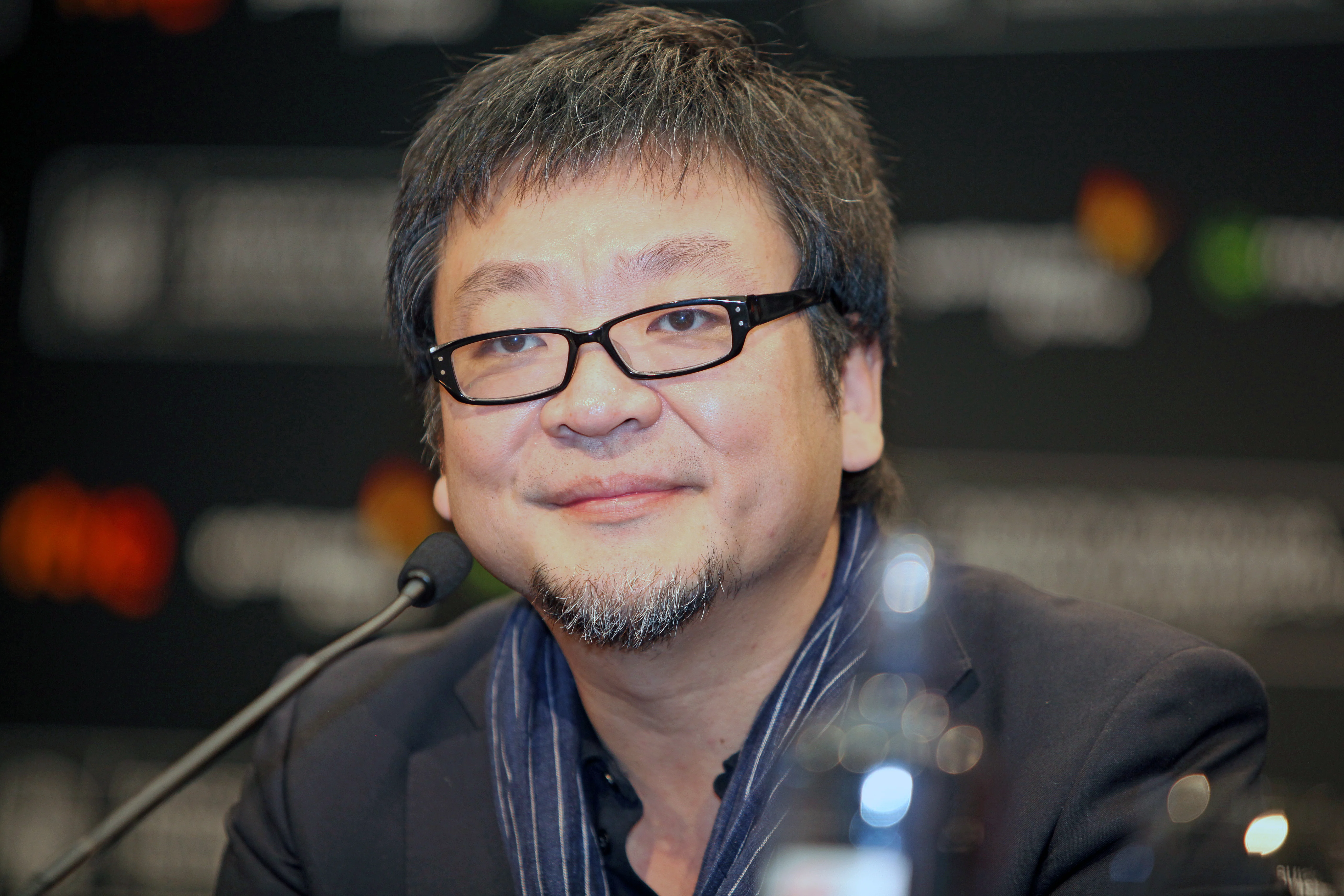
Image from Wikipedia
Image from Wikipedia
Mamoru Hosoda – Visionary Anime Director between Family Epic, Digital Aesthetics, and Modern Mythopoetics
How Mamoru Hosoda Renewed Storytelling in Animated Film – From Digimon to Grand Cinematic Poetry
The Japanese director and animator Mamoru Hosoda has significantly influenced the international perception of anime, transcending genre boundaries through his career in cinema – his presence as an author-director in the animation medium. Born on September 19, 1967, in Kamiichi (Toyama Prefecture), his artistic development took him from Toei Animation to Madhouse and eventually to the founding of his own studio, Chizu. His films intertwine family stories with virtual worlds, coming-of-age narratives with science fiction, and intimate character compositions with large-scale world-building. Since “The Girl Who Leapt Through Time” (2006) and “Summer Wars” (2009), Hosoda has been regarded as a trendsetter in a narrative style that marries digital culture, everyday drama, and poetic fantasy into a distinctive arrangement.
Biography: Education, Early Years, and First Directing Experiences
After studying at the Kanazawa College of Art, Hosoda joined Toei Animation in 1991, where he learned the craft of direction, storyboarding, and visual language, working his way up through the animation department to directing. With the early “Digimon” short films and TV episodes, he experimented with rhythm, editing, and comedic timing while also crafting emotional arcs that would later define his feature films. Between 2005 and 2011, he played a crucial role as a director at Madhouse in opening the studio's stylistic doors to auteur cinema in anime. In 2011, he co-founded Studio Chizu with producer Yuichiro Saito – a pivotal step toward artistic self-determination and the continuous production of independent feature films. This development is reflected in Studio Chizu profiles, which emphasize the auteuristic aspirations of the studio. ([en.wikipedia.org](https://en.wikipedia.org/wiki/Mamoru_Hosoda?utm_source=openai))
Career Path: From Franchise to Auteur Cinema
Hosoda achieved breakthrough success with “The Girl Who Leapt Through Time” (2006), a graceful blend of time travel, teenage psychology, and subtle melancholy. “Summer Wars” (2009) shifted this sensibility into the digital realm: the virtual network OZ serves as a dramatic orchestra, where identity, family, and technology collide. With “Wolf Children” (2012) and “The Boy and the Beast” (2015), he refined his signature style – dynamic mise-en-scène, precise character design, and sensitive sound dramaturgy – culminating in family epics that intertwine the mundane and the mythical. The international breakthrough came with “Mirai” (2018): an Oscar nomination for Best Animated Feature, Annie Award success, and festival presence firmly established Hosoda in the canon of modern animated film. “Belle” (2021) further combined pop iconography, internet aesthetics, and trauma narratives into an audiovisual celebration of the digital as a space of resonance. ([en.wikipedia.org](https://en.wikipedia.org/wiki/Mamoru_Hosoda?utm_source=openai))
Current Projects: “Scarlet” – A Time and Revenge Fantasy between Shakespeare and Science Fiction
With “Scarlet” (2025), Hosoda returned to Studio Chizu and conceived a time and space travel narrative of a princess searching for truth and justice, inspired by themes from “Hamlet.” The film premiered out of competition at the Venice Film Festival in September 2025; its theatrical release in Japan was on November 21, 2025. In North America, Sony Pictures Classics handles the distribution – with an awards-qualifying run at the end of 2025 and a wider release on February 6, 2026. Studio Chizu also announced nominations at the 53rd Annie Awards (including Best Feature – Independent, Best Direction, Best Writing) – further evidence of Hosoda's enduring authority in the international animation field. ([en.wikipedia.org](https://en.wikipedia.org/wiki/Scarlet_%282025_film%29?utm_source=openai))
Filmography (Selection) – From Apprenticeship to Mastery
– The Girl Who Leapt Through Time (2006): Coming-of-age drama with time travel mechanics, notable for its economical scene composition and subtle romantic undertones.
– Summer Wars (2009): Family epic meets network thriller; an orchestrated collective piece with virtuoso visualization of the digital space OZ.
– Wolf Children (2012): Empathetic family drama about identity, care, and self-determination, characterized by nature imagery and seasonal rhythms.
– The Boy and the Beast (2015): Mentor-student parable with powerful action arrangements and organic music dramaturgy.
– Mirai (2018): Exploration of time and memory in the microcosm of a young family; widely nominated and awarded internationally.
– Belle (2021): A pop opera about avatars, internet fame, and healing – a vibrant sound-image composition of modern pop and cyber aesthetics.
– Scarlet (2025): Shakespearean revenge fantasy with time transcendence, Studio Chizu in collaboration with international partners. ([en.wikipedia.org](https://en.wikipedia.org/wiki/Mamoru_Hosoda?utm_source=openai))
Style, Genre, and Musical/Sonic Design
Hosoda's directorial signature blends classic character acting with digital space dramaturgy: editing and movement create emotional crescendos while production design and color dramaturgy translate his themes – family, identity, community – into visual motifs. In “Summer Wars,” the interface aesthetics of OZ form a choreographed stage that rhythmically integrates collective actions and social networks both musically and visually. “Belle” expands this digital poetics with pop iconography: vocals, choral arrangements, and electronic textures become part of world-building – film and music merge into an immersive performance. “Mirai” operates more subtly: employing acoustic signatures that, like motifs, open spaces for memory. This artistic development exemplifies contemporary anime cinema, which grounds high-concept ideas in the everyday lives of the characters. ([theguardian.com](https://www.theguardian.com/film/2025/jul/28/summer-wars-review-mamoru-hosodas-birthday-party-anime-puts-the-world-at-risk-from-ai-baddie?utm_source=openai))
Critical Reception and Awards
“Mirai” was nominated for an Oscar for Best Animated Feature in 2019 and won the Annie Award for Best Animated Independent Feature – a milestone for Studio Chizu and Hosoda as an auteur filmmaker. “Belle” celebrated a triumphant premiere at Cannes in 2021, receiving a lengthy standing ovation and acclaim in leading publications for its visual refinement and emotional sensitivity. “Summer Wars” is now regarded as a far-sighted study of digital infrastructure, social capital, and community ethos – its return to theaters emphasizes the film's lasting relevance. “Scarlet” follows suit and is already being honored with Annie nominations. This track record grants Hosoda international authority – not only as a director but as a storyteller of the present. ([imdb.com](https://www.imdb.com/title/tt6900448/awards/?utm_source=openai))
Cultural Influence: Family, Community, and the Digital as a Resonance Space
At the center of Hosoda's work is the family as a living organism – an ensemble of generations that redefines agency in times of crisis. At the same time, he sees the internet not as a threat but as a stage for collective intelligence and empathy. This dual focus makes his films relevant for discussions about care, diversity, and digital literacy. The character design, timing of his dialogues, and the dense yet transparent production of visual spaces create an accessibility that resonates with audiences globally – from festival venues to mainstream cinemas. In this way, Hosoda defines a narrative tradition that transforms Japanese animation history, pop culture, and contemporary global issues into a new cartography of animated films. ([en.wikipedia.org](https://en.wikipedia.org/wiki/Mamoru_Hosoda?utm_source=openai))
Working Methods and Production: Studio Chizu as an “Auteur Studio”
With Studio Chizu, Hosoda established a production infrastructure that closely intertwines artistic development with production decisions: thematic and motif work, casting, visual composition, sound design, and marketing interact seamlessly. The studio explicitly describes itself as a place where Hosoda's film philosophy – cinema as a public park – is lived out. This concept explains the consistent quality of his filmography and the characteristic blend of intimacy and spectacle. The ongoing collaboration with producer Yuichiro Saito and international distribution and festival partners enhances global visibility – from Oscar and Annie nominations to Cannes premieres. ([studiochizu.com](https://studiochizu.com/studio/?utm_source=openai))
Discography in a Metaphorical Sense: Scores, Sound Colors, Leitmotifs
Even though Hosoda is not a musician in the strict sense, the acoustic level of his films functions like a curated discography: themes are underscored by recurring motifs, electronic textures mark digital spaces, and acoustic instrumentation accompanies familial intimacy. This production of sound, closely coordinated with editing and visual rhythm, gives his works a distinctive sonic signature – from the anthemic pop design in “Belle” to the quiet time travel poetry in “Mirai.” Critical reception and festival resonance indicate that this sonic precision contributes significantly to the emotional impact of his films. ([en.wikipedia.org](https://en.wikipedia.org/wiki/Belle_%282021_film%29?utm_source=openai))
Conclusion: Why Mamoru Hosoda Must Be Seen Today
Mamoru Hosoda combines artistic experience with expertise and narrative boldness: family stories become cinematic scores, digital spheres become palpable spaces. His films open up the present – for grief, hope, community, and self-empowerment. Those who understand modern anime experience at Hosoda's works the school of seeing: precise composition, empathetic character work, productive friction between tradition and innovation. Recommendation: Watch Hosoda's films on the big screen – “Scarlet” marks the next opportunity to experience this stage presence live in theaters. ([en.wikipedia.org](https://en.wikipedia.org/wiki/Scarlet_%282025_film%29?utm_source=openai))
Official Channels of Mamoru Hosoda:
- Instagram: No official profile found
- Facebook: No official profile found
- YouTube: No official profile found
- Spotify: No official profile found
- TikTok: No official profile found
Sources:
- Studio Chizu – Official Website
- Studio Chizu – Studio/People (Hosoda Profile & Philosophy)
- Wikipedia (EN) – Mamoru Hosoda
- Wikipedia (EN) – Belle (Cannes Reception)
- GKIDS – Mirai: Oscar Nomination (Press Release)
- Animation World Network – Oscar Nominations 2019
- The Guardian – Summer Wars (Retrospective/Review, 2025)
- Wikipedia (EN) – Scarlet (2025)
- Wikipedia: Image and Text Source
Upcoming Events
Scarlet
MAM Concert in the Cultural Garden
MAM in the Cultural Garden 2026
Cultural Garden | MAM
MAM - BAP-Tribute-Band