
Lisa Fitz
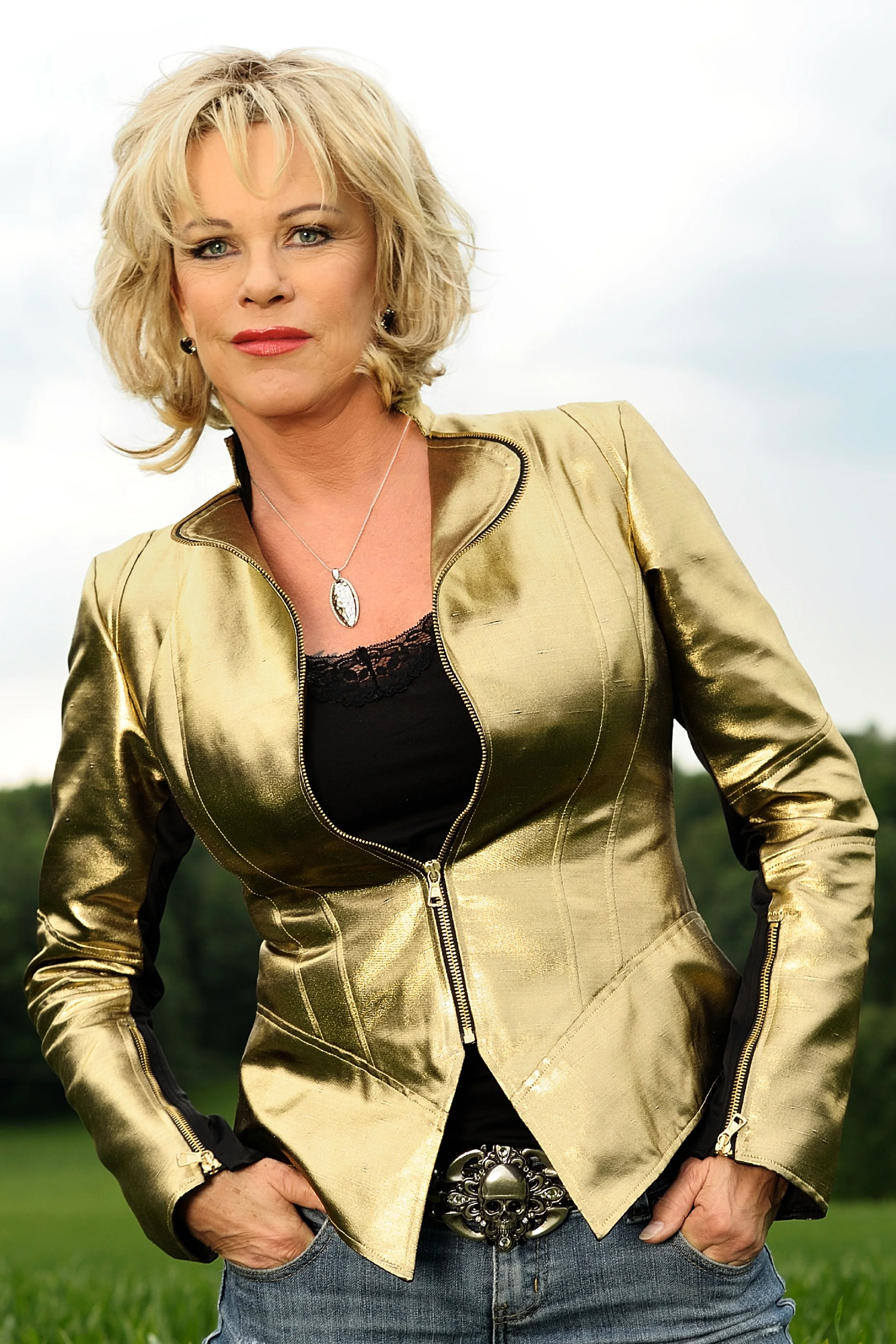
Image from Wikipedia
Image from Wikipedia
Lisa Fitz – Cabaret Icon, Actress, Singer: A Defining Voice of German-Language Stage Cabaret
Between Chanson, Satire, and Acting: Why Lisa Fitz Has Set Standards for Decades
Lisa Fitz, born on September 15, 1951, in Zurich, is one of the defining artists of German-language cabaret. Growing up in Krailling near Munich, she comes from the Bavarian artistic family Fitz and early combined music, acting, and literary satire into a distinctive stage signature. Her journey led from early television successes in the 1970s through theater and film roles to solo performances that have had a lasting impact on the German-language cabaret scene. Today, she captivates with her stage presence, musicality, and clear stance – remaining a "long-running" performer in cabaret who enchants generations of audiences. ([de.wikipedia.org](https://de.wikipedia.org/wiki/Lisa_Fitz))
Biographical Roots: Artistic Family, Education, First Steps
Lisa Fitz's artistic development is rooted in a family where music, theater, and literature were part of everyday life. After receiving thorough training at the Zerboni Acting School (1969-1972), she gained stage experience as a singer and songwriter; early songs like "I bin bled" (1972) or "Mein Mann ist Perser" (1981) already showcase the mix of humor, bite, and poetic realism that would later characterize her cabaret. Concurrently, she established herself as a television personality, hosting the "Bayerische Hitparade" in 1972 and "Musik aus Studio B" in 1975 – experiences that sharpened her stage presence and helped her develop a sense of timing, audience closeness, and ironic focus. ([de.wikipedia.org](https://de.wikipedia.org/wiki/Lisa_Fitz))
Breakthrough in Solo Cabaret: The First Woman with Her Own Texts
1983 marks a turning point: Fitz performs with her own solo programs – as the first woman in Germany to consistently present a solo show featuring her self-written texts. In doing so, she makes a statement in a male-dominated scene and shifts expectations regarding women’s roles on stage. Programs like "Die heilige Hur’," "Ladyboss," "Geld macht geil," or "Kruzifix" blend chanson, political cabaret, societal satire, and sharp observations of everyday life; over 4,500 performances in German-speaking regions document the resonance. This musical career at the intersection of chanson, spoken word, and cabaret has made Lisa Fitz a reference point for an entire generation of younger female artists. ([de.wikipedia.org](https://de.wikipedia.org/wiki/Lisa_Fitz))
Acting and Media Presence: Roles, Hosting, Festival Stages
In addition to her solo performances, Fitz expands her repertoire into acting and television. Her theater work – including collaborations with Franz Xaver Kroetz – and roles in film and television productions showcase her versatility between serious tones and satirical focus. In the 2000s, she hosted programs such as "SR-Gesellschaftsabend" and appeared at renowned cabaret events. Her stage presence remains unmistakable: the ability to compose speech rhythms, facial expressions, and timing in such a way that punchline, melody, and stance interlink – an artistic development that combines both comedic precision and narrative depth. ([de.wikipedia.org](https://de.wikipedia.org/wiki/Lisa_Fitz))
Awards and Recognition: Authority Through Work and Impact
The list of awards underscores Fitz's authority in the German-speaking cultural sphere: from the Deutscher Kleinkunstpreis (1990) to the Bayerischen Kabarettpreis (Honorary Award 2015) and the Bayerischen Verdienstorden (2019). Such honors reflect the continuity of an artistic career that has maintained quality, relevance, and resonance over decades. Critiques from regional and national press highlight her energy, stage presence, and clear engagement with political and social issues – a combination of expertise and experience that positions Fitz as an authority in the genre. ([de.wikipedia.org](https://de.wikipedia.org/wiki/Lisa_Fitz))
Discography and Sound Aesthetics: From Satirical Chansons to Live Documents
Lisa Fitz's discography tells the story of an artist who consistently intertwines content and sound dramaturgy. From early songs of the 1970s to album highlights like "Die heilige Hur’" (1983), "Ladyboss" (1987), "Geld macht geil" (1990), and "Kruzifix" (2000), the spectrum ranges from classically instrumented chansons to rock-arranged pieces and programmatic live recordings. The anniversary compilation "Fitz Hits" (2015) curates creative phases and demonstrates how Fitz uses musical forms – composition, arrangement, production – as dramaturgical tools for cabaret. A part of the catalog is digitally available on platforms like Apple Music, ensuring reach for a new audience. ([de.wikipedia.org](https://de.wikipedia.org/wiki/Lisa_Fitz))
Style and Signature: Word Music, Stance, Economy of Punchlines
Her style thrives on word music: lines with chains of alliteration, internal rhymes, and rhythmically placed pauses create a pull that connects to chanson traditions while simultaneously updating political cabaret. In a live situation, guitar, voice, and text become a unity that flexibly reflects the transitions between narrative passages, comedic density, and musical punchlines. Content-wise, Fitz addresses recurring topoi – power, media, morality, and gender representations – testing the friction between personal experience and public debate. This artistic development has socialized an audience that understands cabaret not as a string of jokes but as aesthetically composed art of stance. ([lisa-fitz.de](https://www.lisa-fitz.de/))
Controversies and Discourse: Artistic Freedom, Critique, and Corrections
Part of the truth of her public image is that Fitz's works and performances triggered controversies in the 2010s and 2020s. Individual texts and songs were critically addressed in mainstream media; Fitz positioned herself in statements and interviews, correcting, clarifying, and contradicting. This tension field shows the democratic potential of cabaret: thesis, antithesis, and engagement with evidence. Fitz's handling of this – from public classification to debate over sources – illustrates the interplay of artistic risk, audience reaction, and journalistic scrutiny. ([abendzeitung-muenchen.de](https://www.abendzeitung-muenchen.de/promis/lisa-fitz-veroeffentlicht-youtube-video-mit-verschwoerungstheorien-art-431277?utm_source=openai))
Current Programs and Projects: "Avanti Dilettanti," New Songs, Packed Audiences
Even beyond the anniversary, Fitz remains productive. With the program "Avanti Dilettanti," she toured through numerous venues and festivals in 2024 and 2025, often performing to sold-out audiences. Press reports commend the smart mix of political engagement, wit, and musical interludes; individual songs – such as "Der Journalist" (Premiere 2023) – condense themes into pointed miniatures. This continuous stage work documents her experience in live performance: precision in timing, dramaturgically set arcs, and the interplay of proximity, attack, and humor. ([lisa-fitz.de](https://www.lisa-fitz.de/))
Classification and Influence: Bridges Between Cabaret, Chanson, and Popular Culture
Historically, Fitz acts as an artist who connects cabaret with elements of singer-songwriting, chanson, and popular culture. Her work stands in the tradition of political satire of the Federal Republic, but integrates a distinctly female perspective – in theme selection, tone, and character development. Thus, she shapes the genre as a living archive of societal moods, where comedy and critique coexist. The fact that many of her program titles have entered popular culture demonstrates the cultural reach and the connection to discourses beyond the small art scene. ([de.wikipedia.org](https://de.wikipedia.org/wiki/Lisa_Fitz))
Voices of Fans
The reactions of fans clearly demonstrate: Lisa Fitz fascinates people worldwide. One YouTube comment reads: "One of the most honest stage evenings I've ever experienced – humor with conviction!" Another writes: "This voice, these lyrics: satire that can hurt but still uplifts." Such feedback reflects how strong the connection between music, text, and performance is with Fitz – and why her evenings resonate long after. ([youtube.com](https://www.youtube.com/channel/UC_D9GePzN3FqMPKdoAL1Jsw))
Conclusion: Why You Should Experience Lisa Fitz Live
Anyone wanting to understand how political cabaret can function today should look to Lisa Fitz, a master of her craft: expertise in handling language and music, authority from decades of stage experience, trust in the audience and their appetite for contradiction. Her evenings are dramaturgically composed like good albums – with overtones, counter-rhythms, and a tonality that modulates between tenderness and anger. Especially in times of rapid outrage, Fitz reminds us that artistic development requires courage, research, and precision – and that laughter remains a form of critical intelligence. Recommendation: go, listen, engage in thought – and smile contentedly.
Official Channels of Lisa Fitz:
- Instagram: No official profile found
- Facebook: No official profile found
- YouTube: https://www.youtube.com/channel/UC_D9GePzN3FqMPKdoAL1Jsw
- Spotify: No official profile found
- TikTok: No official profile found
Sources:
- Lisa Fitz – Official Website
- Lisa Fitz – Videos (YouTube References)
- Wikipedia – Lisa Fitz
- Badische Zeitung – Interview/Portrait
- FAZ – Report and Classification (2021)
- Apple Music – Artist Profile Lisa Fitz
- ZYX Music – Fitz Hits (Product Page)
- Lisa Fitz – Dates 2024 (Archive/Overview)
- Wikipedia: Image and Text Source
Upcoming Events
Lisa Fitz: Avanti Dilettanti!