
Dirk Zöllner
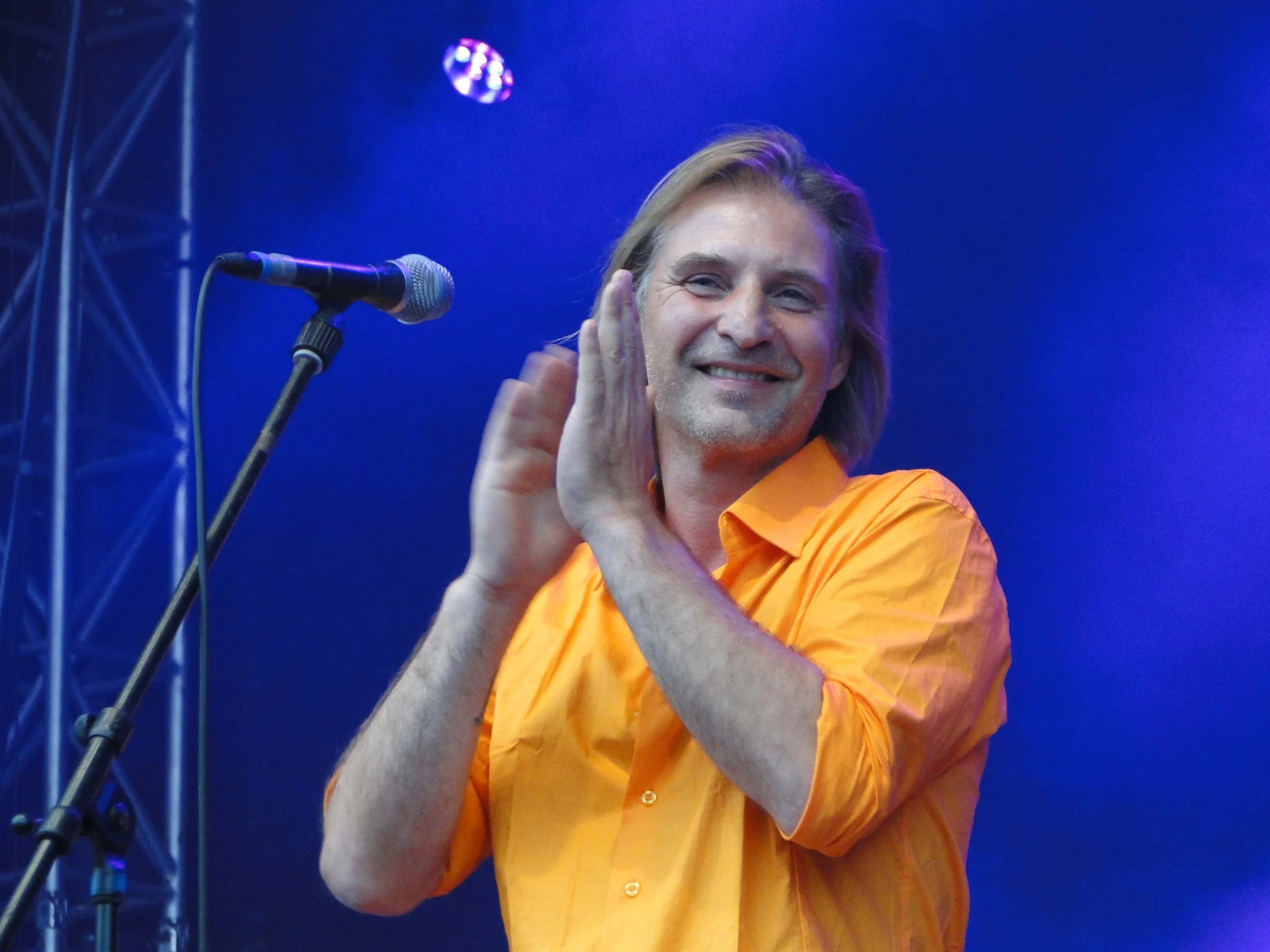
Image from Wikipedia
Image from Wikipedia
Dirk Zöllner – Singer, Songwriter, and Stage Performer Bridging Soul, Funk, and German Rock History
A Voice that Connects East and West – The Artistic Journey of Dirk Zöllner
Dirk Zöllner, born on June 13, 1962, in East Berlin, has been shaping the German-speaking pop and rock landscape since the 1980s. As a singer, lyricist, composer, and musical performer, he has established an independent music career characterized by a distinctive voice, strong stage presence, and consistent artistic development. From his funk and soul roots in the GDR to his breakthrough with the big band Die Zöllner and various solo and collaboration projects, Zöllner exhibits a body of work that combines stylistic curiosity with cultural relevance.
His discography documents this versatility: studio albums with Die Zöllner, solo paths that traverse pop, soul, and crossover, collaborations with jazz and art rock scenes, and recent projects that reinterpret classics and bring them into the present. Reviews praise Zöllner's emotional intensity, his sensitivity in arrangement and production, and his ability to merge grand brass sounds, grooving rhythm sections, and sensitive ballads into a unique sonic language.
Biography and Early Years: From Chicorée to Die Zöllner
In East Berlin, Zöllner founded the funk-rock-soul formation Chicorée in 1984. The song Käfer auf’m Blatt – composed and sung by him – became the band's signature song and marked the first phase of his professional songwriting. The chapter of Chicorée ended in 1987; Zöllner continued to seek artistic expression and, together with keyboardist André Gensicke, created the duo, which soon became the big band Die Zöllner. With a mix of funk, soul, and German-language art pop, the band quickly made its mark in the GDR charts and in live performances.
A seminal moment in his stage career was the performance on June 16, 1988, at the Beat Apartheid festival at the Berlin-Weißensee cycling track – as the opening act for the "Godfather of Soul," James Brown. The transition to a larger ensemble, the distinctive Zöllner horns, and the energetic live aesthetic became hallmarks. In 1989, Die Zöllner were celebrated in the GDR as the last newcomer band of the country – a transitional moment that directly led the band into the time of upheaval.
Transitions, Breakthroughs, and Powerful Stage Presence after 1989
Shortly after the fall of the Berlin Wall, new opportunities opened up: Die Zöllner expanded their activities into the West, gaining recognition at festivals, television appearances, and a loyal fanbase. The legendary "Concert for Germany" on November 11, 1989, as well as Rockpalast gigs in the 1990s, are among the prominent highlights of their live history. By 1997, the band had released six albums and performed over 800 concerts – an impressive record demonstrating Zöllner's persistence and professionalism on stage.
With Good Bye, Cherie, the first, larger band phase concluded in 1997. This was followed by solo steps, new projects, and the courage to redefine sound aesthetics. During this period, Zöllner's qualities as a lyricist and arranger further developed: he incorporated diverse impulses while remaining true to the vocal signature and narrative style of his songs.
Solo Projects, Crossover, and Musical: Diversity as an Artistic Principle
In the late 1990s, Zöllner launched his first solo project while simultaneously exploring musical boundaries. The crossover collective Zonaluna showcased experimental spirit and new sound architectures, while collaborations like die DreiHIGHligen revealed further facets of his songwriting. In musical theater from the mid-2000s onwards, Zöllner made impressive contributions – such as portraying Jesus in Andrew Lloyd Webber's rock opera Jesus Christ Superstar. This role demanded not only vocal prowess but also mastery of phrasing, dynamics, and dramatic presence.
The 2010s brought a productive return to the hallmarks of Die Zöllner and bold studio work. The album Dirk & das Glück (2017) exclusively featured musical settings of texts by the poet Werner Karma – a challenging compositional and production achievement that highlighted Zöllner's sense for rhythm, melodic singing, and artistry in arrangement.
Renaissance with the Band, New Albums, and the Art of Ballads
Alongside the band renaissance, Zöllner demonstrated his love for vocals, brass, and narrative songs. In the 2020s, projects emerged with chamber music tones and crossover repertoire. With Zoellner Classics (2024), he explored classical and song-like colors in a trio setting with Trio Bravo+ – an enticing expansion of his repertoire that placed his vocal delivery into a more intimate, "classically" inspired sound landscape.
A particular focus in recent years has been "Die schönsten Balladen aus dem Land vor unserer Zeit," a cross-band project with Manuel Schmid (Stern-Combo Meißen), saxophonist/arranger Marek Arnold, and André Gensicke. Following initial concerts in 2024, an extensive tour is planned for 2025/2026, along with two albums – including a second part in January 2026. The project brings together newly arranged ballads from the East German repertoire, spanning from Veronika Fischer, Karat, and Silly to Renft – stylishly curated, textually faithful, and sonically translated into the present.
Discography and Chart Moments: From Funk Energy to Poetic Maturity
The discography reflects Zöllner's range from funk and soul euphoria to pop-rock and crossover. Die Zöllner shaped the 1990s with six albums, radio-friendly singles, and a dense touring activity; Good Bye, Cherie (1997) marked the conclusion of the first band phase. After solo and side projects, a comeback of the band aesthetics followed, along with new live programs and projects with varying lineups – from grand big band sounds to the “Duo Infernale” with Gensicke.
In the current era, releases such as Portugal (2023), Zoellner Classics (2024), and the ballads albums (2025/2026) represent both continuity and renewal. Media and community resonance – as shown in public surveys by the music platform Deutsche Mugge – indicate that Zöllner's output continues to be strongly perceived by fans and connoisseurs. The combination of a distinctive voice, mature songwriting, and sensitive arrangements remains his hallmark.
Style, Voice, and Production: What Defines the Zöllner Universe
Zöllner's singing combines the intensity of soul with articulated, text-driven diction. His timbre carries the song without overshadowing the ensemble dynamics – ideal for brass arrangements, call-and-response moments, and dynamic build-ups. In the studio, he works with a clear sound dramaturgy: dense, groove-based rhythms, warm brass sections, guitar, and keyboard layering that leaves space for the lyrics. Compositional techniques include catchy hook lines, modal shifts, and harmonic turns from the soul/pop vocabulary, which he balances with German-language lyrics.
In ballads, his mastery is revealed in subtlety: delicate phrasing, flexible vibrato control, and careful articulation of syllables. Unlike pure retro soul, Zöllner conceives cinematic arrangements that emphasize the narrative moments of the lyrics – an approach that keeps his productions contemporary and relatable without overindulging in fashionable effects.
Cultural Influence and Significance: The Movement of East German Music History
Dirk Zöllner is one of the defining voices of East German pop after 1989. His songs and band aesthetics represent a generation that merged funk, soul, and German-language rock poetry – with attitude, humor, and pathos. Performances at key historical moments, extensive touring, and the maintenance of a repertoire that honors traditions while creating new works establish him as a cultural actor who connects memory, the present, and joy of performance.
With projects like "Balladen aus dem Land vor unserer Zeit," he preserves musical heritage without sounding outdated. The new arrangements function as a bridge: they show how strongly the lyrics and melodies from the GDR/East Rock era resonate to this day – and how a modern production approach can unveil these treasures to a new audience.
Live Era 2024–2026: Stage Presence, Collaborations, Touring Power
The years 2024 to 2026 are marked by Zöllner's active live performance. With the infernal trio setting and formats like "Betreutes Musizieren," he is building an intimate, directly communicative concert format that unveils the essence of his songs. Simultaneously, he presents a curated program with the ballad ensemble that works equally well in concert halls and club settings – supported by arrangements that bring the audience close to the text and voice.
Dates in theaters, clubs, and cultural centers underscore the ongoing support. Sold-out evenings, additional shows, and positive concert reviews demonstrate that Zöllner's stage presence has lost none of its appeal. This continuity is the result of a sustainable music career, a resilient fan base, and an artistic development that has never stood still.
Conclusion: Why Dirk Zöllner Sounds More Important Today Than Ever
Dirk Zöllner embodies a rare mix of vocal strength, lyrical intelligence, and stylistic openness. His discography reflects a courage to embrace change, while his live performances exhibit dedication and empathy. Those who wish to experience the dialogue of German-speaking music history with soul, funk, and great ballad art cannot overlook Zöllner's work. He makes the past audible without nostalgia; he articulates the present without succumbing to trends – and remains, above all, a musician in the best sense: committed to the song, the band, and the audience.
Recommendation: Experience Dirk Zöllner live. The stage energy, the closeness to the audience, and the thoughtfully constructed arrangements unfold particularly strongly in concert – from the grooving brass sections to the subtle magic of ballads.
Official Channels of Dirk Zöllner:
- Instagram: No official profile found
- Facebook: No official profile found
- YouTube: No official profile found
- Spotify: No official profile found
- TikTok: No official profile found
Sources:
- ZÖLLNER – Official Website
- BuschFunk Music Publishing – Artist Page Dirk Zöllner
- Apple Music – Zoellner Classics (2024)
- Wikipedia – Dirk Zöllner
- Wikipedia – Chicorée (Band)
- Wikipedia – Die schönsten Balladen aus dem Land vor unserer Zeit
- Freie Presse – Concert Report on the Ballad Project (2026)
- Deutsche Mugge – Interview/Portrait (2024)
- Federal Foundation for Reappraisal – Biographical Database: Dirk Zöllner
- rockradio.de – Chronology/Info on Die Zöllner
Upcoming Events
Graphic Novel Reading with Dirk Zöllner & Jörg Menge
Dirk Zöllner & Co. Machandeltal – The Reading Concert
Dirk Zöllner & Julian Wolf – Guided Music (sold out) – Schwerin
Julian Wolf & Dirk Zöllner – Supported Music
Dirk Zöllner & Co. – The Reading Concert
Dirk Zöllner & Manuel Schmid: Ballad Evening in Gera