
Black (Musiker)
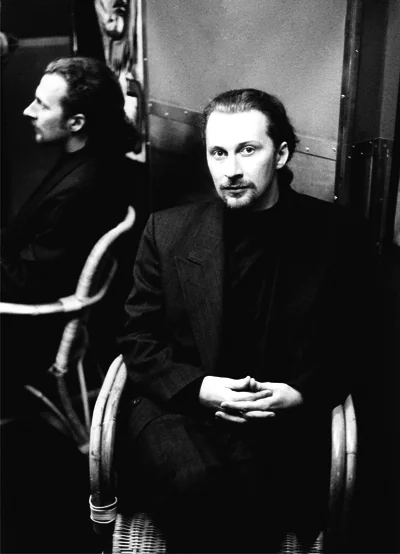
Image from Wikipedia
Image from Wikipedia
Black (Colin Vearncombe): The Gentle Melancholic Behind "Wonderful Life"
An Artist Portrait About Voice, Songs, and a Music Career That Quietly Achieved World Fame
Black, born Colin Vearncombe on May 26, 1962, in Liverpool, passed away on January 26, 2016, in Cork. As a songwriter, singer, and style-conscious arranger, he characterized the 1980s with his distinctive, slightly raspy baritone voice and a soundscape blending pop, new wave, and sophisti-pop. His international breakthrough came with "Wonderful Life," a minor key miniature that perfectly balances world-weariness and hope. This portrait traces his artistic development—from early singles through major chart moments to late masterpieces and posthumous projects—and situates Black's work both musically and culturally.
Biography: From Liverpool to the World – The Music Career of a Fine Artist
Early on influenced by Liverpool's music scene, Vearncombe began releasing music under the name Black in the early 1980s. After initial singles and changing line-ups, the international breakthrough was imminent in 1987: "Sweetest Smile" climbed into the top ten in the UK, paving the way for a re-release of "Wonderful Life," which gained worldwide acclaim. Although later releases did not reach the commercial height of this moment, Black remained a consistent, independent artist with a distinctive stage presence and a clear artistic signature. His career showcases the rare interplay of poetic language, refined arrangements, and a voice that prioritizes intimacy over volume. Sources emphasize that the debut album "Wonderful Life" reached No. 3 in the UK and sold strongly internationally, indicating the broad resonance of his music beyond short-term trends. (theguardian.com)
The Breakthrough: "Sweetest Smile" and "Wonderful Life"
"Sweetest Smile" (1987) was Black's first major UK hit single – a quiet statement of vulnerability that appeared like a black-and-white film in a pop landscape full of bright colors. Shortly thereafter, "Wonderful Life" was re-released and achieved top-10 placements across Europe. Both songs combine understated production, soft synthesizer textures, fretless bass, and the signature smoky voice into a form of pop that whispers more than it declaims. "Wonderful Life" remains a cornerstone of the 1980s – a melancholic anthem that charted highly in numerous countries. Music critics note how the irony of the lyrics—written during a personal crisis—gives the song its power, and how the black-and-white imagery of the video perfects its aesthetics. (en.wikipedia.org)
Discography: Albums, Singles, Stages of Artistic Development
The debut album "Wonderful Life" (1987) anchored Black in the canon of British pop music of the late '80s: elegant compositions, nuanced production, and a voice that oscillates between distance and closeness. This was followed by other studio albums, such as "Comedy" (1988) and "Black" (1991), which continued the melodic signature even if they did not connect with the chart sensations. Later, Vearncombe worked increasingly independently through his label Nero Schwarz, releasing, among others, "Between Two Churches" (2005), "The Given" (2009), "Water on Stone" (2009), the retrospective "Any Colour You Like" (2011), and the late, critically acclaimed "Blind Faith" (2015). Bandcamp and label releases document the range: acoustic live recordings, intimate song collections, EPs that showcase Black's songwriting in concentrated form. This discography reflects a continuous artistic development—far from format radio, close to voice, text, and arrangement. (en.wikipedia.org)
Style and Sound: Sophisti-Pop, New Wave, and the Art of Understatement
Musically, Black navigates the fine interface of pop, new wave, and sophisti-pop. His compositions thrive on harmonic shifts in minor keys, elegant bass lines, and sparingly used brass or saxophone colors. The production emphasizes economy: no overloaded textures but transparent arrangements where the voice breathes. Critics have placed his timbre between Bryan Ferry and Morrissey—a fitting shorthand for the blend of crooner nobility and British sensitivity. At the same time, his lyrics come across as literary, often introspective, yet never pretentious: a songwriting that gained maturity over the years and always sought a balance of melody and text. (en.wikipedia.org)
Live, Presence, and Production: Experience on Stage, Authority in the Studio
Black's stage presence thrived on intimacy: smaller venues, reduced setups, where dynamics arise from silence, timing, and text. From a studio perspective, he remained a detail-oriented arranger who prioritized sonic space over flashy effects in collaborations – such as with Dave "Dix" Dickie or producer Robin Millar. The late work "Blind Faith" received excellent reviews shortly before his death; it confirms how much Vearncombe honed his sound language until the end and maintained a mature balance in his songwriting. In retrospect, his production aesthetic appears remarkably timeless: minimalist elegance that still resonates in today’s playlist culture. (theguardian.com)
Career Arcs and Milestones: Charts, Cultural Impact, Canon
"Sweetest Smile" reached the top ten in the UK in 1987 and triggered the global success of "Wonderful Life." The latter became a top-10 hit in numerous European countries, remained present in advertising and daily life as a soundtrack, and is considered one of the iconic songs of the 1980s. The album "Wonderful Life" positioned itself in the album charts of several countries, marking Black's biggest market success, whose cultural half-life remains palpable today. Beyond the hits, Vearncombe left a body of work that influences quiet-voiced singer-songwriters—a catalog that is kept alive through reissues, live recordings, and curated editions. (en.wikipedia.org)
Later Phase and Legacy: Independence, Collaborations, and "Blind Faith"
From the 2000s onward, Vearncombe worked more independently and used his label Nero Schwarz for his releases. He collaborated with the likes of Calum MacColl and explored new avenues for album production through crowdfunding—a sign of entrepreneurship and closeness to the community. "Blind Faith" (2015) encapsulated this maturity in songs that feel lyrically focused and musically polished. After his tragic death in a car accident in 2016, label, family, and colleagues carefully continued his legacy: re-releases, live documents, and projects that recontextualize Black's work. (en.wikipedia.org)
Current Projects and Posthumous Honors: "Love, Colin" and Edition Projects
Even years after his death, Black remains present: The official project "Love, Colin" gathers international artists interpreting his compositions—from intimate covers to studio re-imaginings. Additionally, the 321-page volume "Just Making Memories: The Music of Black/Colin Vearncombe" deepens the exploration of Black's musical history, including analyses and images. Such projects underscore the ongoing relevance of his songwriting and document how his music continues to be inscribed in cultural memory. (colinvearncombe.com)
Critical Reception: Between Cult Status and Classic
The music press praised Black as a songwriter of rare sensitivity. Newspapers highlighted the sustainability of "Wonderful Life" following his death, while reviews of "Blind Faith" emphasized the late bloom of his work. The thematic connection of melancholy, clarity, and melodic elegance secured him a place among the defining voices of his era. The fact that "Wonderful Life" – originally born out of personal crisis – continues to provide comfort today explains its status as a transgenerational classic. (the-independent.com)
Voices of the Fans
Fan reactions clearly demonstrate: Black captivates people worldwide. On Facebook, one often reads how "Wonderful Life" has been a companion for decades—as a wedding song, a source of comfort, a soundtrack for quiet moments in life. On Twitter, listeners recall their first encounters with "Sweetest Smile" and share how his voice has carried them through difficult times. Such responses illustrate the special trust relationship between artist and audience—a resonance that extends beyond charts and annual statistics. (pennyblackmusic.co.uk)
Conclusion: Why Black is More Important Today Than Ever
Black's music shows how timeless a clear artistic idea can be. His songs connect literary compression with melodic immediacy, his productions demonstrate that restraint often unleashes the greatest emotional impact. Those who listen to "Wonderful Life" today discover, beneath its seemingly simple surface, a mature composition that masterfully unites instrumental colors and Vearncombe's unmistakable timbre. Those who wish to experience Black's work live will find traces in posthumous projects, tribute concerts, and lovingly curated editions—an invitation to rediscover this voice and measure its quiet horizons.
Official Channels of Black (Colin Vearncombe):
- Instagram: No official profile found
- Facebook: https://www.facebook.com/blackakacolinvearncombe
- YouTube: No official profile found
- Spotify: No official profile found
- TikTok: No official profile found
Sources:
- Colin Vearncombe – Official Website
- Nero Schwarz – Black's Label
- The Guardian – Colin Vearncombe, the voice of Black, dies, 26.01.2016
- The Independent – Obituary: Colin Vearncombe (Black)
- Wikipedia – Black (singer)
- Wikipedia – Wonderful Life (Song)
- Wikipedia – Sweetest Smile
- Bandcamp – Black/Colin Vearncombe Discography (Nero Schwarz)
- Love, Colin – Tribute Project (official website)
- “Just Making Memories” – Bookshop on the official website
- Wikipedia: Image and text source