
Sulzbach-Rosenberg
Luitpoldpl. 4, 92237 Sulzbach-Rosenberg, Deutschland
Small Arts Stage Historical Printing House Seidel | Tickets & Program
The Small Arts Stage Historical Printing House Seidel is one of those places where history is not only preserved but can be experienced directly. Located at Luitpoldplatz 4 in Sulzbach-Rosenberg, the Seidel Hall combines historical printing culture, authentic spatial effect, and a vibrant cultural program today. Those looking for the venue are often not just searching for any event hall, but a special place with character, intimacy, and recognizability. This is exactly what the Historical Printing House Seidel offers: a listed cultural space with a cultivated atmosphere, a fixed place in the cityscape, and a program that ranges from concerts to cabaret, readings, and guided tours. The place is both a piece of Sulzbach-Rosenberg identity and an example of how a historically significant building has become an attractive venue for the present. Its current use as a small arts stage directly connects to the history of printing and publishing, making the visit equally exciting for culture fans, city explorers, and anyone who loves unique stages. ([tourismus.suro.city](https://tourismus.suro.city/historische-druckerei-seidel/))
History of the Historical Printing House Seidel in Sulzbach-Rosenberg
The roots of the Historical Printing House Seidel go back a long way and are inseparably linked to the printing and publishing history of Sulzbach-Rosenberg. The printing hall located at the marketplace, now at Luitpoldplatz 4, was built in 1862 after the publishing house J. E. v. Seidel and its printing company moved from the castle to smaller rooms at the marketplace. Historical sources indicate that the Seidel printing office was already taken over by Johann Esaias von Seidel after the death of the last owner around 1780/85, who further developed the business, established branches, and made the Sulzbacher location a significant part of the regional book and publishing industry. The building of the former printing house is considered to preserve one of the most significant surviving collections of German publishing history and is therefore regarded as extraordinarily important not only locally but also culturally historically. This significance explains why the place is more than just a pretty stage: it is a material testimony to German book and printing history. ([literaturportal-bayern.de](https://www.literaturportal-bayern.de/institutionenlexikon?gkd=16155681-4&task=lpbinstitution.default))
The later history is also closely linked to the upheavals of the time. According to tourist information, the local newspaper was produced in the workshops until World War II; after the war, operations continued only to a limited extent before ceasing in 1976. The hall then fell into a sleeping beauty slumber but was reopened as a cultural space in 2008. In the same year, the Wilhelm Busch story The Cake Dough was discovered in the archive of the Historical Printing House, a find that gained attention far beyond Sulzbach-Rosenberg. The repurposing as a cultural space and since April 2011 as a small arts stage exemplifies how historical substance can be connected with a new cultural function without losing its character. This mixture of monument, publishing archive, workshop history, and vibrant event location is at the core of its appeal. Visitors do not experience a smoothly renovated event building here, but a place with corners, memories, and charisma, whose history can be read in every section of the room. ([tourismus.suro.city](https://tourismus.suro.city/historische-druckerei-seidel/))
Concerts, Cabaret, and Readings in the Seidel Hall
The current profile of the Historical Printing House Seidel is strongly shaped by its diverse event program. The regional plan of Upper Palatinate North emphasizes that since the establishment of the small arts stage in 2011, tens of thousands of guests have experienced concerts, cabaret evenings, theater, readings, historical lectures, guided tours, printing demonstrations, book flea markets, and exhibitions in the inspiring ambiance of a not overly renovated workshop. This breadth makes the hall so interesting: it is not a one-way street for a single genre, but an open cultural space for different formats and target groups. This is also reflected in the current program notes, where music, word art, and cabaret stand side by side, leading to new combinations time and again. The small arts stage thrives on intimacy, acoustics, and a direct connection between artists and the audience. ([ropf.bayern.de](https://www.ropf.bayern.de/mam/service/landes_regionalplanung/dokumente/regionalplan_oberpfalz_nord_6_28_aenderung_soz_kult_infrastruktr_auswertung.pdf))
This is particularly vividly illustrated by the program notes for Carolin No and Maxi Pongratz. Carolin No performed on Friday, September 26, 2025, at 8 PM in the Historical Printing House Seidel; the duo presented songs from the album On & On and focused on dynamics, contrasts, instrumental colors, and many emotions. Maxi Pongratz followed according to the program announcement on Friday, January 9, 2026, at 8 PM with a solo performance in the Historical Printing House Seidel. Both examples clearly show how suitable the place is for intimate, high-quality live evenings. This image is complemented by further names from the current announcements, such as Malia, Franziska Wanninger, BlöZinger, Lisa Wahlandt & Friends, or Martin Kälberer, who cover a wide spectrum from jazz to cabaret to sophisticated song art in the Seidel Hall. So, anyone looking for programs, concerts, or cabaret in Sulzbach-Rosenberg will find not only individual dates here but a genuine cultural address with its own profile. ([onetz.de](https://www.onetz.de/deutschland-welt/sulzbach-rosenberg/band-carolin-no-id5154575.html))
Tickets, Program, and Free Seating
When planning a visit, it is worth paying attention not only to the venue but also to the respective event itself. The Historical Printing House Seidel is regularly listed as a clearly defined cultural venue by the city, ticket providers, and in press reports, but the ticket modalities can vary depending on the artist, format, and date. For Carolin No, tickets were offered in advance through NT Ticket as well as through other advance sales outlets and the ticket hotline; similar notes can be found for other events in the Seidel Hall. NT Ticket also points out free seating at several events, which is important for the character of the house: The hall functions as a lively small arts stage with direct contact between the audience and the stage, not as an anonymous large theater with a rigid block structure. Therefore, those looking for tickets should always check the current event, as program, start time, admission, and price can vary from date to date. This is typical for a place with such diverse usage and even an advantage, as it allows each event to retain its own dynamics. ([onetz.de](https://www.onetz.de/deutschland-welt/sulzbach-rosenberg/band-carolin-no-id5154575.html))
For SEO searches, terms like tickets, program, cabaret, or concerts are particularly important because they accurately reflect actual user interest. People want to know what is currently happening in the Printing House Seidel, when the next event takes place, and how to get tickets. This is also evident in the fact that event pages often specify concrete times, prices, and organizers. In some of the offerings, the city of Sulzbach-Rosenberg or its cultural workshop takes over the organization, underscoring the municipal cultural connection. Practically, this means for visitors: The program is not a static museum object but an ongoing cultural calendar. Those who plan early have better chances for desired dates and attractive seats, especially with well-known artists or smaller formats. At the same time, the Seidel Hall is popular precisely because it remains manageable and does not create the distance of large multipurpose halls. The combination of a historical location, approachable seating, and carefully curated cultural offerings is a strong argument for a visit. ([nt-ticket.de](https://www.nt-ticket.de/kleinkunstbuehne-seidel-saal-in-der-historischen-druckerei-j-e-von-seidel/))
Directions and Parking at Luitpoldplatz 4
The location of the Historical Printing House Seidel is particularly convenient for visitors because it is located in the heart of the old town of Sulzbach-Rosenberg. The official address at Luitpoldplatz 4 makes orientation easy, and the tourist information explicitly locates the hall as the printing hall at the marketplace. Those arriving by car will find several parking options in the immediate vicinity and in the broader old town area, according to the city of Sulzbach-Rosenberg. Particularly important is the underground garage Schlossgarage at Luitpoldplatz with 220 spaces, which is free for the first hour and then charges by the hour. Additionally, the city lists paid short-term parking spaces at Luitpoldplatz as well as further spaces in the surrounding streets. This is a real advantage, especially for evening events, as you park centrally and keep the walk to the venue short. P+R offers at the festival site between Sulzbach and Rosenberg are also indicated if you want to combine your arrival with public transport. ([suro.city](https://www.suro.city/buergerservice/wichtige-informationen/parken/))
For search queries regarding parking, directions, or Luitpoldplatz, it is therefore particularly relevant that the venue is part of a developed old town structure and is not located on an isolated site. This means: Visitors move in a historically dense but well-developed environment, where there are not only short-term parking spaces but also long-term spaces, motorcycle parking, charging spaces for electric vehicles, and barrier-free parking spaces. The city also lists parking spaces in the old town where parking can be done in accordance with the StVO. So, anyone planning an evening at the Seidel Hall should not wait until they arrive to look for options but should check the city's parking information in advance and decide on the underground garage, short-term parking zone, or P+R depending on the time. Especially for sold-out or heavily attended events, the proximity to Luitpoldplatz is a practical plus, as arrival, a stroll through the old town, and the actual cultural evening can be pleasantly combined. Thus, directions are a topic that fits not only pragmatically but also atmospherically with the location. ([suro.city](https://www.suro.city/buergerservice/wichtige-informationen/parken/))
Guided Tours, Equipment, and Special Atmosphere
A significant part of the fascination of the Historical Printing House Seidel lies in its preserved equipment. The building is not a neutral event box but a historical printing hall with visible history. The official tour information points out that the hall was built in 1862, the workshops produced the local newspaper until 1938, the operation declined after the war, and the hall was reopened as a cultural space in 2008. Guided tours are intended for groups of up to 20 people, and upon request, a Heidelberg press can be demonstrated. These elements make the place exciting for culturally and historically interested visitors and school groups. The printing house thus becomes not only an event space but also a place of learning, a place of remembrance, and a showcase of living technology history. Therefore, those looking for guided tours will not find a classic museum tour with much distance but a space where materiality, technology, and culture come together closely. ([suro.city](https://www.suro.city/wp-content/uploads/2020/03/stadtfuehrungen-web.pdf))
The special atmosphere is also enhanced by the fact that the furnishings have deliberately not been completely smoothed out or modernized. The regional plan points this out when it speaks of a not overly renovated workshop. This authenticity is an important SEO and experience factor, as many users today explicitly search for real places with history and character. Additionally, according to tourist information, guided tours can conclude with coffee and cake at Café Minerva upon request, which pleasantly rounds off the visit. For groups and school classes, this creates flexible opportunities to experience the place not only as a stage but as part of a larger cultural context. The discovery of the Wilhelm Busch story The Cake Dough in 2008 also contributes to the aura of the house, as it shows that historical surprises still lie dormant here. So, anyone looking for special features, highlights, or history will find in the Historical Printing House Seidel not only a beautiful ambiance but a genuine narrative that lives from printing art, literature, city history, and contemporary cultural work alike. ([ropf.bayern.de](https://www.ropf.bayern.de/mam/service/landes_regionalplanung/dokumente/regionalplan_oberpfalz_nord_6_28_aenderung_soz_kult_infrastruktr_auswertung.pdf))
Photos, Impressions, and What Visitors Should Know in Advance
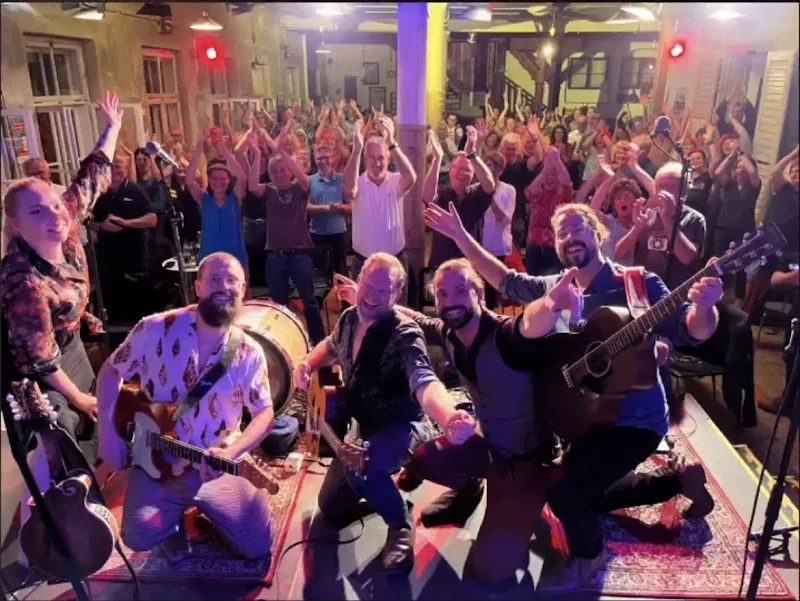
Those looking for photos of the Historical Printing House Seidel before their first visit will quickly encounter different visual worlds: the tourist representation of the building, press photos from tours and events, and image motifs from current event announcements. This variety is important for the appearance of the venue because it shows the hall not just as an empty space but as a lived stage. Public pages often include images of the historical building, the hall, or individual events, and this creates a realistic impression of size, atmosphere, and usage character. For the search intent photos, this means: Not only the object itself is exciting, but also the way it presents itself in the light of concerts, readings, or cabaret evenings. The available image and press sources provide a pretty clear answer: The place is small enough for intimacy and large enough for a full cultural evening. ([tourismus.suro.city](https://tourismus.suro.city/historische-druckerei-seidel/?utm_source=openai))
Before a visit, guests should keep three things in mind. First, there are no regular opening hours for visits; events, exhibitions, or special guided tours are announced according to official information through the daily press or the city website. Second, it is worth reading the respective event notes carefully, as start times, admission, advance sales, free seating, or prices can vary depending on the date. Third, the location in the old town area is an advantage, but also a reminder that the parking situation, like in any inner-city cultural venue, should be checked in advance. This mixture of practical planning and historical atmosphere makes the location so interesting for visitors who are not just looking for any ticket address but a place with history, style, and cultural depth. This is exactly what the Historical Printing House Seidel stands for: for music, language, memory, and an evening that feels distinctly different from an ordinary event visit. ([suro.city](https://www.suro.city/wp-content/uploads/2020/03/stadtfuehrungen-web.pdf))
Sources:
- Tourist Information Sulzbach-Rosenberg - Historical Printing House Seidel
- City of Sulzbach-Rosenberg - Parking
- Literature Portal Bavaria - Historical Printing House J. E. von Seidel
- NT-Ticket - Small Arts Stage Seidel Hall in the Historical Printing House J. E. von Seidel
- Onetz - Band Carolin No, 16.08.2025
- Onetz - Maxi Pongratz and Tango Transit at the Cultural Workshop Sulzbach-Rosenberg, 03.12.2025
- City of Sulzbach-Rosenberg - Guided Tours in Institutions
- Regional Plan Upper Palatinate North - Evaluation of Cultural Infrastructure
Mehr anzeigenWeniger anzeigen
Small Arts Stage Historical Printing House Seidel | Tickets & Program
The Small Arts Stage Historical Printing House Seidel is one of those places where history is not only preserved but can be experienced directly. Located at Luitpoldplatz 4 in Sulzbach-Rosenberg, the Seidel Hall combines historical printing culture, authentic spatial effect, and a vibrant cultural program today. Those looking for the venue are often not just searching for any event hall, but a special place with character, intimacy, and recognizability. This is exactly what the Historical Printing House Seidel offers: a listed cultural space with a cultivated atmosphere, a fixed place in the cityscape, and a program that ranges from concerts to cabaret, readings, and guided tours. The place is both a piece of Sulzbach-Rosenberg identity and an example of how a historically significant building has become an attractive venue for the present. Its current use as a small arts stage directly connects to the history of printing and publishing, making the visit equally exciting for culture fans, city explorers, and anyone who loves unique stages. ([tourismus.suro.city](https://tourismus.suro.city/historische-druckerei-seidel/))
History of the Historical Printing House Seidel in Sulzbach-Rosenberg
The roots of the Historical Printing House Seidel go back a long way and are inseparably linked to the printing and publishing history of Sulzbach-Rosenberg. The printing hall located at the marketplace, now at Luitpoldplatz 4, was built in 1862 after the publishing house J. E. v. Seidel and its printing company moved from the castle to smaller rooms at the marketplace. Historical sources indicate that the Seidel printing office was already taken over by Johann Esaias von Seidel after the death of the last owner around 1780/85, who further developed the business, established branches, and made the Sulzbacher location a significant part of the regional book and publishing industry. The building of the former printing house is considered to preserve one of the most significant surviving collections of German publishing history and is therefore regarded as extraordinarily important not only locally but also culturally historically. This significance explains why the place is more than just a pretty stage: it is a material testimony to German book and printing history. ([literaturportal-bayern.de](https://www.literaturportal-bayern.de/institutionenlexikon?gkd=16155681-4&task=lpbinstitution.default))
The later history is also closely linked to the upheavals of the time. According to tourist information, the local newspaper was produced in the workshops until World War II; after the war, operations continued only to a limited extent before ceasing in 1976. The hall then fell into a sleeping beauty slumber but was reopened as a cultural space in 2008. In the same year, the Wilhelm Busch story The Cake Dough was discovered in the archive of the Historical Printing House, a find that gained attention far beyond Sulzbach-Rosenberg. The repurposing as a cultural space and since April 2011 as a small arts stage exemplifies how historical substance can be connected with a new cultural function without losing its character. This mixture of monument, publishing archive, workshop history, and vibrant event location is at the core of its appeal. Visitors do not experience a smoothly renovated event building here, but a place with corners, memories, and charisma, whose history can be read in every section of the room. ([tourismus.suro.city](https://tourismus.suro.city/historische-druckerei-seidel/))
Concerts, Cabaret, and Readings in the Seidel Hall
The current profile of the Historical Printing House Seidel is strongly shaped by its diverse event program. The regional plan of Upper Palatinate North emphasizes that since the establishment of the small arts stage in 2011, tens of thousands of guests have experienced concerts, cabaret evenings, theater, readings, historical lectures, guided tours, printing demonstrations, book flea markets, and exhibitions in the inspiring ambiance of a not overly renovated workshop. This breadth makes the hall so interesting: it is not a one-way street for a single genre, but an open cultural space for different formats and target groups. This is also reflected in the current program notes, where music, word art, and cabaret stand side by side, leading to new combinations time and again. The small arts stage thrives on intimacy, acoustics, and a direct connection between artists and the audience. ([ropf.bayern.de](https://www.ropf.bayern.de/mam/service/landes_regionalplanung/dokumente/regionalplan_oberpfalz_nord_6_28_aenderung_soz_kult_infrastruktr_auswertung.pdf))
This is particularly vividly illustrated by the program notes for Carolin No and Maxi Pongratz. Carolin No performed on Friday, September 26, 2025, at 8 PM in the Historical Printing House Seidel; the duo presented songs from the album On & On and focused on dynamics, contrasts, instrumental colors, and many emotions. Maxi Pongratz followed according to the program announcement on Friday, January 9, 2026, at 8 PM with a solo performance in the Historical Printing House Seidel. Both examples clearly show how suitable the place is for intimate, high-quality live evenings. This image is complemented by further names from the current announcements, such as Malia, Franziska Wanninger, BlöZinger, Lisa Wahlandt & Friends, or Martin Kälberer, who cover a wide spectrum from jazz to cabaret to sophisticated song art in the Seidel Hall. So, anyone looking for programs, concerts, or cabaret in Sulzbach-Rosenberg will find not only individual dates here but a genuine cultural address with its own profile. ([onetz.de](https://www.onetz.de/deutschland-welt/sulzbach-rosenberg/band-carolin-no-id5154575.html))
Tickets, Program, and Free Seating
When planning a visit, it is worth paying attention not only to the venue but also to the respective event itself. The Historical Printing House Seidel is regularly listed as a clearly defined cultural venue by the city, ticket providers, and in press reports, but the ticket modalities can vary depending on the artist, format, and date. For Carolin No, tickets were offered in advance through NT Ticket as well as through other advance sales outlets and the ticket hotline; similar notes can be found for other events in the Seidel Hall. NT Ticket also points out free seating at several events, which is important for the character of the house: The hall functions as a lively small arts stage with direct contact between the audience and the stage, not as an anonymous large theater with a rigid block structure. Therefore, those looking for tickets should always check the current event, as program, start time, admission, and price can vary from date to date. This is typical for a place with such diverse usage and even an advantage, as it allows each event to retain its own dynamics. ([onetz.de](https://www.onetz.de/deutschland-welt/sulzbach-rosenberg/band-carolin-no-id5154575.html))
For SEO searches, terms like tickets, program, cabaret, or concerts are particularly important because they accurately reflect actual user interest. People want to know what is currently happening in the Printing House Seidel, when the next event takes place, and how to get tickets. This is also evident in the fact that event pages often specify concrete times, prices, and organizers. In some of the offerings, the city of Sulzbach-Rosenberg or its cultural workshop takes over the organization, underscoring the municipal cultural connection. Practically, this means for visitors: The program is not a static museum object but an ongoing cultural calendar. Those who plan early have better chances for desired dates and attractive seats, especially with well-known artists or smaller formats. At the same time, the Seidel Hall is popular precisely because it remains manageable and does not create the distance of large multipurpose halls. The combination of a historical location, approachable seating, and carefully curated cultural offerings is a strong argument for a visit. ([nt-ticket.de](https://www.nt-ticket.de/kleinkunstbuehne-seidel-saal-in-der-historischen-druckerei-j-e-von-seidel/))
Directions and Parking at Luitpoldplatz 4
The location of the Historical Printing House Seidel is particularly convenient for visitors because it is located in the heart of the old town of Sulzbach-Rosenberg. The official address at Luitpoldplatz 4 makes orientation easy, and the tourist information explicitly locates the hall as the printing hall at the marketplace. Those arriving by car will find several parking options in the immediate vicinity and in the broader old town area, according to the city of Sulzbach-Rosenberg. Particularly important is the underground garage Schlossgarage at Luitpoldplatz with 220 spaces, which is free for the first hour and then charges by the hour. Additionally, the city lists paid short-term parking spaces at Luitpoldplatz as well as further spaces in the surrounding streets. This is a real advantage, especially for evening events, as you park centrally and keep the walk to the venue short. P+R offers at the festival site between Sulzbach and Rosenberg are also indicated if you want to combine your arrival with public transport. ([suro.city](https://www.suro.city/buergerservice/wichtige-informationen/parken/))
For search queries regarding parking, directions, or Luitpoldplatz, it is therefore particularly relevant that the venue is part of a developed old town structure and is not located on an isolated site. This means: Visitors move in a historically dense but well-developed environment, where there are not only short-term parking spaces but also long-term spaces, motorcycle parking, charging spaces for electric vehicles, and barrier-free parking spaces. The city also lists parking spaces in the old town where parking can be done in accordance with the StVO. So, anyone planning an evening at the Seidel Hall should not wait until they arrive to look for options but should check the city's parking information in advance and decide on the underground garage, short-term parking zone, or P+R depending on the time. Especially for sold-out or heavily attended events, the proximity to Luitpoldplatz is a practical plus, as arrival, a stroll through the old town, and the actual cultural evening can be pleasantly combined. Thus, directions are a topic that fits not only pragmatically but also atmospherically with the location. ([suro.city](https://www.suro.city/buergerservice/wichtige-informationen/parken/))
Guided Tours, Equipment, and Special Atmosphere
A significant part of the fascination of the Historical Printing House Seidel lies in its preserved equipment. The building is not a neutral event box but a historical printing hall with visible history. The official tour information points out that the hall was built in 1862, the workshops produced the local newspaper until 1938, the operation declined after the war, and the hall was reopened as a cultural space in 2008. Guided tours are intended for groups of up to 20 people, and upon request, a Heidelberg press can be demonstrated. These elements make the place exciting for culturally and historically interested visitors and school groups. The printing house thus becomes not only an event space but also a place of learning, a place of remembrance, and a showcase of living technology history. Therefore, those looking for guided tours will not find a classic museum tour with much distance but a space where materiality, technology, and culture come together closely. ([suro.city](https://www.suro.city/wp-content/uploads/2020/03/stadtfuehrungen-web.pdf))
The special atmosphere is also enhanced by the fact that the furnishings have deliberately not been completely smoothed out or modernized. The regional plan points this out when it speaks of a not overly renovated workshop. This authenticity is an important SEO and experience factor, as many users today explicitly search for real places with history and character. Additionally, according to tourist information, guided tours can conclude with coffee and cake at Café Minerva upon request, which pleasantly rounds off the visit. For groups and school classes, this creates flexible opportunities to experience the place not only as a stage but as part of a larger cultural context. The discovery of the Wilhelm Busch story The Cake Dough in 2008 also contributes to the aura of the house, as it shows that historical surprises still lie dormant here. So, anyone looking for special features, highlights, or history will find in the Historical Printing House Seidel not only a beautiful ambiance but a genuine narrative that lives from printing art, literature, city history, and contemporary cultural work alike. ([ropf.bayern.de](https://www.ropf.bayern.de/mam/service/landes_regionalplanung/dokumente/regionalplan_oberpfalz_nord_6_28_aenderung_soz_kult_infrastruktr_auswertung.pdf))
Photos, Impressions, and What Visitors Should Know in Advance
Those looking for photos of the Historical Printing House Seidel before their first visit will quickly encounter different visual worlds: the tourist representation of the building, press photos from tours and events, and image motifs from current event announcements. This variety is important for the appearance of the venue because it shows the hall not just as an empty space but as a lived stage. Public pages often include images of the historical building, the hall, or individual events, and this creates a realistic impression of size, atmosphere, and usage character. For the search intent photos, this means: Not only the object itself is exciting, but also the way it presents itself in the light of concerts, readings, or cabaret evenings. The available image and press sources provide a pretty clear answer: The place is small enough for intimacy and large enough for a full cultural evening. ([tourismus.suro.city](https://tourismus.suro.city/historische-druckerei-seidel/?utm_source=openai))
Before a visit, guests should keep three things in mind. First, there are no regular opening hours for visits; events, exhibitions, or special guided tours are announced according to official information through the daily press or the city website. Second, it is worth reading the respective event notes carefully, as start times, admission, advance sales, free seating, or prices can vary depending on the date. Third, the location in the old town area is an advantage, but also a reminder that the parking situation, like in any inner-city cultural venue, should be checked in advance. This mixture of practical planning and historical atmosphere makes the location so interesting for visitors who are not just looking for any ticket address but a place with history, style, and cultural depth. This is exactly what the Historical Printing House Seidel stands for: for music, language, memory, and an evening that feels distinctly different from an ordinary event visit. ([suro.city](https://www.suro.city/wp-content/uploads/2020/03/stadtfuehrungen-web.pdf))
Sources:
- Tourist Information Sulzbach-Rosenberg - Historical Printing House Seidel
- City of Sulzbach-Rosenberg - Parking
- Literature Portal Bavaria - Historical Printing House J. E. von Seidel
- NT-Ticket - Small Arts Stage Seidel Hall in the Historical Printing House J. E. von Seidel
- Onetz - Band Carolin No, 16.08.2025
- Onetz - Maxi Pongratz and Tango Transit at the Cultural Workshop Sulzbach-Rosenberg, 03.12.2025
- City of Sulzbach-Rosenberg - Guided Tours in Institutions
- Regional Plan Upper Palatinate North - Evaluation of Cultural Infrastructure
Small Arts Stage Historical Printing House Seidel | Tickets & Program
The Small Arts Stage Historical Printing House Seidel is one of those places where history is not only preserved but can be experienced directly. Located at Luitpoldplatz 4 in Sulzbach-Rosenberg, the Seidel Hall combines historical printing culture, authentic spatial effect, and a vibrant cultural program today. Those looking for the venue are often not just searching for any event hall, but a special place with character, intimacy, and recognizability. This is exactly what the Historical Printing House Seidel offers: a listed cultural space with a cultivated atmosphere, a fixed place in the cityscape, and a program that ranges from concerts to cabaret, readings, and guided tours. The place is both a piece of Sulzbach-Rosenberg identity and an example of how a historically significant building has become an attractive venue for the present. Its current use as a small arts stage directly connects to the history of printing and publishing, making the visit equally exciting for culture fans, city explorers, and anyone who loves unique stages. ([tourismus.suro.city](https://tourismus.suro.city/historische-druckerei-seidel/))
History of the Historical Printing House Seidel in Sulzbach-Rosenberg
The roots of the Historical Printing House Seidel go back a long way and are inseparably linked to the printing and publishing history of Sulzbach-Rosenberg. The printing hall located at the marketplace, now at Luitpoldplatz 4, was built in 1862 after the publishing house J. E. v. Seidel and its printing company moved from the castle to smaller rooms at the marketplace. Historical sources indicate that the Seidel printing office was already taken over by Johann Esaias von Seidel after the death of the last owner around 1780/85, who further developed the business, established branches, and made the Sulzbacher location a significant part of the regional book and publishing industry. The building of the former printing house is considered to preserve one of the most significant surviving collections of German publishing history and is therefore regarded as extraordinarily important not only locally but also culturally historically. This significance explains why the place is more than just a pretty stage: it is a material testimony to German book and printing history. ([literaturportal-bayern.de](https://www.literaturportal-bayern.de/institutionenlexikon?gkd=16155681-4&task=lpbinstitution.default))
The later history is also closely linked to the upheavals of the time. According to tourist information, the local newspaper was produced in the workshops until World War II; after the war, operations continued only to a limited extent before ceasing in 1976. The hall then fell into a sleeping beauty slumber but was reopened as a cultural space in 2008. In the same year, the Wilhelm Busch story The Cake Dough was discovered in the archive of the Historical Printing House, a find that gained attention far beyond Sulzbach-Rosenberg. The repurposing as a cultural space and since April 2011 as a small arts stage exemplifies how historical substance can be connected with a new cultural function without losing its character. This mixture of monument, publishing archive, workshop history, and vibrant event location is at the core of its appeal. Visitors do not experience a smoothly renovated event building here, but a place with corners, memories, and charisma, whose history can be read in every section of the room. ([tourismus.suro.city](https://tourismus.suro.city/historische-druckerei-seidel/))
Concerts, Cabaret, and Readings in the Seidel Hall
The current profile of the Historical Printing House Seidel is strongly shaped by its diverse event program. The regional plan of Upper Palatinate North emphasizes that since the establishment of the small arts stage in 2011, tens of thousands of guests have experienced concerts, cabaret evenings, theater, readings, historical lectures, guided tours, printing demonstrations, book flea markets, and exhibitions in the inspiring ambiance of a not overly renovated workshop. This breadth makes the hall so interesting: it is not a one-way street for a single genre, but an open cultural space for different formats and target groups. This is also reflected in the current program notes, where music, word art, and cabaret stand side by side, leading to new combinations time and again. The small arts stage thrives on intimacy, acoustics, and a direct connection between artists and the audience. ([ropf.bayern.de](https://www.ropf.bayern.de/mam/service/landes_regionalplanung/dokumente/regionalplan_oberpfalz_nord_6_28_aenderung_soz_kult_infrastruktr_auswertung.pdf))
This is particularly vividly illustrated by the program notes for Carolin No and Maxi Pongratz. Carolin No performed on Friday, September 26, 2025, at 8 PM in the Historical Printing House Seidel; the duo presented songs from the album On & On and focused on dynamics, contrasts, instrumental colors, and many emotions. Maxi Pongratz followed according to the program announcement on Friday, January 9, 2026, at 8 PM with a solo performance in the Historical Printing House Seidel. Both examples clearly show how suitable the place is for intimate, high-quality live evenings. This image is complemented by further names from the current announcements, such as Malia, Franziska Wanninger, BlöZinger, Lisa Wahlandt & Friends, or Martin Kälberer, who cover a wide spectrum from jazz to cabaret to sophisticated song art in the Seidel Hall. So, anyone looking for programs, concerts, or cabaret in Sulzbach-Rosenberg will find not only individual dates here but a genuine cultural address with its own profile. ([onetz.de](https://www.onetz.de/deutschland-welt/sulzbach-rosenberg/band-carolin-no-id5154575.html))
Tickets, Program, and Free Seating
When planning a visit, it is worth paying attention not only to the venue but also to the respective event itself. The Historical Printing House Seidel is regularly listed as a clearly defined cultural venue by the city, ticket providers, and in press reports, but the ticket modalities can vary depending on the artist, format, and date. For Carolin No, tickets were offered in advance through NT Ticket as well as through other advance sales outlets and the ticket hotline; similar notes can be found for other events in the Seidel Hall. NT Ticket also points out free seating at several events, which is important for the character of the house: The hall functions as a lively small arts stage with direct contact between the audience and the stage, not as an anonymous large theater with a rigid block structure. Therefore, those looking for tickets should always check the current event, as program, start time, admission, and price can vary from date to date. This is typical for a place with such diverse usage and even an advantage, as it allows each event to retain its own dynamics. ([onetz.de](https://www.onetz.de/deutschland-welt/sulzbach-rosenberg/band-carolin-no-id5154575.html))
For SEO searches, terms like tickets, program, cabaret, or concerts are particularly important because they accurately reflect actual user interest. People want to know what is currently happening in the Printing House Seidel, when the next event takes place, and how to get tickets. This is also evident in the fact that event pages often specify concrete times, prices, and organizers. In some of the offerings, the city of Sulzbach-Rosenberg or its cultural workshop takes over the organization, underscoring the municipal cultural connection. Practically, this means for visitors: The program is not a static museum object but an ongoing cultural calendar. Those who plan early have better chances for desired dates and attractive seats, especially with well-known artists or smaller formats. At the same time, the Seidel Hall is popular precisely because it remains manageable and does not create the distance of large multipurpose halls. The combination of a historical location, approachable seating, and carefully curated cultural offerings is a strong argument for a visit. ([nt-ticket.de](https://www.nt-ticket.de/kleinkunstbuehne-seidel-saal-in-der-historischen-druckerei-j-e-von-seidel/))
Directions and Parking at Luitpoldplatz 4
The location of the Historical Printing House Seidel is particularly convenient for visitors because it is located in the heart of the old town of Sulzbach-Rosenberg. The official address at Luitpoldplatz 4 makes orientation easy, and the tourist information explicitly locates the hall as the printing hall at the marketplace. Those arriving by car will find several parking options in the immediate vicinity and in the broader old town area, according to the city of Sulzbach-Rosenberg. Particularly important is the underground garage Schlossgarage at Luitpoldplatz with 220 spaces, which is free for the first hour and then charges by the hour. Additionally, the city lists paid short-term parking spaces at Luitpoldplatz as well as further spaces in the surrounding streets. This is a real advantage, especially for evening events, as you park centrally and keep the walk to the venue short. P+R offers at the festival site between Sulzbach and Rosenberg are also indicated if you want to combine your arrival with public transport. ([suro.city](https://www.suro.city/buergerservice/wichtige-informationen/parken/))
For search queries regarding parking, directions, or Luitpoldplatz, it is therefore particularly relevant that the venue is part of a developed old town structure and is not located on an isolated site. This means: Visitors move in a historically dense but well-developed environment, where there are not only short-term parking spaces but also long-term spaces, motorcycle parking, charging spaces for electric vehicles, and barrier-free parking spaces. The city also lists parking spaces in the old town where parking can be done in accordance with the StVO. So, anyone planning an evening at the Seidel Hall should not wait until they arrive to look for options but should check the city's parking information in advance and decide on the underground garage, short-term parking zone, or P+R depending on the time. Especially for sold-out or heavily attended events, the proximity to Luitpoldplatz is a practical plus, as arrival, a stroll through the old town, and the actual cultural evening can be pleasantly combined. Thus, directions are a topic that fits not only pragmatically but also atmospherically with the location. ([suro.city](https://www.suro.city/buergerservice/wichtige-informationen/parken/))
Guided Tours, Equipment, and Special Atmosphere
A significant part of the fascination of the Historical Printing House Seidel lies in its preserved equipment. The building is not a neutral event box but a historical printing hall with visible history. The official tour information points out that the hall was built in 1862, the workshops produced the local newspaper until 1938, the operation declined after the war, and the hall was reopened as a cultural space in 2008. Guided tours are intended for groups of up to 20 people, and upon request, a Heidelberg press can be demonstrated. These elements make the place exciting for culturally and historically interested visitors and school groups. The printing house thus becomes not only an event space but also a place of learning, a place of remembrance, and a showcase of living technology history. Therefore, those looking for guided tours will not find a classic museum tour with much distance but a space where materiality, technology, and culture come together closely. ([suro.city](https://www.suro.city/wp-content/uploads/2020/03/stadtfuehrungen-web.pdf))
The special atmosphere is also enhanced by the fact that the furnishings have deliberately not been completely smoothed out or modernized. The regional plan points this out when it speaks of a not overly renovated workshop. This authenticity is an important SEO and experience factor, as many users today explicitly search for real places with history and character. Additionally, according to tourist information, guided tours can conclude with coffee and cake at Café Minerva upon request, which pleasantly rounds off the visit. For groups and school classes, this creates flexible opportunities to experience the place not only as a stage but as part of a larger cultural context. The discovery of the Wilhelm Busch story The Cake Dough in 2008 also contributes to the aura of the house, as it shows that historical surprises still lie dormant here. So, anyone looking for special features, highlights, or history will find in the Historical Printing House Seidel not only a beautiful ambiance but a genuine narrative that lives from printing art, literature, city history, and contemporary cultural work alike. ([ropf.bayern.de](https://www.ropf.bayern.de/mam/service/landes_regionalplanung/dokumente/regionalplan_oberpfalz_nord_6_28_aenderung_soz_kult_infrastruktr_auswertung.pdf))
Photos, Impressions, and What Visitors Should Know in Advance
Those looking for photos of the Historical Printing House Seidel before their first visit will quickly encounter different visual worlds: the tourist representation of the building, press photos from tours and events, and image motifs from current event announcements. This variety is important for the appearance of the venue because it shows the hall not just as an empty space but as a lived stage. Public pages often include images of the historical building, the hall, or individual events, and this creates a realistic impression of size, atmosphere, and usage character. For the search intent photos, this means: Not only the object itself is exciting, but also the way it presents itself in the light of concerts, readings, or cabaret evenings. The available image and press sources provide a pretty clear answer: The place is small enough for intimacy and large enough for a full cultural evening. ([tourismus.suro.city](https://tourismus.suro.city/historische-druckerei-seidel/?utm_source=openai))
Before a visit, guests should keep three things in mind. First, there are no regular opening hours for visits; events, exhibitions, or special guided tours are announced according to official information through the daily press or the city website. Second, it is worth reading the respective event notes carefully, as start times, admission, advance sales, free seating, or prices can vary depending on the date. Third, the location in the old town area is an advantage, but also a reminder that the parking situation, like in any inner-city cultural venue, should be checked in advance. This mixture of practical planning and historical atmosphere makes the location so interesting for visitors who are not just looking for any ticket address but a place with history, style, and cultural depth. This is exactly what the Historical Printing House Seidel stands for: for music, language, memory, and an evening that feels distinctly different from an ordinary event visit. ([suro.city](https://www.suro.city/wp-content/uploads/2020/03/stadtfuehrungen-web.pdf))
Sources:
- Tourist Information Sulzbach-Rosenberg - Historical Printing House Seidel
- City of Sulzbach-Rosenberg - Parking
- Literature Portal Bavaria - Historical Printing House J. E. von Seidel
- NT-Ticket - Small Arts Stage Seidel Hall in the Historical Printing House J. E. von Seidel
- Onetz - Band Carolin No, 16.08.2025
- Onetz - Maxi Pongratz and Tango Transit at the Cultural Workshop Sulzbach-Rosenberg, 03.12.2025
- City of Sulzbach-Rosenberg - Guided Tours in Institutions
- Regional Plan Upper Palatinate North - Evaluation of Cultural Infrastructure
Upcoming Events
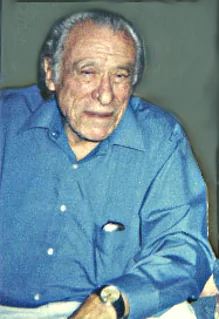
An Evening with Hank – Charles Bukowski in Sulzbach-Rosenberg
Charles Bukowski live as a literary event: An Evening with Hank in Sulzbach-Rosenberg connects reading, voice, and cult author. 04.09.2026, €22. #Literature

Na Ciotogi – Trad. Irish Music from the Heart
Irish Folk with soul in Sulzbach-Rosenberg: Na Ciotogi live in the Historic Printery Seidel, admission 6:30 PM, tickets 24 €. #IrishFolk
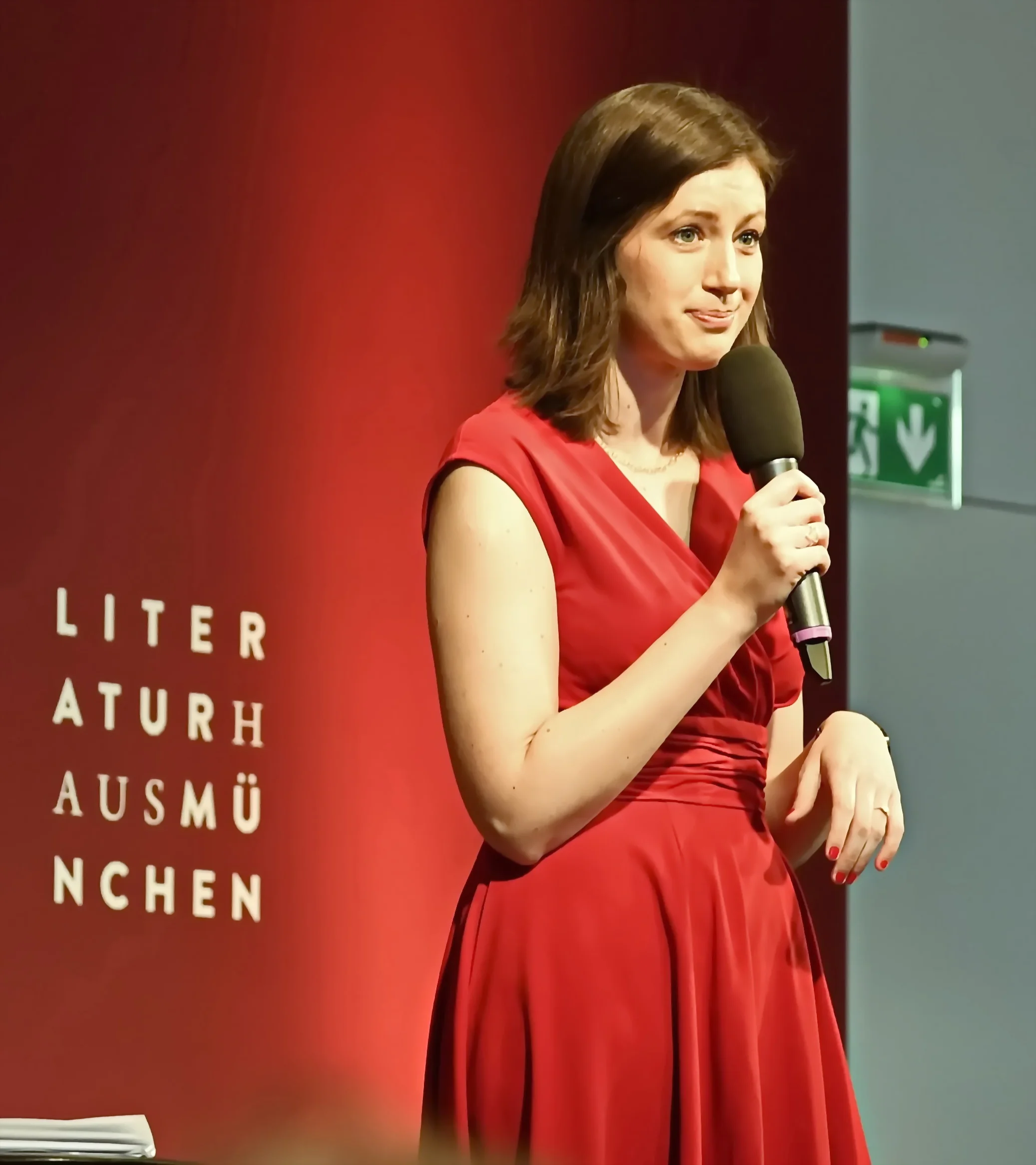
Claudia Pichler live: Headbutt and Counter Beer in Sulzbach-Rosenberg
An evening of cabaret with bite and Bavarian soul: Claudia Pichler shines in Sulzbach-Rosenberg. 17.10.2026, 23 euros. Join now! #Cabaret
Frequently Asked Questions
Reviews
No reviews found