
Vilseck
Schloßgasse 6-8, 92249 Vilseck, Deutschland
Burg Dagestein | Events & Medieval Market
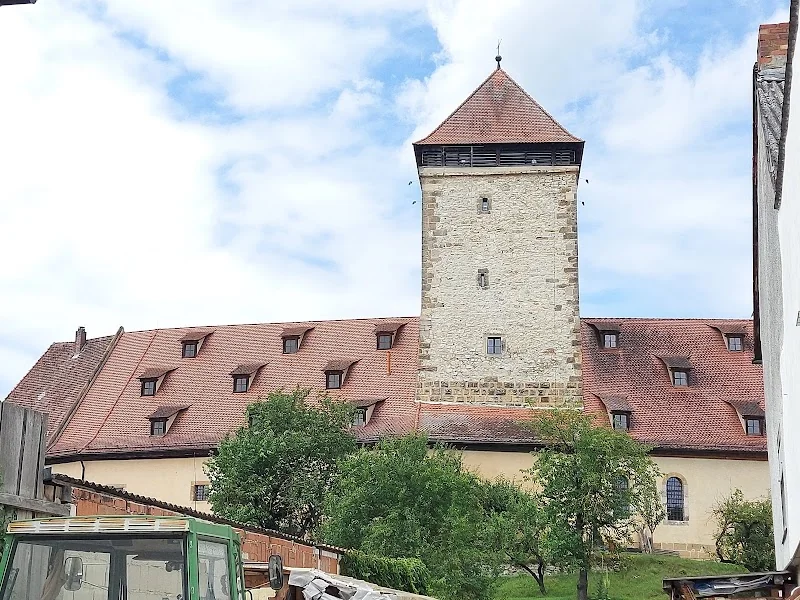
Burg Dagestein is one of the most prominent historical sites in Vilseck, combining medieval architecture with a diverse cultural and event offering. The complex is located at Schloßgasse 6 to 8 in the historic city area and is used today not only as a tourist attraction but also as an event venue. The Romanesque keep, the remnants of the medieval ring wall, the courtyard, and the renovated Zehentkasten form an ensemble that makes history visible and tangible for visitors.
Those searching for Burg Dagestein Vilseck are often interested in current events, knight camps, medieval markets, Christmas markets, photos, sightseeing opportunities, or the rental of the Zehentkasten. The castle offers several different perspectives for this: the keep represents early history and the view over Vilseck, the Zehentkasten is for conferences, celebrations, and exhibitions, while the courtyard serves as an atmospheric stage for theater, music, and seasonal events. Thus, Burg Dagestein is simultaneously a historical building, a cultural meeting point, and a unique location for private and public occasions.
The exterior of the complex can be viewed at any time, and the courtyard is freely accessible. The keep is opened seasonally. For events, tours, and booking inquiries, the city of Vilseck is the central contact. Due to the different rooms, outdoor areas, and event formats, there is no uniform seating plan for the entire castle. Instead, the respective use is planned according to the occasion.
Burg Dagestein Events: Culture between Courtyard and Keep
Burg Dagestein events primarily thrive on the connection between historical ambiance and contemporary culture. The city of Vilseck uses the complex as a cultural center where various types of events can develop their own character. Theater performances benefit from the old walls and the enclosed courtyard, concerts gain a special atmosphere from the architecture, and readings or smaller cultural formats can take place in historical interiors. Art exhibitions are also part of the castle's profile and utilize the different architectural situations from the vaulted cellar to the restored rooms of the Zehentkasten.
A well-known event format is the Burgfestspiele Vilseck. Here, the courtyard is used as a stage, and the story of the respective production is connected with the real architecture of the castle. The combination of acting, evening atmosphere, and historical walls makes the performances an experience that is distinctly different from a theater visit in a traditional hall. For visitors, there is an immediate connection between the performance location and history: the venue is not just a backdrop but shapes the perception of the entire evening.
The cultural offerings may also include exhibitions, guided tours, lectures, music events, and special themed evenings. The rooms and outdoor areas can be flexibly utilized. In the Zehentkasten, exhibitions can take place against the backdrop of original preserved or historically influenced masonry. In the courtyard, larger installations, open-air formats, or seasonal markets can be set up. Historical rooms are also suitable for readings by candlelight or smaller musical events, where the atmosphere of the architecture plays a significant role.
For visitors, it is advisable to check the current program of the city of Vilseck or the castle before visiting. Individual events may have their own admission prices, advance sale points, entry times, and regulations regarding accessibility. Since the courtyard and the interiors are arranged differently depending on the occasion, general information about seating is only partially transferable. For theater performances, concerts, or special events, the respective information from the organizer applies.
The strength of Burg Dagestein as an event venue lies in its versatility. A historical tour in the afternoon, an exhibition in the Zehentkasten, a theater evening in the courtyard, or a seasonal market can create very different impressions at the same location. Therefore, the castle is not only a destination for history enthusiasts but also for people who want to experience culture in an unusual setting.
Burg Dagestein Knight Camps and Medieval Market in Vilseck
The topic of Burg Dagestein knight camps is one of the particularly obvious search interests surrounding the complex. A medieval knight camp fits seamlessly with the historical walls, the keep, and the courtyard. When camp groups set up their tents, demonstrate crafts, and depict historical everyday scenes, a vivid connection is created between the current event venue and its former function as a fortified structure. For families and history enthusiasts, such events offer the opportunity to learn about medieval ways of life not only through texts or exhibits but through demonstrations, conversations, and visible workflows.
A knight camp at Burg Dagestein can include different program points depending on the date. These include camp life, craft demonstrations, historical clothing, equipment demonstrations, storytelling, hands-on activities, and family-friendly program points. Published programs may mention camp groups, crafts, a fairy tale tent, or a courtyard day with knightly investiture. The exact design changes from year to year and depends on the participating groups and the respective organizer.
The term medieval market is often used when a knight camp is supplemented by market stalls, historical trades, food, drinks, and a stage program. For visitors, it is helpful to distinguish between a pure camp, a historical festival, and a market with sales offerings. Not every event on the castle grounds offers the same offerings. Current information on admission, times, parking options, program, and weather regulations should therefore always be checked before visiting.
The spatial effect of the castle supports the character of such events. The keep forms a prominent point of orientation, the courtyard creates a central area for demonstrations and encounters, and the surrounding buildings provide a historical framework. At the same time, it should be noted that a medieval event format does not represent an unchanged reflection of the Middle Ages. It is a modern cultural event that takes up historical themes and prepares them for a contemporary audience.
For families, it is advisable to plan enough time, as a knight camp usually consists of several areas. Children can observe demonstrations, meet craftsmen, and experience the atmosphere in the courtyard. Adults often combine the visit with a tour of Vilseck, a visit to the keep, or a visit to other attractions in the historic old town. The combination of a daytime program and an evening event is particularly appealing, provided the respective date allows for it.
Photos are also taken at knight camps and medieval markets under particularly characteristic conditions. Tents, historical garments, wooden stalls, walls, and the keep create varied motifs. Visitors should be considerate of performers, craftsmen, and other guests. Special rules may apply for professional recordings or publications. Therefore, the current event information from the city or the respective organizers is the most reliable basis for planning and participation.
Burg Dagestein Christmas Market and Seasonal Highlights
The Burg Dagestein Christmas market is one of the seasonal search terms that describe the special character of the complex in winter. A Christmas market in a historic courtyard differs from a market in a regular square primarily through its spatial atmosphere. Old walls, the keep, and the sheltered courtyard create a setting that is particularly well-suited for Advent events. Between market stalls, lights, and Christmas decorations, a festive environment is created that many visitors associate with the history of the place.
The romantic Christmas market of Vilseck is connected with Burg Dagestein in regional event announcements. Typical components may include handcrafted offerings, regional products, food, drinks, and a family program. Published notices also mention a visit from the Christ Child on Sunday afternoons, where children can receive gifts. Since dates, exhibitors, and program points can change, visitors should pay attention to the respective current information from the city of Vilseck or the organizer.
For a visit to the Christmas market, it is worthwhile to plan the journey early. The address of the castle is Schloßgasse 6 to 8 in 92249 Vilseck. Since the event takes place in the historic city area and space within the castle is limited, special traffic regulations or designated parking areas may apply on heavily visited days. The local signage and the current notices for the event are decisive. A blanket statement about a specific parking lot or a permanently applicable parking regulation should be avoided without current event information.
The winter use shows that Burg Dagestein is interesting not only during the warm months. In summer, cultural events, knight camps, exhibitions, and theater are the focus. In Advent, the perception of the complex changes due to lighting, market stalls, and festive offerings. The historical framework remains the same, but the atmosphere is increasingly shaped by encounters, regional crafts, and family programs.
Visitors who wish to combine the Christmas market with a city tour can complement their stay with a walk through Vilseck. The city has other historical buildings and parts of the medieval city fortifications. From the viewpoint of the keep, there is a view of the old town and the surrounding area, provided the tower is open and accessible. However, in winter, the keep does not automatically have the same opening hours as in summer. Therefore, the tower visit should be planned separately from the Christmas market and checked in advance.
Photos of Burg Dagestein in Advent have their own charm. The historical walls, the lighting, and the market atmosphere create motifs that are distinctly different from the summer images of the castle. For visitors, the Christmas market is therefore not only a shopping or family destination but also an opportunity to experience Vilseck and its castle in a special season.
Burg Dagestein History: Keep, Ring Wall, and the Diocese of Bamberg
The history of Burg Dagestein dates back to the Middle Ages. The city of Vilseck has an early castle complex around the year 930, initially as a wooden watchtower with palisades and a moat. From the 12th century, a stone tower was built. The castle was first mentioned in a document in 1190. The oldest parts still preserved today are located in the area of the keep and date back to the 12th century. Thus, the complex is one of the oldest historical buildings in Vilseck and explains why Burg Dagestein holds such great significance for the identity of the city.
The Romanesque keep is the architectural highlight of the castle. The lower two floors date back to around 1200. On the ground floor, there is a Romanesque gate hall with a late Romanesque ribbed vault made of sandstone. During renovation work, a Romanesque portal with engaged columns and arch field as well as wall paintings from the 14th century were also made visible or rediscovered. These details make the keep not only a viewpoint but also an important testimony to medieval construction and art history.
From the viewpoint of the keep, the view extends over the historic old town and the surrounding area of Vilseck. The elevated position makes it understandable what significance such a tower had for control, protection, and representation. Today, the view primarily serves the tourist experience, but the architectural location reminds of the former function of the castle as a fortified seat of power.
Burg Dagestein was connected to the Diocese of Bamberg. From 1269 to 1745, the complex served as the seat of the bailiffs, i.e., the representatives of the Bishop of Bamberg. After this time, it was used, among other things, as a grain store. The current buildings therefore originate from various epochs. In addition to the medieval structural components, later renovations and reconstructions shape the appearance. The Zehentkasten was built around 1700 and was later extensively renovated.
In 1512, the castle was attacked, plundered, and burned down during a feud. After that, reconstruction took place. Further renovation works date back to the years 1729 and 1732. Due to structural damage, the tower was reduced by several meters around 1800. In the 20th century, various renovation phases followed. The Zehentkasten was renovated in 1990 and 1991, and the keep in 2000 and 2001. These measures contributed to the fact that the complex can still be used today as a historical site and event venue.
The history of Burg Dagestein is closely linked to the development of Vilseck. The name Vilseck is associated with the castle or the Vilsburg. Castle and city grew together in the Middle Ages. Therefore, when visiting the castle, one does not only see an individual building but a part of the historical urban development. The complex explains why Vilseck is still perceived as a city with a medieval character.
Zehentkasten Burg Dagestein: Rooms for Weddings, Conferences, and Celebrations
The Zehentkasten is the most important event area within the castle complex. The historic building has been renovated and is now used for various occasions. The name refers to its former function as a store for the tithe, a tax that was historically paid to the ecclesiastical or feudal administration. Today, the Zehentkasten is no longer used for storage but for events, conferences, exhibitions, celebrations, and cultural encounters.
According to the information from the city of Vilseck, four different, newly restored large conference rooms are available in the Zehentkasten. In the two large halls, a maximum of 150 people can be accommodated each. This results in a possible room capacity of up to 300 people if both halls are used separately. This number should not be understood as a general capacity of the entire castle. The actual number of guests depends on the chosen room, seating arrangement, purpose of the event, and the respective safety and approval conditions.
For conferences, technical equipment is provided, including a projector, screen, flip chart, moderator's case, pinboard, and lectern. Historical rooms and modern conference technology thus combine to create an event venue suitable for both factual working formats and representative occasions. For catering, local restaurants in Vilseck can be recommended. These include, among other things, Upper Palatinate snacks, menus, and cold and warm buffets.
Weddings are also an important area of use. Civil ceremonies can take place on the ground floor of the keep, in the Romanesque gate hall, or on the observation platform. For larger wedding parties, the ground floor of the Zehentkasten can be used as a ceremony room. This allows different atmospheres to be combined: an intimate ceremony in the historic keep, a reception in the Zehentkasten, or a celebration with a view of the special architecture of the courtyard.
In addition, the Zehentkasten is suitable for anniversaries, class reunions, company parties, and private celebrations. The historical character gives such events a clear thematic framework without being limited to a purely medieval format. A company can combine a conference with regional food, an association can organize a celebration, and a family can host a wedding or anniversary in a building with visible history.
When making a booking inquiry, organizers should provide as early as possible details about the date, number of guests, room preference, seating, technology, catering, access, setup, and teardown. There is no universal seating plan because the rooms are of different sizes and are arranged differently depending on the occasion. The city of Vilseck can provide information about available rooms, framework conditions, and possible additional offers. For larger events, precise coordination on safety issues, accessibility, and organizational processes is also required.
Burg Dagestein Photos and Visits: What Visitors Can Discover
Those searching for Burg Dagestein photos will find the most important motifs to be the Romanesque keep, the courtyard, the Zehentkasten, historical wall remnants, and the view over Vilseck. The complex appears very differently depending on the season. In summer, sandstone, masonry, and green spaces stand out clearly. At a knight camp, tents and historical representations complement the architecture. In Advent, lighting and market stalls create a festive image atmosphere. During theater performances or concerts, the stage and event lighting change the character of the courtyard.
The exterior of the castle complex can be viewed at any time. The courtyard is freely accessible and provides a good starting point for the visit. From there, the different components of the complex can be compared. The keep rises as the oldest and most prominent part, while the Zehentkasten represents the later development and current event use. Remnants of the medieval ring wall remind of the original defensibility of the complex.
The keep is not permanently open at all times. According to visitor information, it can be visited from April to September on Sundays between 2 PM and 5 PM. These seasonal opening hours should be checked before planning a tower ascent, especially if a longer journey is intended. Special regulations may apply during special events, tours, or organizational changes.
A special highlight in the keep are the historical wall paintings from the 14th century. Together with the Romanesque portal and the ribbed vault, they convey an impression of how many layers of time have been preserved in the complex. The observation platform adds a scenic perspective to the interior. Visitors can view the structure of the old town and the surroundings from above, thus better understanding the castle's location within the urban fabric.
For a photographic tour, a combination of detail shots and overview images is recommended. Sandstone blocks, gate hall, vaults, wall remnants, and historical facades are suitable for close-ups. The courtyard offers motifs with spatial depth, while the view from the keep makes the connection between castle and city visible. When taking interior shots, the applicable rules of the respective visit or event should be observed. During private celebrations, exhibitions, or theater events, special guidelines may apply.
The visit can be combined with a guided tour. Guided tours of Burg Dagestein are offered by the city of Vilseck and can explain historical contexts, architectural features, and the development of the site. A historical walk through the old town is also possible. This turns the individual castle visit into a comprehensive city tour through the history of Vilseck.
Directions, Address, and Practical Information about Burg Dagestein Vilseck
Burg Dagestein is located at Schloßgasse 6 to 8 in 92249 Vilseck. Its location in the historic city area makes the castle a well-recognizable part of the place. Visitors should pay attention to the current signage and notices from the city when arriving. For larger events, different traffic routes, entry regulations, or designated parking areas may apply compared to a normal exterior visit.
A permanently valid, event-independent parking indication is not meaningful for all dates, as visitor numbers and traffic regulations may vary. Those traveling to a knight camp, Christmas market, theater evening, or concert should therefore check the event information and allow sufficient time for parking search. Especially during seasonal markets or heavily attended evening events, the demand for parking spaces may be higher. The local signage on site is decisive.
For general inquiries and bookings, the city of Vilseck is responsible. The visitor information mentions the town hall of Vilseck as the contact point. The First German Tower Museum also has its own contact option. Those planning a tour, an event in the Zehentkasten, a wedding, or a visit to the keep should contact the responsible office with as concrete information as possible. This includes the desired date, number of people, and the occasion.
Accessibility depends on the area and the event format. The freely accessible courtyard is evaluated differently than the keep with stairs or an individually furnished event room. For weddings, conferences, and public events, visitors or organizers should inquire in advance about which areas are accessible and what access options exist. Seating, toilets, catering, and technical equipment may also be organized differently depending on the room.
For families with children, knight camps, Christmas markets, and public cultural events offer particularly varied occasions. However, when visiting historical buildings, stairs, uneven paths, wall edges, and changing floor coverings should be considered. Sturdy footwear is advisable for a tour of the grounds. For open-air events, weather-appropriate planning is also recommended, as the courtyard may only be partially sheltered depending on the event.
The proximity to the historic old town allows visitors to combine their visit to Burg Dagestein with other attractions in Vilseck. These include the city fortifications, the bird tower, churches, and historical buildings. The bird tower houses the First German Tower Museum. A combined tour thus conveys not only the history of the castle but also the development of the city as a medieval center. Burg Dagestein is therefore both a standalone excursion destination and a starting point for a more comprehensive exploration of Vilseck.
Sources:
- Burg Dagestein Vilseck – History and Historical Buildings
- Burg Dagestein Vilseck – Conferences and Rooms in the Zehentkasten
- Burg Dagestein Vilseck – Weddings, Celebrations, and Events
- Burg Dagestein Vilseck – Contact, Visit, and Directions
- City of Vilseck – Attractions and History of Burg Dagestein
- Burgfestspiele Vilseck – Events in the Courtyard of Burg Dagestein
- East Bavaria Tourism – Burg Dagestein in Vilseck
- City of Vilseck – Guided Tours of Burg Dagestein and the Old Town
Mehr anzeigenWeniger anzeigen
Burg Dagestein | Events & Medieval Market
Burg Dagestein is one of the most prominent historical sites in Vilseck, combining medieval architecture with a diverse cultural and event offering. The complex is located at Schloßgasse 6 to 8 in the historic city area and is used today not only as a tourist attraction but also as an event venue. The Romanesque keep, the remnants of the medieval ring wall, the courtyard, and the renovated Zehentkasten form an ensemble that makes history visible and tangible for visitors.
Those searching for Burg Dagestein Vilseck are often interested in current events, knight camps, medieval markets, Christmas markets, photos, sightseeing opportunities, or the rental of the Zehentkasten. The castle offers several different perspectives for this: the keep represents early history and the view over Vilseck, the Zehentkasten is for conferences, celebrations, and exhibitions, while the courtyard serves as an atmospheric stage for theater, music, and seasonal events. Thus, Burg Dagestein is simultaneously a historical building, a cultural meeting point, and a unique location for private and public occasions.
The exterior of the complex can be viewed at any time, and the courtyard is freely accessible. The keep is opened seasonally. For events, tours, and booking inquiries, the city of Vilseck is the central contact. Due to the different rooms, outdoor areas, and event formats, there is no uniform seating plan for the entire castle. Instead, the respective use is planned according to the occasion.
Burg Dagestein Events: Culture between Courtyard and Keep
Burg Dagestein events primarily thrive on the connection between historical ambiance and contemporary culture. The city of Vilseck uses the complex as a cultural center where various types of events can develop their own character. Theater performances benefit from the old walls and the enclosed courtyard, concerts gain a special atmosphere from the architecture, and readings or smaller cultural formats can take place in historical interiors. Art exhibitions are also part of the castle's profile and utilize the different architectural situations from the vaulted cellar to the restored rooms of the Zehentkasten.
A well-known event format is the Burgfestspiele Vilseck. Here, the courtyard is used as a stage, and the story of the respective production is connected with the real architecture of the castle. The combination of acting, evening atmosphere, and historical walls makes the performances an experience that is distinctly different from a theater visit in a traditional hall. For visitors, there is an immediate connection between the performance location and history: the venue is not just a backdrop but shapes the perception of the entire evening.
The cultural offerings may also include exhibitions, guided tours, lectures, music events, and special themed evenings. The rooms and outdoor areas can be flexibly utilized. In the Zehentkasten, exhibitions can take place against the backdrop of original preserved or historically influenced masonry. In the courtyard, larger installations, open-air formats, or seasonal markets can be set up. Historical rooms are also suitable for readings by candlelight or smaller musical events, where the atmosphere of the architecture plays a significant role.
For visitors, it is advisable to check the current program of the city of Vilseck or the castle before visiting. Individual events may have their own admission prices, advance sale points, entry times, and regulations regarding accessibility. Since the courtyard and the interiors are arranged differently depending on the occasion, general information about seating is only partially transferable. For theater performances, concerts, or special events, the respective information from the organizer applies.
The strength of Burg Dagestein as an event venue lies in its versatility. A historical tour in the afternoon, an exhibition in the Zehentkasten, a theater evening in the courtyard, or a seasonal market can create very different impressions at the same location. Therefore, the castle is not only a destination for history enthusiasts but also for people who want to experience culture in an unusual setting.
Burg Dagestein Knight Camps and Medieval Market in Vilseck
The topic of Burg Dagestein knight camps is one of the particularly obvious search interests surrounding the complex. A medieval knight camp fits seamlessly with the historical walls, the keep, and the courtyard. When camp groups set up their tents, demonstrate crafts, and depict historical everyday scenes, a vivid connection is created between the current event venue and its former function as a fortified structure. For families and history enthusiasts, such events offer the opportunity to learn about medieval ways of life not only through texts or exhibits but through demonstrations, conversations, and visible workflows.
A knight camp at Burg Dagestein can include different program points depending on the date. These include camp life, craft demonstrations, historical clothing, equipment demonstrations, storytelling, hands-on activities, and family-friendly program points. Published programs may mention camp groups, crafts, a fairy tale tent, or a courtyard day with knightly investiture. The exact design changes from year to year and depends on the participating groups and the respective organizer.
The term medieval market is often used when a knight camp is supplemented by market stalls, historical trades, food, drinks, and a stage program. For visitors, it is helpful to distinguish between a pure camp, a historical festival, and a market with sales offerings. Not every event on the castle grounds offers the same offerings. Current information on admission, times, parking options, program, and weather regulations should therefore always be checked before visiting.
The spatial effect of the castle supports the character of such events. The keep forms a prominent point of orientation, the courtyard creates a central area for demonstrations and encounters, and the surrounding buildings provide a historical framework. At the same time, it should be noted that a medieval event format does not represent an unchanged reflection of the Middle Ages. It is a modern cultural event that takes up historical themes and prepares them for a contemporary audience.
For families, it is advisable to plan enough time, as a knight camp usually consists of several areas. Children can observe demonstrations, meet craftsmen, and experience the atmosphere in the courtyard. Adults often combine the visit with a tour of Vilseck, a visit to the keep, or a visit to other attractions in the historic old town. The combination of a daytime program and an evening event is particularly appealing, provided the respective date allows for it.
Photos are also taken at knight camps and medieval markets under particularly characteristic conditions. Tents, historical garments, wooden stalls, walls, and the keep create varied motifs. Visitors should be considerate of performers, craftsmen, and other guests. Special rules may apply for professional recordings or publications. Therefore, the current event information from the city or the respective organizers is the most reliable basis for planning and participation.
Burg Dagestein Christmas Market and Seasonal Highlights
The Burg Dagestein Christmas market is one of the seasonal search terms that describe the special character of the complex in winter. A Christmas market in a historic courtyard differs from a market in a regular square primarily through its spatial atmosphere. Old walls, the keep, and the sheltered courtyard create a setting that is particularly well-suited for Advent events. Between market stalls, lights, and Christmas decorations, a festive environment is created that many visitors associate with the history of the place.
The romantic Christmas market of Vilseck is connected with Burg Dagestein in regional event announcements. Typical components may include handcrafted offerings, regional products, food, drinks, and a family program. Published notices also mention a visit from the Christ Child on Sunday afternoons, where children can receive gifts. Since dates, exhibitors, and program points can change, visitors should pay attention to the respective current information from the city of Vilseck or the organizer.
For a visit to the Christmas market, it is worthwhile to plan the journey early. The address of the castle is Schloßgasse 6 to 8 in 92249 Vilseck. Since the event takes place in the historic city area and space within the castle is limited, special traffic regulations or designated parking areas may apply on heavily visited days. The local signage and the current notices for the event are decisive. A blanket statement about a specific parking lot or a permanently applicable parking regulation should be avoided without current event information.
The winter use shows that Burg Dagestein is interesting not only during the warm months. In summer, cultural events, knight camps, exhibitions, and theater are the focus. In Advent, the perception of the complex changes due to lighting, market stalls, and festive offerings. The historical framework remains the same, but the atmosphere is increasingly shaped by encounters, regional crafts, and family programs.
Visitors who wish to combine the Christmas market with a city tour can complement their stay with a walk through Vilseck. The city has other historical buildings and parts of the medieval city fortifications. From the viewpoint of the keep, there is a view of the old town and the surrounding area, provided the tower is open and accessible. However, in winter, the keep does not automatically have the same opening hours as in summer. Therefore, the tower visit should be planned separately from the Christmas market and checked in advance.
Photos of Burg Dagestein in Advent have their own charm. The historical walls, the lighting, and the market atmosphere create motifs that are distinctly different from the summer images of the castle. For visitors, the Christmas market is therefore not only a shopping or family destination but also an opportunity to experience Vilseck and its castle in a special season.
Burg Dagestein History: Keep, Ring Wall, and the Diocese of Bamberg
The history of Burg Dagestein dates back to the Middle Ages. The city of Vilseck has an early castle complex around the year 930, initially as a wooden watchtower with palisades and a moat. From the 12th century, a stone tower was built. The castle was first mentioned in a document in 1190. The oldest parts still preserved today are located in the area of the keep and date back to the 12th century. Thus, the complex is one of the oldest historical buildings in Vilseck and explains why Burg Dagestein holds such great significance for the identity of the city.
The Romanesque keep is the architectural highlight of the castle. The lower two floors date back to around 1200. On the ground floor, there is a Romanesque gate hall with a late Romanesque ribbed vault made of sandstone. During renovation work, a Romanesque portal with engaged columns and arch field as well as wall paintings from the 14th century were also made visible or rediscovered. These details make the keep not only a viewpoint but also an important testimony to medieval construction and art history.
From the viewpoint of the keep, the view extends over the historic old town and the surrounding area of Vilseck. The elevated position makes it understandable what significance such a tower had for control, protection, and representation. Today, the view primarily serves the tourist experience, but the architectural location reminds of the former function of the castle as a fortified seat of power.
Burg Dagestein was connected to the Diocese of Bamberg. From 1269 to 1745, the complex served as the seat of the bailiffs, i.e., the representatives of the Bishop of Bamberg. After this time, it was used, among other things, as a grain store. The current buildings therefore originate from various epochs. In addition to the medieval structural components, later renovations and reconstructions shape the appearance. The Zehentkasten was built around 1700 and was later extensively renovated.
In 1512, the castle was attacked, plundered, and burned down during a feud. After that, reconstruction took place. Further renovation works date back to the years 1729 and 1732. Due to structural damage, the tower was reduced by several meters around 1800. In the 20th century, various renovation phases followed. The Zehentkasten was renovated in 1990 and 1991, and the keep in 2000 and 2001. These measures contributed to the fact that the complex can still be used today as a historical site and event venue.
The history of Burg Dagestein is closely linked to the development of Vilseck. The name Vilseck is associated with the castle or the Vilsburg. Castle and city grew together in the Middle Ages. Therefore, when visiting the castle, one does not only see an individual building but a part of the historical urban development. The complex explains why Vilseck is still perceived as a city with a medieval character.
Zehentkasten Burg Dagestein: Rooms for Weddings, Conferences, and Celebrations
The Zehentkasten is the most important event area within the castle complex. The historic building has been renovated and is now used for various occasions. The name refers to its former function as a store for the tithe, a tax that was historically paid to the ecclesiastical or feudal administration. Today, the Zehentkasten is no longer used for storage but for events, conferences, exhibitions, celebrations, and cultural encounters.
According to the information from the city of Vilseck, four different, newly restored large conference rooms are available in the Zehentkasten. In the two large halls, a maximum of 150 people can be accommodated each. This results in a possible room capacity of up to 300 people if both halls are used separately. This number should not be understood as a general capacity of the entire castle. The actual number of guests depends on the chosen room, seating arrangement, purpose of the event, and the respective safety and approval conditions.
For conferences, technical equipment is provided, including a projector, screen, flip chart, moderator's case, pinboard, and lectern. Historical rooms and modern conference technology thus combine to create an event venue suitable for both factual working formats and representative occasions. For catering, local restaurants in Vilseck can be recommended. These include, among other things, Upper Palatinate snacks, menus, and cold and warm buffets.
Weddings are also an important area of use. Civil ceremonies can take place on the ground floor of the keep, in the Romanesque gate hall, or on the observation platform. For larger wedding parties, the ground floor of the Zehentkasten can be used as a ceremony room. This allows different atmospheres to be combined: an intimate ceremony in the historic keep, a reception in the Zehentkasten, or a celebration with a view of the special architecture of the courtyard.
In addition, the Zehentkasten is suitable for anniversaries, class reunions, company parties, and private celebrations. The historical character gives such events a clear thematic framework without being limited to a purely medieval format. A company can combine a conference with regional food, an association can organize a celebration, and a family can host a wedding or anniversary in a building with visible history.
When making a booking inquiry, organizers should provide as early as possible details about the date, number of guests, room preference, seating, technology, catering, access, setup, and teardown. There is no universal seating plan because the rooms are of different sizes and are arranged differently depending on the occasion. The city of Vilseck can provide information about available rooms, framework conditions, and possible additional offers. For larger events, precise coordination on safety issues, accessibility, and organizational processes is also required.
Burg Dagestein Photos and Visits: What Visitors Can Discover
Those searching for Burg Dagestein photos will find the most important motifs to be the Romanesque keep, the courtyard, the Zehentkasten, historical wall remnants, and the view over Vilseck. The complex appears very differently depending on the season. In summer, sandstone, masonry, and green spaces stand out clearly. At a knight camp, tents and historical representations complement the architecture. In Advent, lighting and market stalls create a festive image atmosphere. During theater performances or concerts, the stage and event lighting change the character of the courtyard.
The exterior of the castle complex can be viewed at any time. The courtyard is freely accessible and provides a good starting point for the visit. From there, the different components of the complex can be compared. The keep rises as the oldest and most prominent part, while the Zehentkasten represents the later development and current event use. Remnants of the medieval ring wall remind of the original defensibility of the complex.
The keep is not permanently open at all times. According to visitor information, it can be visited from April to September on Sundays between 2 PM and 5 PM. These seasonal opening hours should be checked before planning a tower ascent, especially if a longer journey is intended. Special regulations may apply during special events, tours, or organizational changes.
A special highlight in the keep are the historical wall paintings from the 14th century. Together with the Romanesque portal and the ribbed vault, they convey an impression of how many layers of time have been preserved in the complex. The observation platform adds a scenic perspective to the interior. Visitors can view the structure of the old town and the surroundings from above, thus better understanding the castle's location within the urban fabric.
For a photographic tour, a combination of detail shots and overview images is recommended. Sandstone blocks, gate hall, vaults, wall remnants, and historical facades are suitable for close-ups. The courtyard offers motifs with spatial depth, while the view from the keep makes the connection between castle and city visible. When taking interior shots, the applicable rules of the respective visit or event should be observed. During private celebrations, exhibitions, or theater events, special guidelines may apply.
The visit can be combined with a guided tour. Guided tours of Burg Dagestein are offered by the city of Vilseck and can explain historical contexts, architectural features, and the development of the site. A historical walk through the old town is also possible. This turns the individual castle visit into a comprehensive city tour through the history of Vilseck.
Directions, Address, and Practical Information about Burg Dagestein Vilseck
Burg Dagestein is located at Schloßgasse 6 to 8 in 92249 Vilseck. Its location in the historic city area makes the castle a well-recognizable part of the place. Visitors should pay attention to the current signage and notices from the city when arriving. For larger events, different traffic routes, entry regulations, or designated parking areas may apply compared to a normal exterior visit.
A permanently valid, event-independent parking indication is not meaningful for all dates, as visitor numbers and traffic regulations may vary. Those traveling to a knight camp, Christmas market, theater evening, or concert should therefore check the event information and allow sufficient time for parking search. Especially during seasonal markets or heavily attended evening events, the demand for parking spaces may be higher. The local signage on site is decisive.
For general inquiries and bookings, the city of Vilseck is responsible. The visitor information mentions the town hall of Vilseck as the contact point. The First German Tower Museum also has its own contact option. Those planning a tour, an event in the Zehentkasten, a wedding, or a visit to the keep should contact the responsible office with as concrete information as possible. This includes the desired date, number of people, and the occasion.
Accessibility depends on the area and the event format. The freely accessible courtyard is evaluated differently than the keep with stairs or an individually furnished event room. For weddings, conferences, and public events, visitors or organizers should inquire in advance about which areas are accessible and what access options exist. Seating, toilets, catering, and technical equipment may also be organized differently depending on the room.
For families with children, knight camps, Christmas markets, and public cultural events offer particularly varied occasions. However, when visiting historical buildings, stairs, uneven paths, wall edges, and changing floor coverings should be considered. Sturdy footwear is advisable for a tour of the grounds. For open-air events, weather-appropriate planning is also recommended, as the courtyard may only be partially sheltered depending on the event.
The proximity to the historic old town allows visitors to combine their visit to Burg Dagestein with other attractions in Vilseck. These include the city fortifications, the bird tower, churches, and historical buildings. The bird tower houses the First German Tower Museum. A combined tour thus conveys not only the history of the castle but also the development of the city as a medieval center. Burg Dagestein is therefore both a standalone excursion destination and a starting point for a more comprehensive exploration of Vilseck.
Sources:
- Burg Dagestein Vilseck – History and Historical Buildings
- Burg Dagestein Vilseck – Conferences and Rooms in the Zehentkasten
- Burg Dagestein Vilseck – Weddings, Celebrations, and Events
- Burg Dagestein Vilseck – Contact, Visit, and Directions
- City of Vilseck – Attractions and History of Burg Dagestein
- Burgfestspiele Vilseck – Events in the Courtyard of Burg Dagestein
- East Bavaria Tourism – Burg Dagestein in Vilseck
- City of Vilseck – Guided Tours of Burg Dagestein and the Old Town
Burg Dagestein | Events & Medieval Market
Burg Dagestein is one of the most prominent historical sites in Vilseck, combining medieval architecture with a diverse cultural and event offering. The complex is located at Schloßgasse 6 to 8 in the historic city area and is used today not only as a tourist attraction but also as an event venue. The Romanesque keep, the remnants of the medieval ring wall, the courtyard, and the renovated Zehentkasten form an ensemble that makes history visible and tangible for visitors.
Those searching for Burg Dagestein Vilseck are often interested in current events, knight camps, medieval markets, Christmas markets, photos, sightseeing opportunities, or the rental of the Zehentkasten. The castle offers several different perspectives for this: the keep represents early history and the view over Vilseck, the Zehentkasten is for conferences, celebrations, and exhibitions, while the courtyard serves as an atmospheric stage for theater, music, and seasonal events. Thus, Burg Dagestein is simultaneously a historical building, a cultural meeting point, and a unique location for private and public occasions.
The exterior of the complex can be viewed at any time, and the courtyard is freely accessible. The keep is opened seasonally. For events, tours, and booking inquiries, the city of Vilseck is the central contact. Due to the different rooms, outdoor areas, and event formats, there is no uniform seating plan for the entire castle. Instead, the respective use is planned according to the occasion.
Burg Dagestein Events: Culture between Courtyard and Keep
Burg Dagestein events primarily thrive on the connection between historical ambiance and contemporary culture. The city of Vilseck uses the complex as a cultural center where various types of events can develop their own character. Theater performances benefit from the old walls and the enclosed courtyard, concerts gain a special atmosphere from the architecture, and readings or smaller cultural formats can take place in historical interiors. Art exhibitions are also part of the castle's profile and utilize the different architectural situations from the vaulted cellar to the restored rooms of the Zehentkasten.
A well-known event format is the Burgfestspiele Vilseck. Here, the courtyard is used as a stage, and the story of the respective production is connected with the real architecture of the castle. The combination of acting, evening atmosphere, and historical walls makes the performances an experience that is distinctly different from a theater visit in a traditional hall. For visitors, there is an immediate connection between the performance location and history: the venue is not just a backdrop but shapes the perception of the entire evening.
The cultural offerings may also include exhibitions, guided tours, lectures, music events, and special themed evenings. The rooms and outdoor areas can be flexibly utilized. In the Zehentkasten, exhibitions can take place against the backdrop of original preserved or historically influenced masonry. In the courtyard, larger installations, open-air formats, or seasonal markets can be set up. Historical rooms are also suitable for readings by candlelight or smaller musical events, where the atmosphere of the architecture plays a significant role.
For visitors, it is advisable to check the current program of the city of Vilseck or the castle before visiting. Individual events may have their own admission prices, advance sale points, entry times, and regulations regarding accessibility. Since the courtyard and the interiors are arranged differently depending on the occasion, general information about seating is only partially transferable. For theater performances, concerts, or special events, the respective information from the organizer applies.
The strength of Burg Dagestein as an event venue lies in its versatility. A historical tour in the afternoon, an exhibition in the Zehentkasten, a theater evening in the courtyard, or a seasonal market can create very different impressions at the same location. Therefore, the castle is not only a destination for history enthusiasts but also for people who want to experience culture in an unusual setting.
Burg Dagestein Knight Camps and Medieval Market in Vilseck
The topic of Burg Dagestein knight camps is one of the particularly obvious search interests surrounding the complex. A medieval knight camp fits seamlessly with the historical walls, the keep, and the courtyard. When camp groups set up their tents, demonstrate crafts, and depict historical everyday scenes, a vivid connection is created between the current event venue and its former function as a fortified structure. For families and history enthusiasts, such events offer the opportunity to learn about medieval ways of life not only through texts or exhibits but through demonstrations, conversations, and visible workflows.
A knight camp at Burg Dagestein can include different program points depending on the date. These include camp life, craft demonstrations, historical clothing, equipment demonstrations, storytelling, hands-on activities, and family-friendly program points. Published programs may mention camp groups, crafts, a fairy tale tent, or a courtyard day with knightly investiture. The exact design changes from year to year and depends on the participating groups and the respective organizer.
The term medieval market is often used when a knight camp is supplemented by market stalls, historical trades, food, drinks, and a stage program. For visitors, it is helpful to distinguish between a pure camp, a historical festival, and a market with sales offerings. Not every event on the castle grounds offers the same offerings. Current information on admission, times, parking options, program, and weather regulations should therefore always be checked before visiting.
The spatial effect of the castle supports the character of such events. The keep forms a prominent point of orientation, the courtyard creates a central area for demonstrations and encounters, and the surrounding buildings provide a historical framework. At the same time, it should be noted that a medieval event format does not represent an unchanged reflection of the Middle Ages. It is a modern cultural event that takes up historical themes and prepares them for a contemporary audience.
For families, it is advisable to plan enough time, as a knight camp usually consists of several areas. Children can observe demonstrations, meet craftsmen, and experience the atmosphere in the courtyard. Adults often combine the visit with a tour of Vilseck, a visit to the keep, or a visit to other attractions in the historic old town. The combination of a daytime program and an evening event is particularly appealing, provided the respective date allows for it.
Photos are also taken at knight camps and medieval markets under particularly characteristic conditions. Tents, historical garments, wooden stalls, walls, and the keep create varied motifs. Visitors should be considerate of performers, craftsmen, and other guests. Special rules may apply for professional recordings or publications. Therefore, the current event information from the city or the respective organizers is the most reliable basis for planning and participation.
Burg Dagestein Christmas Market and Seasonal Highlights
The Burg Dagestein Christmas market is one of the seasonal search terms that describe the special character of the complex in winter. A Christmas market in a historic courtyard differs from a market in a regular square primarily through its spatial atmosphere. Old walls, the keep, and the sheltered courtyard create a setting that is particularly well-suited for Advent events. Between market stalls, lights, and Christmas decorations, a festive environment is created that many visitors associate with the history of the place.
The romantic Christmas market of Vilseck is connected with Burg Dagestein in regional event announcements. Typical components may include handcrafted offerings, regional products, food, drinks, and a family program. Published notices also mention a visit from the Christ Child on Sunday afternoons, where children can receive gifts. Since dates, exhibitors, and program points can change, visitors should pay attention to the respective current information from the city of Vilseck or the organizer.
For a visit to the Christmas market, it is worthwhile to plan the journey early. The address of the castle is Schloßgasse 6 to 8 in 92249 Vilseck. Since the event takes place in the historic city area and space within the castle is limited, special traffic regulations or designated parking areas may apply on heavily visited days. The local signage and the current notices for the event are decisive. A blanket statement about a specific parking lot or a permanently applicable parking regulation should be avoided without current event information.
The winter use shows that Burg Dagestein is interesting not only during the warm months. In summer, cultural events, knight camps, exhibitions, and theater are the focus. In Advent, the perception of the complex changes due to lighting, market stalls, and festive offerings. The historical framework remains the same, but the atmosphere is increasingly shaped by encounters, regional crafts, and family programs.
Visitors who wish to combine the Christmas market with a city tour can complement their stay with a walk through Vilseck. The city has other historical buildings and parts of the medieval city fortifications. From the viewpoint of the keep, there is a view of the old town and the surrounding area, provided the tower is open and accessible. However, in winter, the keep does not automatically have the same opening hours as in summer. Therefore, the tower visit should be planned separately from the Christmas market and checked in advance.
Photos of Burg Dagestein in Advent have their own charm. The historical walls, the lighting, and the market atmosphere create motifs that are distinctly different from the summer images of the castle. For visitors, the Christmas market is therefore not only a shopping or family destination but also an opportunity to experience Vilseck and its castle in a special season.
Burg Dagestein History: Keep, Ring Wall, and the Diocese of Bamberg
The history of Burg Dagestein dates back to the Middle Ages. The city of Vilseck has an early castle complex around the year 930, initially as a wooden watchtower with palisades and a moat. From the 12th century, a stone tower was built. The castle was first mentioned in a document in 1190. The oldest parts still preserved today are located in the area of the keep and date back to the 12th century. Thus, the complex is one of the oldest historical buildings in Vilseck and explains why Burg Dagestein holds such great significance for the identity of the city.
The Romanesque keep is the architectural highlight of the castle. The lower two floors date back to around 1200. On the ground floor, there is a Romanesque gate hall with a late Romanesque ribbed vault made of sandstone. During renovation work, a Romanesque portal with engaged columns and arch field as well as wall paintings from the 14th century were also made visible or rediscovered. These details make the keep not only a viewpoint but also an important testimony to medieval construction and art history.
From the viewpoint of the keep, the view extends over the historic old town and the surrounding area of Vilseck. The elevated position makes it understandable what significance such a tower had for control, protection, and representation. Today, the view primarily serves the tourist experience, but the architectural location reminds of the former function of the castle as a fortified seat of power.
Burg Dagestein was connected to the Diocese of Bamberg. From 1269 to 1745, the complex served as the seat of the bailiffs, i.e., the representatives of the Bishop of Bamberg. After this time, it was used, among other things, as a grain store. The current buildings therefore originate from various epochs. In addition to the medieval structural components, later renovations and reconstructions shape the appearance. The Zehentkasten was built around 1700 and was later extensively renovated.
In 1512, the castle was attacked, plundered, and burned down during a feud. After that, reconstruction took place. Further renovation works date back to the years 1729 and 1732. Due to structural damage, the tower was reduced by several meters around 1800. In the 20th century, various renovation phases followed. The Zehentkasten was renovated in 1990 and 1991, and the keep in 2000 and 2001. These measures contributed to the fact that the complex can still be used today as a historical site and event venue.
The history of Burg Dagestein is closely linked to the development of Vilseck. The name Vilseck is associated with the castle or the Vilsburg. Castle and city grew together in the Middle Ages. Therefore, when visiting the castle, one does not only see an individual building but a part of the historical urban development. The complex explains why Vilseck is still perceived as a city with a medieval character.
Zehentkasten Burg Dagestein: Rooms for Weddings, Conferences, and Celebrations
The Zehentkasten is the most important event area within the castle complex. The historic building has been renovated and is now used for various occasions. The name refers to its former function as a store for the tithe, a tax that was historically paid to the ecclesiastical or feudal administration. Today, the Zehentkasten is no longer used for storage but for events, conferences, exhibitions, celebrations, and cultural encounters.
According to the information from the city of Vilseck, four different, newly restored large conference rooms are available in the Zehentkasten. In the two large halls, a maximum of 150 people can be accommodated each. This results in a possible room capacity of up to 300 people if both halls are used separately. This number should not be understood as a general capacity of the entire castle. The actual number of guests depends on the chosen room, seating arrangement, purpose of the event, and the respective safety and approval conditions.
For conferences, technical equipment is provided, including a projector, screen, flip chart, moderator's case, pinboard, and lectern. Historical rooms and modern conference technology thus combine to create an event venue suitable for both factual working formats and representative occasions. For catering, local restaurants in Vilseck can be recommended. These include, among other things, Upper Palatinate snacks, menus, and cold and warm buffets.
Weddings are also an important area of use. Civil ceremonies can take place on the ground floor of the keep, in the Romanesque gate hall, or on the observation platform. For larger wedding parties, the ground floor of the Zehentkasten can be used as a ceremony room. This allows different atmospheres to be combined: an intimate ceremony in the historic keep, a reception in the Zehentkasten, or a celebration with a view of the special architecture of the courtyard.
In addition, the Zehentkasten is suitable for anniversaries, class reunions, company parties, and private celebrations. The historical character gives such events a clear thematic framework without being limited to a purely medieval format. A company can combine a conference with regional food, an association can organize a celebration, and a family can host a wedding or anniversary in a building with visible history.
When making a booking inquiry, organizers should provide as early as possible details about the date, number of guests, room preference, seating, technology, catering, access, setup, and teardown. There is no universal seating plan because the rooms are of different sizes and are arranged differently depending on the occasion. The city of Vilseck can provide information about available rooms, framework conditions, and possible additional offers. For larger events, precise coordination on safety issues, accessibility, and organizational processes is also required.
Burg Dagestein Photos and Visits: What Visitors Can Discover
Those searching for Burg Dagestein photos will find the most important motifs to be the Romanesque keep, the courtyard, the Zehentkasten, historical wall remnants, and the view over Vilseck. The complex appears very differently depending on the season. In summer, sandstone, masonry, and green spaces stand out clearly. At a knight camp, tents and historical representations complement the architecture. In Advent, lighting and market stalls create a festive image atmosphere. During theater performances or concerts, the stage and event lighting change the character of the courtyard.
The exterior of the castle complex can be viewed at any time. The courtyard is freely accessible and provides a good starting point for the visit. From there, the different components of the complex can be compared. The keep rises as the oldest and most prominent part, while the Zehentkasten represents the later development and current event use. Remnants of the medieval ring wall remind of the original defensibility of the complex.
The keep is not permanently open at all times. According to visitor information, it can be visited from April to September on Sundays between 2 PM and 5 PM. These seasonal opening hours should be checked before planning a tower ascent, especially if a longer journey is intended. Special regulations may apply during special events, tours, or organizational changes.
A special highlight in the keep are the historical wall paintings from the 14th century. Together with the Romanesque portal and the ribbed vault, they convey an impression of how many layers of time have been preserved in the complex. The observation platform adds a scenic perspective to the interior. Visitors can view the structure of the old town and the surroundings from above, thus better understanding the castle's location within the urban fabric.
For a photographic tour, a combination of detail shots and overview images is recommended. Sandstone blocks, gate hall, vaults, wall remnants, and historical facades are suitable for close-ups. The courtyard offers motifs with spatial depth, while the view from the keep makes the connection between castle and city visible. When taking interior shots, the applicable rules of the respective visit or event should be observed. During private celebrations, exhibitions, or theater events, special guidelines may apply.
The visit can be combined with a guided tour. Guided tours of Burg Dagestein are offered by the city of Vilseck and can explain historical contexts, architectural features, and the development of the site. A historical walk through the old town is also possible. This turns the individual castle visit into a comprehensive city tour through the history of Vilseck.
Directions, Address, and Practical Information about Burg Dagestein Vilseck
Burg Dagestein is located at Schloßgasse 6 to 8 in 92249 Vilseck. Its location in the historic city area makes the castle a well-recognizable part of the place. Visitors should pay attention to the current signage and notices from the city when arriving. For larger events, different traffic routes, entry regulations, or designated parking areas may apply compared to a normal exterior visit.
A permanently valid, event-independent parking indication is not meaningful for all dates, as visitor numbers and traffic regulations may vary. Those traveling to a knight camp, Christmas market, theater evening, or concert should therefore check the event information and allow sufficient time for parking search. Especially during seasonal markets or heavily attended evening events, the demand for parking spaces may be higher. The local signage on site is decisive.
For general inquiries and bookings, the city of Vilseck is responsible. The visitor information mentions the town hall of Vilseck as the contact point. The First German Tower Museum also has its own contact option. Those planning a tour, an event in the Zehentkasten, a wedding, or a visit to the keep should contact the responsible office with as concrete information as possible. This includes the desired date, number of people, and the occasion.
Accessibility depends on the area and the event format. The freely accessible courtyard is evaluated differently than the keep with stairs or an individually furnished event room. For weddings, conferences, and public events, visitors or organizers should inquire in advance about which areas are accessible and what access options exist. Seating, toilets, catering, and technical equipment may also be organized differently depending on the room.
For families with children, knight camps, Christmas markets, and public cultural events offer particularly varied occasions. However, when visiting historical buildings, stairs, uneven paths, wall edges, and changing floor coverings should be considered. Sturdy footwear is advisable for a tour of the grounds. For open-air events, weather-appropriate planning is also recommended, as the courtyard may only be partially sheltered depending on the event.
The proximity to the historic old town allows visitors to combine their visit to Burg Dagestein with other attractions in Vilseck. These include the city fortifications, the bird tower, churches, and historical buildings. The bird tower houses the First German Tower Museum. A combined tour thus conveys not only the history of the castle but also the development of the city as a medieval center. Burg Dagestein is therefore both a standalone excursion destination and a starting point for a more comprehensive exploration of Vilseck.
Sources:
- Burg Dagestein Vilseck – History and Historical Buildings
- Burg Dagestein Vilseck – Conferences and Rooms in the Zehentkasten
- Burg Dagestein Vilseck – Weddings, Celebrations, and Events
- Burg Dagestein Vilseck – Contact, Visit, and Directions
- City of Vilseck – Attractions and History of Burg Dagestein
- Burgfestspiele Vilseck – Events in the Courtyard of Burg Dagestein
- East Bavaria Tourism – Burg Dagestein in Vilseck
- City of Vilseck – Guided Tours of Burg Dagestein and the Old Town
Upcoming Events
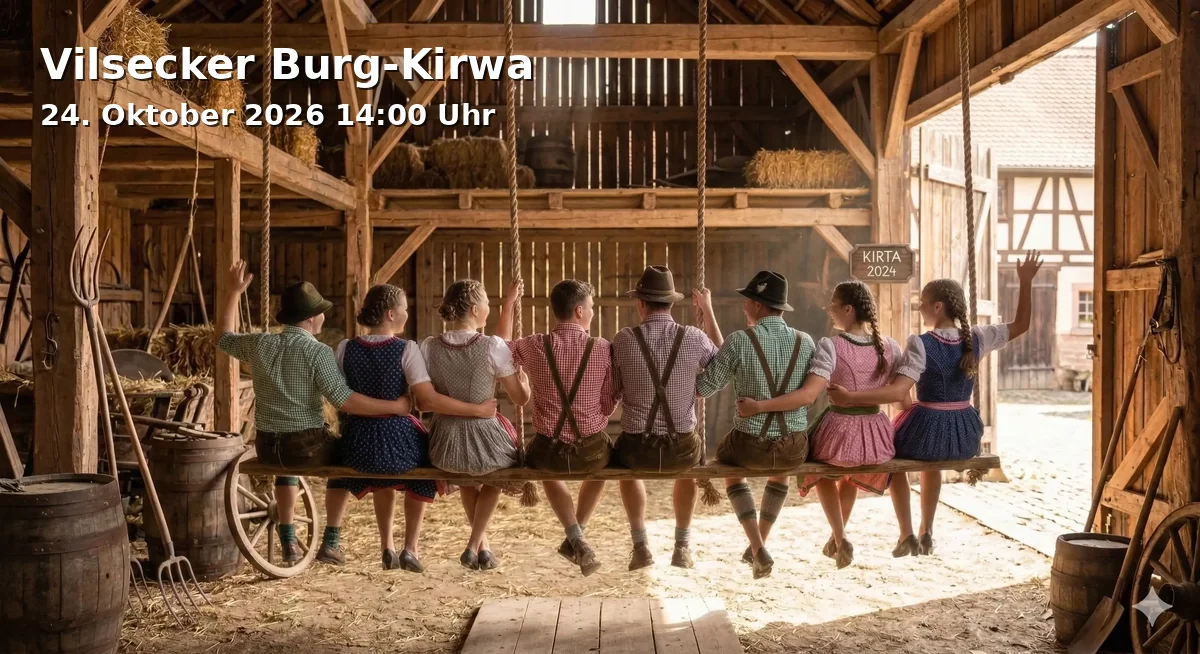
Vilsecker Castle Kirwa
Vilseck through Town and Country
Film Screening: Vilseck through Town and Country

Romantic Christmas Market at Dagestein Castle
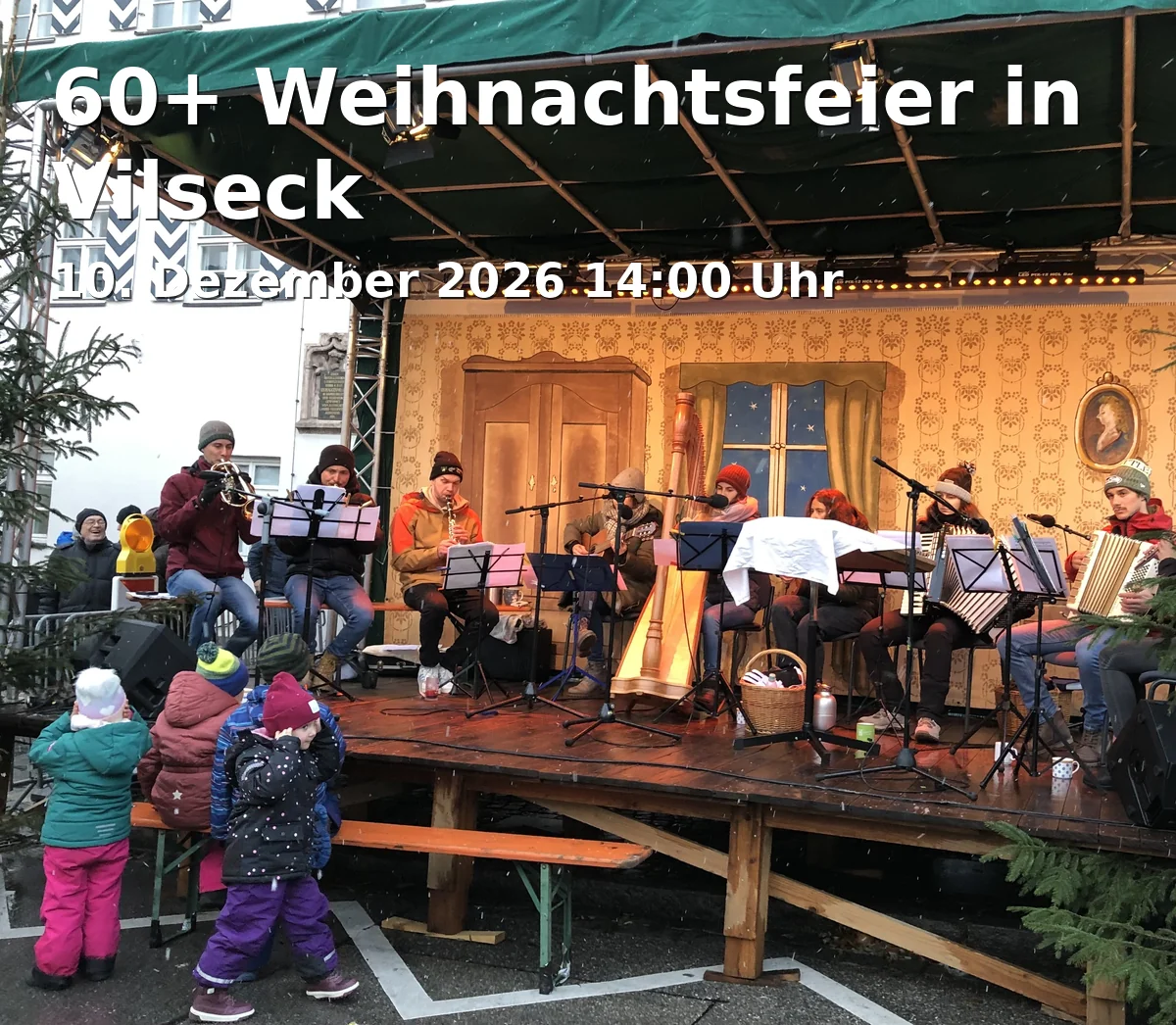
60+ Christmas Party in Vilseck
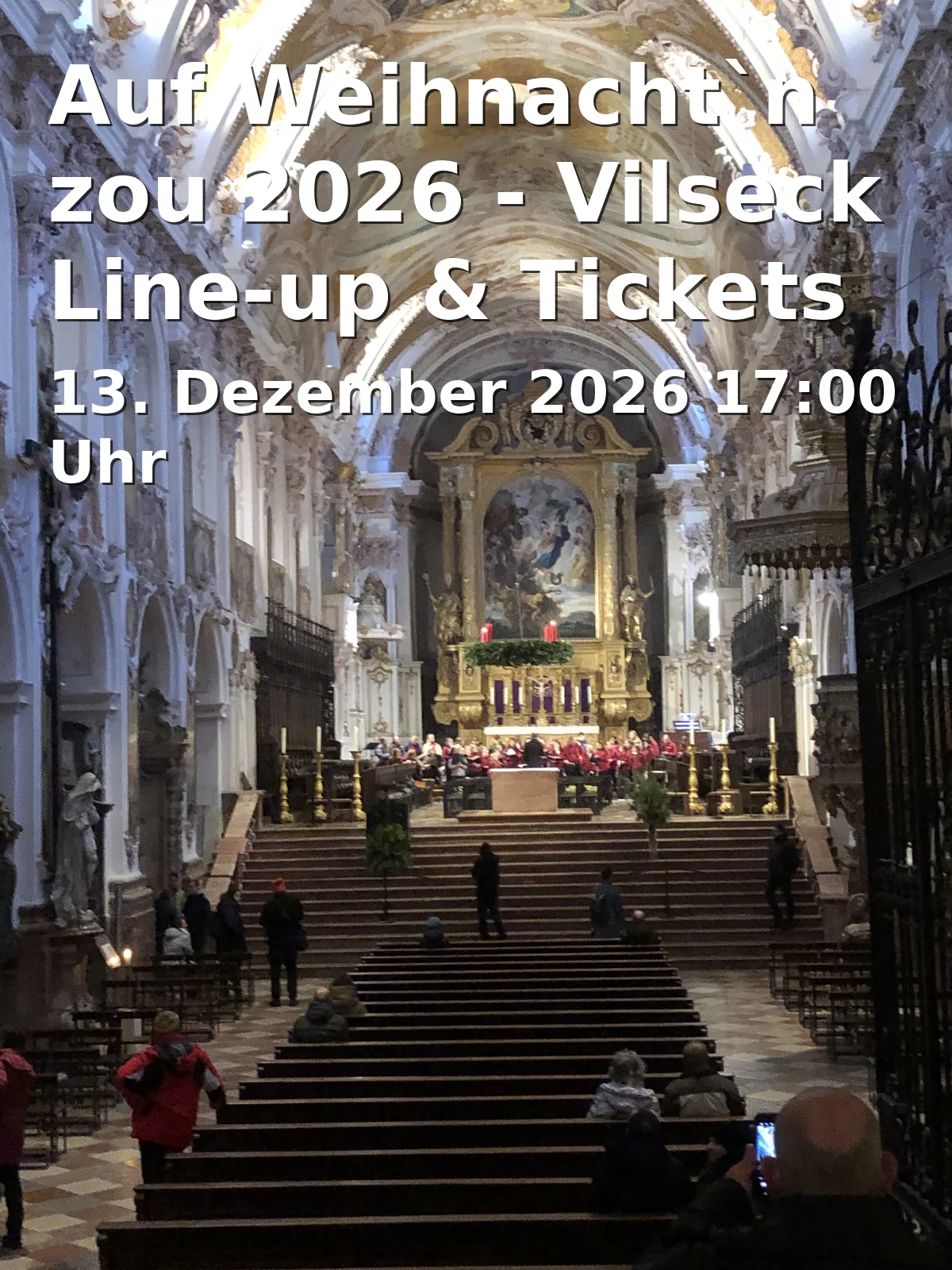
At Christmas`n zou 2026 - Vilseck Line-up & Tickets
Kehraus
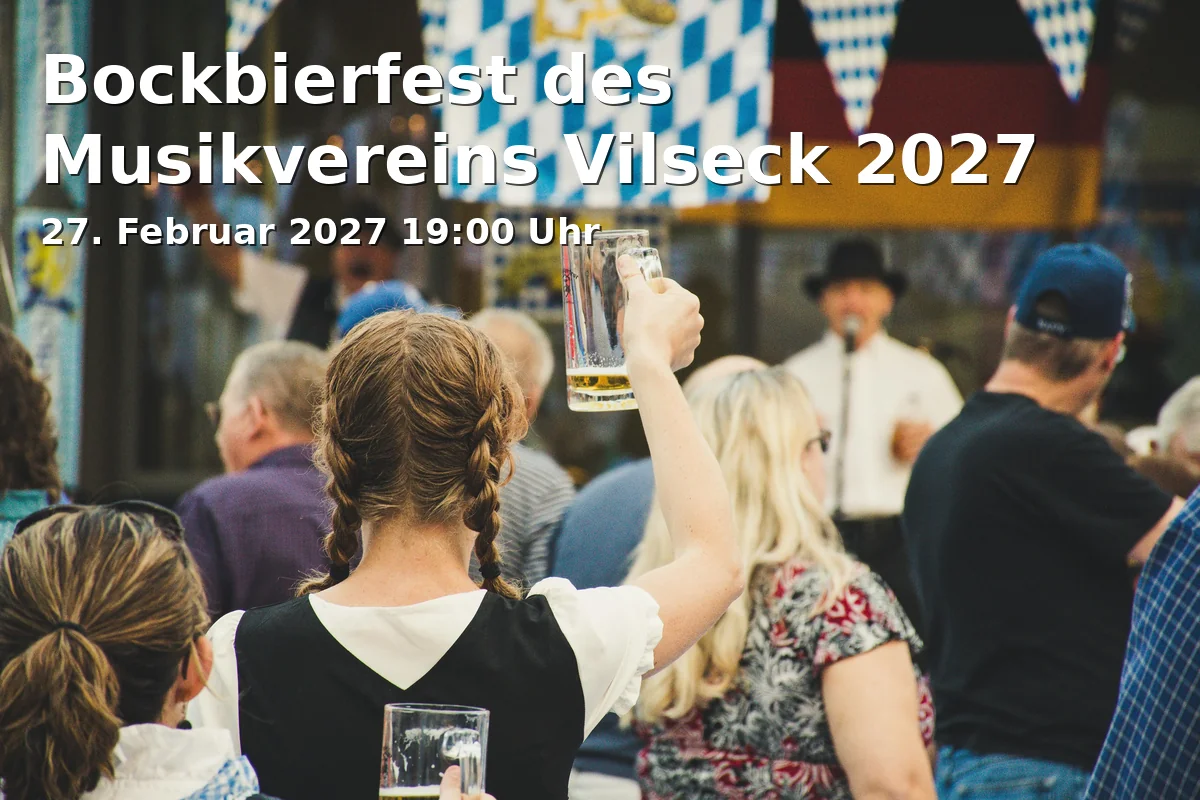
Bockbierfest of the Music Association Vilseck 2027
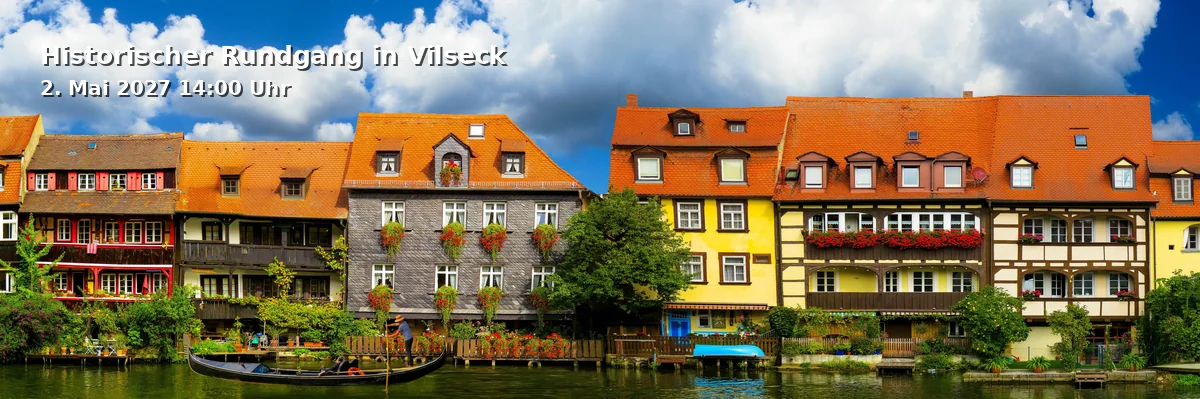
Historical Tour in Vilseck

Cultural Event at Dagestein Castle
Frequently Asked Questions
Reviews
No reviews found