
Philharmonisches Orchester Altenburg Gera
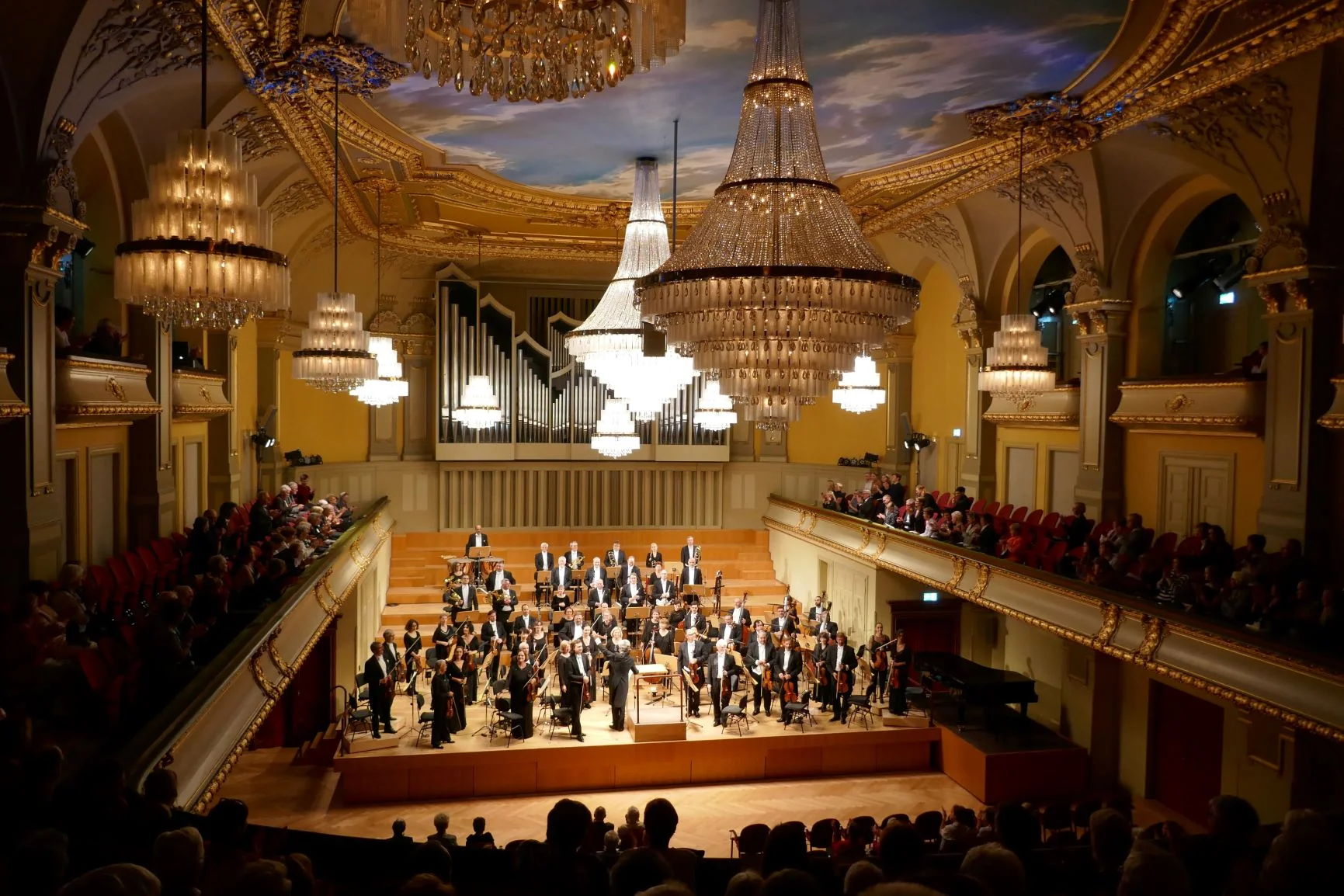
Image from Wikipedia
Image from Wikipedia
Philharmonisches Orchester Altenburg Gera – An Orchestra with History, Vision, and Character
An orchestra that shapes Thuringia – and captivates far beyond
The Philharmonisches Orchester Altenburg Gera is the symphonic heart of the Theater Altenburg Gera and has shaped the musical landscape of East Germany for decades. As a versatile ensemble with a strong stage presence, it performs in the fields of concerts, music theater, ballet, drama, and puppet theater at venues in Altenburg and Gera. Its musical career is rooted in the long tradition of both cities, connecting historical heritage with the present while simultaneously opening windows to the future of symphonic operations.
The artistic development of the orchestra reads like a compendium of musical curiosity: from large symphonic concerts to present operatic and ballet productions, and finely curated chamber music series. In this vibrant cultural region, the ensemble stands for a distinctive sound, curatorial courage, and a production tradition that is documented in radio broadcasts, recordings, and guest performances.
Origin, Fusion, and Identity: How Two Sound Worlds Became One
The current Philharmonisches Orchester Altenburg Gera was formed on August 1, 2000, from the merger of the historic Landeskapelle Altenburg and the Philharmonisches Orchester Gera. Both ensembles brought centuries of history, firmly established concert traditions, and a loyal audience. From this connection, a symphony orchestra emerged that combined the strengths of both sound bodies and shaped a new artistic identity under a common roof – the Theater Altenburg Gera.
This identity is still evident today in a programmatic balance: significant works of classical and romantic music, advanced 20th-century music, as well as contemporary compositions featuring world premieres and premieres. The orchestra also plays productions that merge different genres – music theater, dance, and drama – thus establishing a particularly versatile orchestral culture.
Principal Conductors and Artistic Development
The succession of principal conductors shapes the artistic DNA of the orchestra. After the restart in 2000, Gabriel Feltz led the ensemble into a phase of noticeable profiling. He was followed by Eric Solén, Howard Arman, and – temporarily – Jens Troester. From 2013 to 2020, Laurent Wagner shaped an interpretively focused, dramaturgically intelligent program policy with a particular emphasis on music drama and choral symphony.
Since 2020, General Music Director Ruben Gazarian has been setting clear accents: vibrant tempo dramaturgy, a rich sound palette, refined articulation, and a palpable joy in musical storytelling. The signatures of these musical leaders are evident in repertoire maintenance, carefully balanced arrangements, and productions that allow the orchestra to shine in both operatic and symphonic capacities.
Repertoire, Premieres, and Musical Discoveries
The orchestra programs major symphonic works – from Beethoven to Strauss – just as confidently as repertoire from the 20th century and the present. Particularly notable are premieres and rediscoveries: European and German premieres of contemporary works stand alongside thoughtfully curated rarities from the late romantic period. Such dramaturgical decisions expand audience listening experiences and sharpen the ensemble's sonic character.
In addition to concert projects, the orchestra makes significant contributions to music theater. Productions with great scenic and orchestral density reinforce its reputation as a reliable, flexible, and style-conscious partner, both on and off stage. This versatility is a hallmark of the institution – a symphonic body that operates confidently across all genres.
Seasons 2024/25 and 2025/26: Season Profile and Current Projects
The recent seasons showcase the spectrum from classical tradition to advanced soundscapes. In the Gera concert hall and the Altenburg theater tent, symphonic works from the turn of the century meet color music of modernity. Program ideas such as thematic cycles, debuts of prominent soloists, and world premieres mark a vibrant seasonal structure.
Cross-genre projects and educational formats also strengthen the bond with the audience: moderated concerts, outreach in schools, and family-oriented offerings. This turns the orchestra into a resonating chamber for an entire region – with a tangible cultural impact that extends beyond the concert program.
Discography and Recordings: Sound Images on Record
The discography bridges between core repertoire and captivating rarities. Records underscore the interpretive range: Richard Strauss’ symphonic poem tradition, late romantic orchestral colors, Eastern European sound poetry – all contribute to the resonating archive. Production and post-production focus on transparent recording aesthetics, cohesive balance, and detailed dynamics.
Notable releases include Hans Sommer’s opera "Rübezahl" under Laurent Wagner, as well as repertoire discoveries from the late romantic period (such as Scharwenka and Graener programs). Earlier recordings with Gabriel Feltz also document a strong Strauss and Čiurlionis line. Current digital releases – including excerpts from Marco Giuseppe Agricola's opera "Achille in Sciro" (2024/2025) featuring the orchestra and in-house forces – showcase the present state of production: agile opera practice, precise ensemble performance, and an expanded catalog on streaming platforms.
Chamber Music and Ensemble Culture: The ensemble diX
Chamber music is a crucial aspect of the orchestra's artistic development. The ensemble diX – formed from solo woodwinds of the Philharmonisches Orchester Altenburg Gera – sets standards with innovative programs. Experimental formats, interdisciplinary projects, and unusual lineups combine curatorial imagination with high instrumental precision, deepening the connection between the orchestra, the urban community, and new music.
This chamber platform acts as a laboratory for tone colors, articulation, and timing. It enriches the symphonic work, as the chamber music precision returns to larger orchestral productions – audible in transparency, phrasing awareness, and a breathing ensemble culture.
Excellence, Support, and Networking
The inclusion in federal programs and funding lines underscores the authority of the orchestra. Support for regional large projects documents institutional trust and strategic foresight from the management. At the same time, the orchestra maintains a strong network in Thuringia and beyond – with partners in culture, education, and media.
The Dual Orchestra Academy Thuringia (together with the Jenaer Philharmonie) strengthens the next generation: academy members receive mentoring, rehearsal practice, project responsibility, and stage experience. This has an immediate impact on artistic practice – an investment in competence, sound quality, and the next generation of professional orchestral musicians.
Guest Performances, Collaborations, and Cultural Impact
Guest performances have taken the orchestra to significant halls – from the Frauenkirche in Dresden to Winterthur and the Bucharest Athenaeum. These journeys demonstrate the high interpretive level and adaptability to acoustic spaces. Collaborations with choirs, universities, and international soloists promote an open, curious program culture.
Within the region, the Philharmonisches Orchester Altenburg Gera serves as a cultural backbone: it shapes identity, creates encounters, and conveys music history and the present. This cultural resonance secures the orchestra as a fixed point in Thuringia – with effects extending far beyond the state borders.
Style, Sound, and Signature: An Analysis
Sonic-wise, the ensemble impresses with resonant strings, color-rich woodwinds, prominent brass sections, and precise percussion dramaturgy. The composition of contemporary programs reveals a sense of form and dramaturgy that cleverly balances traditional tonality, expanded harmonics, and spectral colors. The production of recordings pays attention to spatial representation, natural reverberation, and detailed balance – a hallmark of current recording aesthetics.
In music theater, flexibility, stylistic confidence, and singer-friendly transparency characterize the pit sound. In concert, the playing style emphasizes clear articulation, rhythmic precision, and dynamic nuance. Thus, an independent profile emerges that secures the orchestra's place among the defining sound bodies of the Central German orchestral landscape.
Voices of the Fans
The reactions of the fans clearly show: The Philharmonisches Orchester Altenburg Gera captivates people around the world.
- Instagram: “These sound colors – pure goosebumps!”
- YouTube: “An exhilarating evening: Precision, emotion, grand vision.”
- Facebook: “The orchestra makes our city resonate – we want more of this!”
Conclusion: Why You Must Hear This Orchestra
The Philharmonisches Orchester Altenburg Gera combines historical heritage with contemporary art and a forward-looking perspective. It impresses with artistic development, a versatile repertoire, distinctive music theater, a strong discography, and a production tradition that makes quality audible. Anyone wishing to experience the symphonic pulse of a cultural region should discover the upcoming season in the Gera concert hall or the Altenburg theater tent – ideally live, where sound, space, and audience connect into magical concert dramaturgy.
Official Channels of the Philharmonisches Orchester Altenburg Gera:
- Instagram: https://www.instagram.com/theater_altenburg_gera/
- Facebook: https://www.facebook.com/theater.altenburg.gera
- YouTube: https://www.youtube.com/@theater-altenburg-gera
- Spotify: No official profile found
- TikTok: No official profile found
Sources:
- Wikipedia – Philharmonisches Orchester Altenburg Gera
- Theater Altenburg Gera – Official Website
- MIZ – Theater Altenburg Gera (with social media links)
- MIZ – Philharmonisches Orchester Altenburg Gera
- Theater Altenburg Gera – Season Brochure 2024/25
- Jenaer Philharmonie – Orchestra Academy (Dual Orchestra Academy Thuringia)
- WELT – Funding "Excellent Orchestra Landscape Germany"
- Amazon Music – Artist Profile with Releases 2024/2025
- AllMusic – Hans Sommer: Rübezahl (Laurent Wagner / Orchestra)
- ABG-Net – Concert Announcement 2024/2025
- Wikipedia: Image and text source
Upcoming Events
Concert for Minis – Moderated Concert for Families with Children from 0 to 2 Years
8th Philharmonic Concert 25/26
Concert for Minis – Family Concert in Cottbus
9th Chamber Concert: Melancholy and Joy
338. Foyer Concert: From Havana to the Sugar Loaf
Opening Concert of the New Season