
Martin Nimz
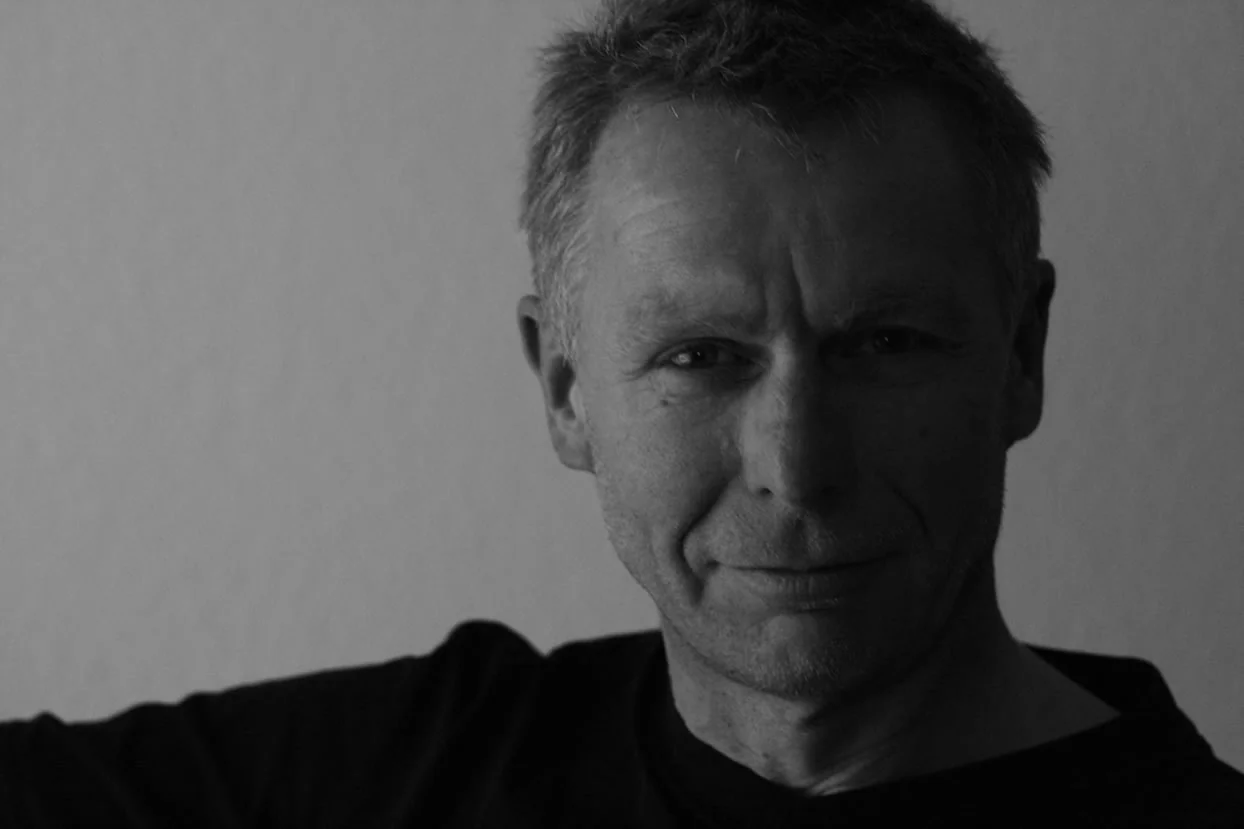
Image from Wikipedia
Image from Wikipedia
Martin Nimz – Director and Actor of Precision, Courage, and Stance
A theater maker who brings material to life
Martin Nimz, born in 1956 in Brandenburg an der Havel, is one of the defining theater directors of his generation. As a trained actor, he found his way to the major stages of the GDR and the Federal Republic early on, before transitioning consistently into directing at the end of the 1980s. His music career in the strict sense does not exist – his art is theater performance. But like a conductor, he shapes language, rhythm, body, and space into a clearly composed overall effect. His artistic development ranges from his early directing work in Chemnitz to leading positions in Kassel and Schwerin, culminating in highly regarded productions at renowned theaters in the German-speaking world.
His stage presence as a former performer, his precise eye for ensemble work, and his dramaturgically sharp interpretations of literary sources lend his evenings a distinct signature and authority. Nimz stands for theater that exposes characters to the core, confronts classics with the present, and takes the audience seriously – aesthetically ambitious, narratively coherent, and politically perceptive.
Biography: Education, Early Engagements, and the Decision to Direct
After studying acting at the State Drama School in Rostock, he took on engagements in Eisenach, Gera, Rostock, and Chemnitz (then Karl-Marx-Stadt). These years on stage sharpened his sensory understanding of text, breath, and timing. From the player's perspective, he developed a practical approach to composition, scene construction, and tension management. In 1989, he realized his first directing works at the Theater Chemnitz, thereby establishing his long-term music career in terms of continuous theater practice: rehearsal-centered, ensemble-oriented, and text-conscious.
With the political upheaval came both opportunities and challenges. Nimz translated material into clear theatrical forms, seeking productive friction between the classical repertoire and contemporary diagnoses. This approach remained a common thread throughout his directorial signature: character psychology meets aesthetic economy, precise arrangement meets concentrated actor guidance.
Career Highlights: Theater Director in Kassel and Schwerin
An important career step was his appointment as the Theater Director at the State Theater Kassel (2002–2004). There, he established himself as a designer with a sense for ensemble development, dramaturgical continuity, and audience-appealing programming architecture. His work combined repertoire care with clear accents: strong classics, intelligent contemporary drama, and precise aesthetic lines.
In the 2016/17 season, Nimz took on the directorship of drama at the Mecklenburg State Theater in Schwerin. The restart was striking: a prominent opening with major classics, pointed interpretations, and the visible handwriting of a director who thinks in terms of both tradition and contemporary issues. Until 2021, he shaped the drama division, developed ensembles, and implemented thematic pathways – a position requiring both artistic expertise and organizational authority, alongside trusting collaboration with dramaturgy and crafts.
Works Directory (Productions): Key Evenings and Premieres
Martin Nimz's work includes classics, modern works, and contemporary literature. Notable productions include performances at Schauspiel Frankfurt – among them "Who's Afraid of Virginia Woolf?", "The Assignment", "The Crucible", "Elective Affinities", and "A Moon for the Loaded". In Magdeburg, he staged Goethe's "Faust I" and "Faust II", and in Karlsruhe, Grabbe's "Duke Theodor of Gothland". At the Mecklenburg State Theater, he was responsible for productions such as Tennessee Williams' "A Streetcar Named Desire", Oscar Wilde's "Bunbury", and the politically charged farewell production "The Citizens of Schilda".
As a director, he also accompanied premieres and first performances, including Dostoevsky's "White Nights" (Chemnitz), Werner Buhss' "The Seventh Seal" (Heilbronn), and "Everything Is Illuminated" based on Jonathan Safran Foer (Heidelberg). These works demonstrate his feel for new material and literary adaptations, translating prose into effective scenic compositions.
Directorial Signature and Style: Precision, Ensemble Leadership, and Dramaturgical Clarity
Nimz's expertise lies in balancing textual fidelity and interpretive clarity. He works on character arcs, precise partner relationships, and physical articulation. His directorial concepts rely on clear arrangements, rhythmically constructed scenes, and a breathing dynamic between dialogue, stillness, and eruptive intensifications. This results in evenings with intelligent composition: musical in timing, clear in articulation, without illustrative excess.
A recurring feature is the penetration of classical material with contemporary perspectives: societal tensions, layers of power and powerlessness, the fragility of individual truths. Set design and spatial understanding follow the logic of the performance: reduced, functional stage designs that allow for transformations; costumes that connect type and time; lighting that sets psychological accents without dominating.
Work at Major Theaters: Frankfurt, Magdeburg, Karlsruhe, Schwerin
Working at diverse venues such as Schauspiel Frankfurt, Theater Magdeburg, the Badisches Staatstheater Karlsruhe, and the Mecklenburg State Theater requires a sense of sovereignty in handling structures, processes, and artistic environments. Nimz knows how to focus ensembles, streamline rehearsal dramaturgies, and efficiently lead production processes. The results are evenings that appeal to both regular audiences and critics: classically trained, contemporary-aware, and technically precise.
His years in Schwerin particularly demonstrate his ability to curate programming with conviction. Classics are not presented in a museum-like manner but as a resonating body of current conflicts. The ensemble acts as a thinking, feeling organism – visibly guided by a director who builds on trust and precision.
Reactions and Critiques: An Enthusiasm for Discourse Rather than Showmanship
Nimz does not polarize for effect but opens up interpretations. Critical voices regarding individual performances are part of the theater’s discourse culture; they often refer precisely to what defines his work: clear definitions, coherent character guidance, and a decisive, at times stern psychology. Other productions receive broad acclaim for tightly connecting text and present-day issues while making the ensemble spirit visible.
This range in feedback underscores his authority as a theater maker. Where theater aspires to be more than decorative art, it needs directors who demonstrate stance, allow friction, and orchestrate voices. Nimz embodies this professionalism – from scenic detail to the overall design of the production.
Artistic Development: From Performer to Creative Director
The professional development from actor to director continues to shape Nimz's perspective today. His rehearsal space is a place of precise listening, where text, partner work, and physicality intertwine. He is aware of the pressures and possibilities on stage, guides precisely without suffocating, and allows the actors to take responsibility for rhythm, subtext, and scenic economy – a training that has lasting effects.
This experience results in the signature of a theater maker who aims not for spectacular tableaux but for the condensation of the human experience. The result is a theater that resonates long after: thematically, emotionally, intellectually.
Current Work Situation and Projects
After his time as Theater Director in Schwerin, Martin Nimz works as a freelance director. His recent productions at the Mecklenburg State Theater – including explorations of Tennessee Williams, Oscar Wilde, and a politically sharpened interpretation of "Die Schildbürger" – mark a continuum where the care of classics meets contemporary drama. The combination of precise text work, concentrated ensemble leadership, and conscious condensation of resources forms the basis for upcoming projects in municipal theater operations.
The theater landscape is changing – economically, socially, aesthetically. Nimz's experience in leadership roles and his expertise in the production of both classic and modern works are qualities that theaters seek for profile building and audience expansion. His artistic development remains an open process, fueled by curiosity, precision, and trust in the power of theater.
Cultural Influence and Context
Martin Nimz stands in the tradition of a German-speaking director's theater that takes the texts seriously while also interpreting them. He combines a strictly conducted character psychology with societal relevance: theater as a space for engagement, not mere illustration. His work strengthens ensembles, promotes dramaturgical precision, and creates evenings that facilitate debates – both within the theaters and among audiences.
This influence is also evident in premieres and literary adaptations, where prose is translated into theater language. Nimz's signature demonstrates that sustainable artistic development is rooted not in effects but in attentive listening and disciplined work on the text. This attitude makes his productions relatable to contemporary discourses – about origins and identity, power and morality, memory and responsibility.
Conclusion: Why Martin Nimz is Important Today
Martin Nimz is among the theater makers who do not merely manage the repertoire but question it. His performances show how classic material shines in contemporary conflicts; how ensemble work builds trust; how precision in direction, arrangement, and production clarifies content. Anyone interested in German municipal theater and its future will discover in Nimz a director with experience, expertise, authority, and reliability – qualities valued by theaters and audiences alike.
Experience Martin Nimz where his art has the strongest effect: live in the theater. His productions demonstrate that carefully composed performance remains one of the most intense forms of contemporary inquiry.
Official Channels of Martin Nimz:
- Instagram: No official profile found
- Facebook: No official profile found
- YouTube: No official profile found
- Spotify: No official profile found
- TikTok: No official profile found
Sources:
- Wikipedia – Martin Nimz
- Theater Bonn – Employee Profile Martin Nimz
- Cultural Portal Mecklenburg-Western Pomerania – State Theater Management (Change 2021)
- Mitteldeutsche Zeitung – "Faust I" at the Mecklenburg State Theater (2016)
- Lübecker Nachrichten – "Die Schildbürger" in Schwerin (2021)
- Schauspiel Frankfurt – Press Kit Season 2008/09 (Productions by Martin Nimz)
- Theaterkompass – New Management Team 2016/2017 in Schwerin
- Wikipedia: Image and Text Source