
Luise Kinseher
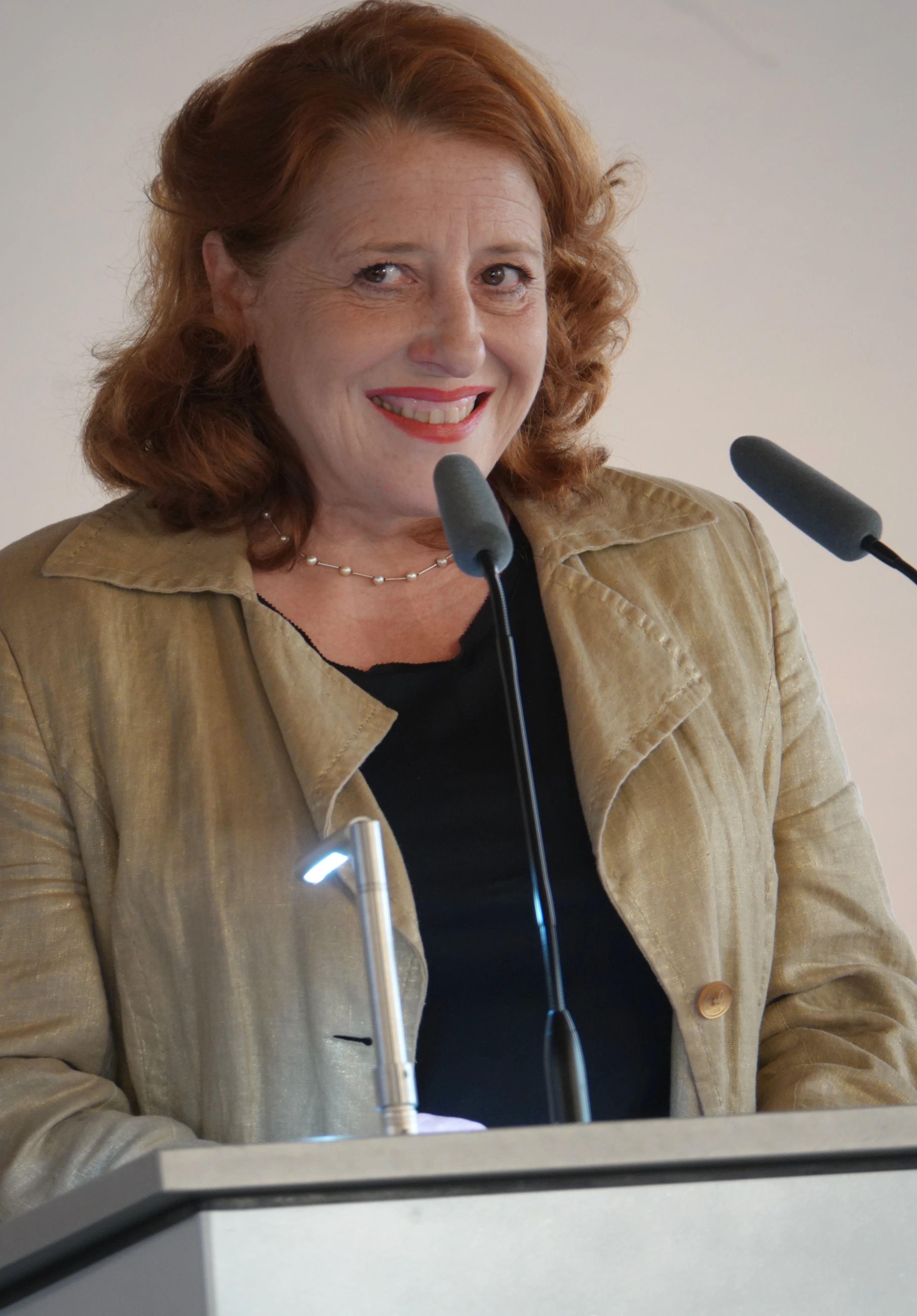
Image from Wikipedia
Image from Wikipedia
Luise Kinseher – Cabaret, Character Roles, and the Voice of Bavaria Between Derblecken and Depth
The Art of the Multiple Award-Winning “Mama Bavaria” – A Fascinating Journey Through Stage Presence, Artistic Development, and Satirical Precision
Luise Kinseher, born on January 4, 1969, in Geiselhöring (Lower Bavaria), is one of the most influential voices in German-speaking cabaret. Her music career in a broader sense – understood as live cabaret, spoken word recordings, and audience-friendly storytelling – combines subtle satire with Bavarian grounding. After studying German literature, theater studies, and history in Munich, she quickly found her way to the stage, honed her stage presence in numerous roles, and developed a distinctive profile that blends political observation, character artistry, and poetic comedy. As “Mama Bavaria,” she held the Salvator Speech during the Derblecken at Nockherberg from 2011 to 2018 – a milestone in her artistic development and a cultural event that resonated far beyond Bavaria.
Biography: From Lower Bavaria to the Big Stages
Growing up in Geiselhöring, Kinseher began her cabaret career in the 1990s, gaining stage experience in Munich ensembles. The early trajectory of her career is characterized by precise character work, where her voice, facial expressions, and timing form her dramatic toolbox. Alongside this, her first solo programs emerged, showcasing her distinct style: pointed observations of everyday life, socially political emphasis, and a sensitive balance between irony and empathy. Her artistic development is also enriched by roles in film and television, connecting both the comedic and serious facets and sharpening her eye for dialogue, scene, and arrangement.
Essential to her authority as a stage personality is the early discovery by director Franz Xaver Bogner, who brought her into prominent TV roles. This provided her with additional resonance while maintaining the core of her cabaret work – the live encounter with the audience. This dual anchoring, both on stage and screen, shaped the lasting recognition of her artistic persona and her real on-stage self.
Career Breakthrough and Cultural Significance: “Mama Bavaria” and the Nockherberg Derblecken
As “Bavaria,” Luise Kinseher shaped the political strong beer festival for years. Under her direction, the Salvator Speech became a satirical status report for the country, navigating between folklore and real politics, between the concept of home and a European horizon. Her stage presence as the “first female Bavaria” marked a turning point in the tradition of Derblecken, which she redefined with vocal variability, subtle role language, and cabaret composition. This segment of her music career – in the context of linguistic music, speech rhythm, and punchline architecture – solidified her reputation as an outstanding interpreter of Bavarian identity debates.
The format also remained a workshop for political satire: Kinseher’s arrangement of spoken-singing rhythm, pause management, and mimically timed accents outlined a stage figure that loves and questions Bavaria – a creative evolution towards an authority that combines dialect colors, local resonance, and intellectual cabaret.
Key Roles on Television: From “Café Meineid” to “München 7”
Besides cabaret, her name is closely associated with Bavarian cult series. In “Café Meineid,” she demonstrates keen characterization within the office milieu – a terrain where she later profiled the precinct chief Thekla Eichenseher in “München 7” with deadpan comedy and empathetic toughness. This TV presence made her character work visible beyond the cabaret audience, deepening her experience with dialogue pace and timing, and strengthening her status as a character actress.
The interplay between camera proximity and stage breadth expands her expressive palette: punchlines are delivered with cinematic precision, while the live format unleashes her improvisational spirit and her instinct for the audience. This dual practice merges composition and performance into a coherent repertoire.
Current Projects 2024–2026: Anniversaries, New Programs, and Media Presence
In recent years, Kinseher has compiled her experience into an anniversary cycle. The program “Mary from Bavary – Finally Solo!” marks a new phase since autumn 2025, where she presents her ensemble of characters with a fresh dramatic arc – a comedic offensive celebrating her 35 years on stage. Additionally, there have been TV recordings and slots, including within the BR environment, making her stage works accessible to a wide audience. Guest appearances in cabaret formats testify to her constant presence in the cultural calendar.
Furthermore, she made a distinct mark with a detour into musical theater: In the 2022/23 season, she appeared at the Bavarian State Opera as the Frog in “Die Fledermaus.” This crossover experience combined humor, spoken singing, and operetta cosmos into a comedic figure that unites musical sense with acting artistry. In 2025, festival and benefit appearances, along with the announcement of further tour dates in 2026, ensured continuity in her repertoire and reach.
Awards and Recognition: From Regional Prizes to the German Cabaret Prize
Kinseher’s discography and stage career reflect a dense award biography: ranging from the Passauer Scharfrichterbeil to the cabaret prize of the City of Munich and the Ernst-Hoferichter Prize to the Bavarian Cabaret Prize. In 2022, she received the prestigious “Salzburger Stier” – an award granted by public broadcasting for outstanding small arts. In 2023, she followed this up with the German Cabaret Prize, affirming her authority in the current cabaret canon. These honors document both artistic quality and a sustainable influence on the cabaret scene.
For music press and cultural critics, Kinseher exemplifies a new kind of cabaret: regionally anchored, politically resonant, and formally varied. She embodies linguistic wit, observational sharpness, and a dramaturgically intelligent performance – traits that uphold her repertoire beyond short-term punchlines.
Discography and Programs: Spoken Word, Live Atmosphere, and Satirical Cycles
Her releases primarily appear as comedy/spoken-word albums that preserve her stage programs and open up new listening spaces. Notable titles include “Schnop. The Way is Gone” (originally from the early 2000s, re-released in later editions in 2018 as an audiobook/album), “Einfach reich” (2011), and “Mamma Mia Bavaria” (2019, double CD). Additionally, earlier collections like “Glück & Co.” (2005) and DVD/CD editions like “Keep Calm” (2015) contribute to a discography that portrays dramatic arcs: from comedic character loops to societal satires and Bavarian identity studies in both large and small formats.
Characteristic of her production aesthetics is punchline-clear recording, audience resonance as acoustic pulse, and a interplay of monologue, dialogue simulation, and miniatures. This production technique anchors the live dynamics in tone and timing, allowing the scenic theater of words to emerge even on recordings. Thus, Kinseher’s programs are not just events of the evening but become repeatable compositions of voice, rhythm, and space.
Style and Technique: Character Cabaret, Timing, and the Poetics of Dialect
Kinseher’s expertise manifests in three axes: first, precise character work, second, subtle timing, and third, the confident integration of dialect as a design element. Her compositions utilize refrain motifs that function like musical leitmotifs. Arrangements arise through shifts in perspective – from the satirical zoom on everyday rituals to the wide-angle capture of political narratives. Dialect does not become exotic here but transforms into a sound body that infuses meaning nuances and fleshes out characters.
Her artistic development shows a growing appetite for hybrid formats: spoken word meets theatrical monologue, cabaret aria meets scenic miniatures. The production of her programs also pays attention to sound balance and language transparency; thus, the punchline remains clear, the dramaturgy breathes, and the punchline sets itself in space like a musical accent.
Cultural Influence: Bavaria as a Mirror of the World
Kinseher envisions Bavaria as a cultural-poetic microcosm. In “Mamma Mia Bavaria” or as “Bavaria” at Nockherberg, she negotiates global themes through local codes: home, Europe, diversity, political style. This cultural positioning – from beer mats to the globe – demonstrates how cabaret opens up discourses without losing humor. The genre gains social depth with her: laughter as a form of cognition, satire as a civic school of observation.
In TV productions and live recordings, she also acts as a multiplier for small art formats. The reception in press and broadcasting – from features to airtime slots – confirms the reach of her work and places it in the canon of contemporary satire that respects tradition and measures the present.
Media Presence and Collaborations: Stage, Broadcasting, Operetta Stage
Alongside concert and theater houses, BR formats, media libraries, and cultural programs provide a permanent showcase for her art. Collaborations with institutions like the Bavarian State Opera further demonstrate the compatibility of her performance with musical stages – a reference to the historical bond between cabaret, operetta, and spoken singing. This creates a “multichannel presence” that doesn't have to be founded in social media, but on curated cultural spaces with journalistic quality.
This strategy strengthens credibility and long-term impact: content remains findable, quotable, and documents quality standards important for her classification in cultural history and critical landscape. This reveals a clear thematic leadership to search engines: cabaret, Bavaria, character art, political wit – bundled under one name.
Conclusion: Why Experience Luise Kinseher Live?
Because her performances show how language sounds when it is both musically timed, socially precise, and humanly generous. Her discography and programs connect humor and attitude, dialect and debate, composition and improvisation. Anyone who values cabaret as a living art of the moment will find in Luise Kinseher an artist who grounds grand themes through small observations – and plays small moments with a big heart. Recommendation: secure tickets in advance and experience this stage presence live – where timing, text, and audience merge into an unforgettable evening.
Official Channels of Luise Kinseher:
- Instagram: No official profile found
- Facebook: No official profile found
- YouTube: No official profile found
- Spotify: No official profile found
- TikTok: No official profile found
Sources:
- Luise Kinseher – Official Website
- Luise Kinseher – Vita (PDF, Management/Presse Information)
- Wikipedia – Luise Kinseher
- Bavarian State Opera – Biography Luise Kinseher
- Münchner Merkur – Nockherberg 2025: Kinseher’s Comeback (Report)
- Antenne Bayern – German Cabaret Prize 2024: Note on Award Winner 2023 (Kinseher)
- Apple Music – Luise Kinseher (Discography/Spoken Word)
- Amazon Music – Luise Kinseher (Releases)
- Fernsehserien.de – Luise Kinseher: Live on Stage! (Broadcast Note/Format)
- Wikipedia – Karli & Marie (Filmmaking, 2025)
Upcoming Events
Luise Kinseher – MARY FROM BAVARY - Finally SOLO!
Luise Kinseher: Mary from Bavary
FUNFACTS - Host: Luise Kinseher
Luise Kinseher live in Munich
Luise Kinseher: Mary from Bavary - Finally Solo! in Munich
Luise Kinseher
Luise Kinseher - Mary from Bavary: Finally SOLO in Fürth
Fisher Wedding 2026 in Tutzing
Festival Days at the Lake: Luise Kinseher is coming!