
Helga Schubert
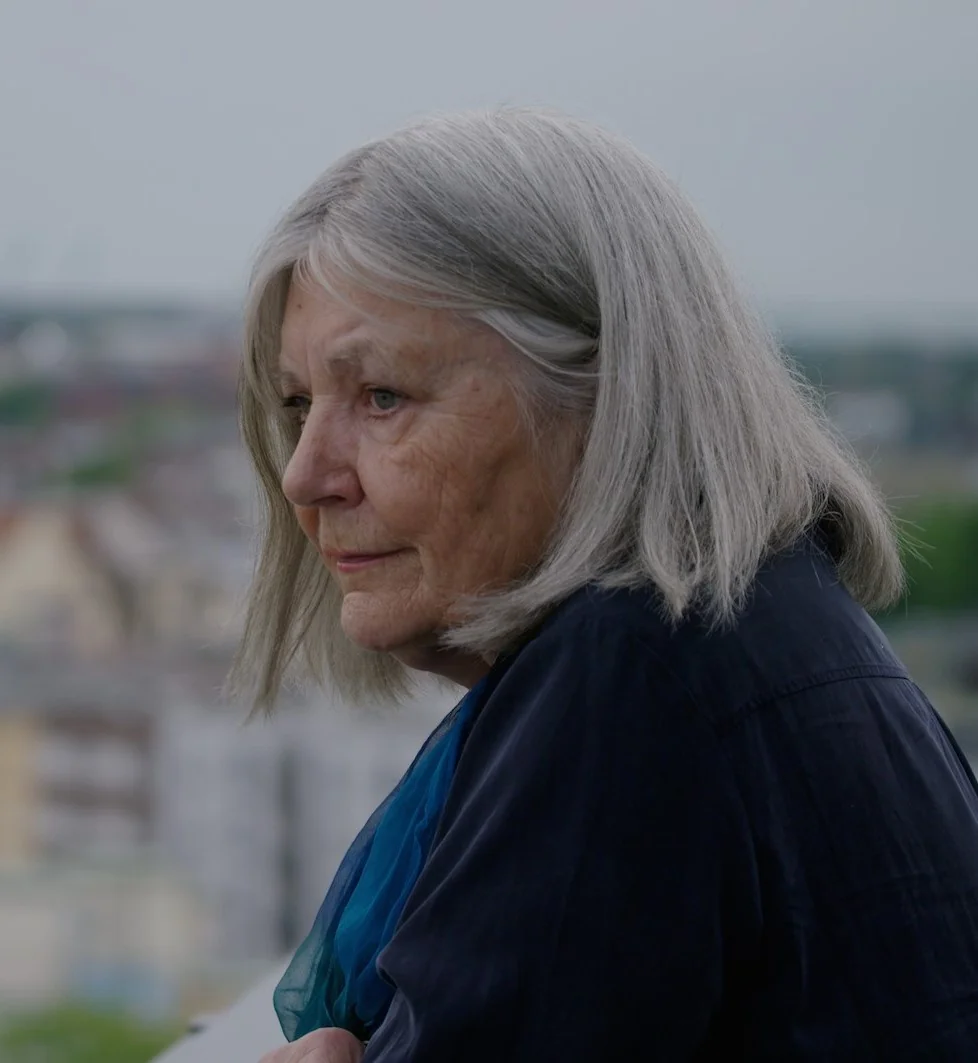
Image from Wikipedia
Image from Wikipedia
Helga Schubert – Chronicler of Everyday Life, Voice of Reconciliation, Icon of Contemporary German Literature
A Life Journey from Berlin to Neu Meteln: How a Psychologist Became a Pivotal Narrator of German Literature
Helga Schubert, born on January 7, 1940, in Berlin, is one of the most impressive voices in German literature. Trained as a psychologist and celebrated as a writer, she early on combined clinical experience, keen observation, and stylistically clear, empathetic prose. Her writings traverse the landscapes of wartime childhood, everyday life in the GDR, periods of change, and the delicate, attentive present of aging. In 2020, she achieved a significant late breakthrough with the story "Vom Aufstehen," winning the Ingeborg Bachmann Prize and suddenly coming to the attention of a broad public. Today, Schubert lives a reclusive life near Schwerin and continues to write about what constitutes life: closeness, loss, responsibility, dignity. ([de.wikipedia.org](https://de.wikipedia.org/wiki/Helga_Schubert))
Early Years and Education: Psychology as the Foundation of Literary Voice
Growing up in East Berlin, Helga Schubert passed her A-levels in 1957 and studied psychology at Humboldt University from 1958 to 1963. For many years, she worked clinically in psychotherapy and in the training of conversation therapists. This professional practice shaped her literary perception: characters are not merely illustrated but treated seriously in their inner logic, ambivalences, affects, and micro-gestures. The combination of psychological craft and literary form became a hallmark of her artistic development – explaining her exceptional accuracy in composing scenes from everyday life. ([de.wikipedia.org](https://de.wikipedia.org/wiki/Helga_Schubert))
First Publications in the GDR: Precision, Courage, and a Focus on Everyday Life
Since the mid-1970s, Schubert published volumes of stories, radio plays, and television plays. With "Lauter Leben" (1975) and "Das verbotene Zimmer" (1982), she made significant marks: short, clearly structured prose pieces that work with quiet tension, rhythm, and artistic compression rather than with pathos. Her literary technique – an economy of means, dramaturgically finely balanced perspectives, and a feel for the unsayable – positions her in literary history as a precise observer of everyday life in the GDR. ([literaturfestival.com](https://literaturfestival.com/authors/schubert/))
Documentary Power: "Judasfrauen" and the Narrative Against Forgetting
In the early 1990s, Schubert caused a stir with "Judasfrauen" (1990), where she documented cases of female denunciation during the National Socialist regime. The book showcases her authority in handling archival research and source criticism – an authoritative connection of factual fidelity, historical contextualization, and literary design. Her stance: no accusatory posture, but moral precision and linguistic reduction that conveys responsibility to the readers. ([de.wikipedia.org](https://de.wikipedia.org/wiki/Helga_Schubert))
Political Vigilance and Civil Courage: Between Observation and Engagement
Schubert's biography also tells of conflict and courage. Between 1976 and 1989, she was monitored by the Ministry for State Security – a sign of how seriously the societal power of literature was taken. All the more remarkable was her later role in 1989/90 as a non-partisan spokesperson at the Central Round Table in East Berlin. These biographical axes – surveillance, responsibility, public life – sharpened her compass as a writer, who not only describes experiences but ethically interrogates them. ([de.wikipedia.org](https://de.wikipedia.org/wiki/Helga_Schubert))
The Late Triumph: Ingeborg-Bachmann-Preis 2020 and the Resounding "Vom Aufstehen"
In June 2020, Helga Schubert won the Ingeborg-Bachmann Prize – at the age of 80, with a narration that exemplarily shows how autobiographical experience, composition, and linguistic economy intertwine. The jury highlighted the "refinement" and the touching structure; newspapers like FAZ and ZEIT emphasized the literary power of this "century narrative." The win changed the perception of her entire discourse of storytelling – a catalog of human tones built on resonance. ([zeit.de](https://www.zeit.de/kultur/literatur/2020-06/klagenfurt-helga-schubert-ingeborg-bachmann-preis?utm_source=openai))
Returning with Force: "Vom Aufstehen" (2021), "Der heutige Tag" (2023), and "Luft zum Leben" (2025)
In 2021, "Vom Aufstehen. Ein Leben in Geschichten" was published – a volume nominated for the Leipzig Book Fair Prize that masterfully explores the form of the autobiographical miniature. In 2023, "Der heutige Tag. Ein Stundenbuch der Liebe," a poetic, radically honest narrative composition about care, illness, and the dignity of the other, followed. In 2025, "Luft zum Leben. Geschichten vom Übergang" bundled texts from seven decades – a vibrant archive of personal and collective experiences, which has been read with respect by critics and literary pages. The development of her work shows a consistent artistic condensation: from dense GDR prose to the grand narrative score of memory. ([dtv.de](https://www.dtv.de/buch/vom-aufstehen-25129?utm_source=openai))
Awards and Recent Honors: Authority Through Work and Impact
In addition to early prizes such as the Heinrich-Greif-Preis (1983), the Heinrich-Mann-Preis (1986), and the Hans-Fallada-Preis (1993), the recent honors mark her enduring relevance: in 2024, Helga Schubert received the Federal Cross of Merit; in the same year, she was awarded the State Culture Prize of Mecklenburg-Vorpommern. These awards honor a music career of storytelling – a presence on paper that artistically makes societal coexistence, reconciliation, and responsibility audible. ([bundespraesident.de](https://www.bundespraesident.de/SharedDocs/Berichte/DE/Frank-Walter-Steinmeier/2024/10/241001-Verdienstorden-TdDE.html?utm_source=openai))
Between Camera and the Sound of Language: "Sonntagskind" as a Cinematic Closest Look
The documentary film "Sonntagskind – The Writer Helga Schubert" (2023) follows the author through her present life – with readings, conversations, and quiet moments. The portrait shows artistic development as a way of life: writing as a daily practice in presence, attentiveness, and discipline. Thus, it becomes apparent how closely the composition of her texts remains tied to lived experience – and how art does not distort reality, but rather deepens it. ([de.wikipedia.org](https://de.wikipedia.org/wiki/Sonntagskind_%282023%29?utm_source=openai))
Language Workshop: Style, Poetics, and Cultural Historical Contextualization
Style Analysis: Composition of the Miniature, Economy of Means, Human Accuracy
Schubert's prose works with condensation, precise syntax, and dramaturgically placed gaps. The short forms utilize cutting techniques, changes in perspective, rhythmic sentences, and pointed detailing: sounds, smells, attitudes become leitmotifs that open psychological spaces. Her narrative stance remains strict yet attentive; she composes an arrangement of reality from fragments of dialogue, flashes of memory, and scenic arrangements, whose melodic line consists of empathy. The outcome: literature as a chamber musical form – intimate, concentrated, lasting. ([dtv.de](https://www.dtv.de/buch/vom-aufstehen-25129?utm_source=openai))
Themes and Motifs: Memory, Responsibility, Dignity
Whether it's the mother-daughter relationship, wartime childhood, present-day GDR, the turning point, or caring for a beloved partner – Schubert intertwines private experience with contemporary history. From a psychologist's perspective, she sheds light on ethical dilemmas without moralizing: guilt and forgiveness, closeness and distance, freedom and conformity. In "Der heutige Tag," she explores the grammar of care; in "Luft zum Leben," she examines transitions – topographical, biographical, psychological. This thematic continuity and development underpin her authority in the German-language literary space. ([dtv.de](https://www.dtv.de/buch/der-heutige-tag-28319?utm_source=openai))
Cultural Influence: A School of Attention
Helga Schubert's texts have become companions: in reading circles, literary columns, radio conversations, and literary houses. Her influence lies not in scandal but in a school of attention – in a language that sets the tone for trust in what can be narrated. The reception by major media after the Bachmann Prize, the publishing care for the oeuvre, and her continued presence at events all attest to: her literature acts as a quiet yet lasting voice in the concert of the present. ([faz.net](https://www.faz.net/aktuell/feuilleton/buecher/bachmannpreis-fuer-helga-schubert-16824613.html?utm_source=openai))
Bibliography and Major Publications (Selection)
Story collections and prose: Lauter Leben (1975); Das verbotene Zimmer (1982); Judasfrauen (1990); Die Welt da drinnen (2003, new edition in 2021 by dtv); Vom Aufstehen. Ein Leben in Geschichten (2021); Der heutige Tag. Ein Stundenbuch der Liebe (2023); Luft zum Leben. Geschichten vom Übergang (2025). This body of work showcases the range from documentary access to compositional miniature. ([literaturfestival.com](https://literaturfestival.com/authors/schubert/))
Awards and Honors (Selection)
Heinrich-Greif-Preis (1983), Heinrich-Mann-Preis (1986), Hans-Fallada-Preis (1993), Ingeborg-Bachmann-Preis (2020), Federal Cross of Merit (2024), State Culture Prize of Mecklenburg-Vorpommern (2024). This sequence documents an artistic development that was recognized early, sustained for decades, and newly honored in later life. ([de.wikipedia.org](https://de.wikipedia.org/wiki/Helga_Schubert))
Conclusion: Why Read Helga Schubert Now – and Experience Her Live
Helga Schubert transforms life into literature – and literature into life assistance without a self-help tone. Her books demonstrate how memory, responsibility, and love find form: as precise narrative, as quiet composition, as humane gesture. Those who appreciate contemporary literature not as effect art but as art of intimacy will find a master in Schubert's work. Encounter this voice at readings: the stage presence of her language – calm, clear, and attentive – makes what one calls "artistic development" immediately experienceable. ([dtv.de](https://www.dtv.de/autor/helga-schubert-477?utm_source=openai))
Official Channels of Helga Schubert:
- Instagram: No official profile found
- Facebook: No official profile found
- YouTube: No official profile found
- Spotify: No official profile found
- TikTok: No official profile found
Sources:
- Wikipedia – Helga Schubert
- dtv – Foreign Rights: Helga Schubert
- dtv – Der heutige Tag. Ein Stundenbuch der Liebe (2023)
- dtv – Luft zum Leben. Geschichten vom Übergang (2025)
- Deutschlandfunk Kultur – Review "Luft zum Leben" (December 1, 2025)
- DIE ZEIT – Bachmann Prize for Helga Schubert (June 2020)
- FAZ – Bachmann Prize for Helga Schubert (June 2020)
- ORF FM4 – Helga Schubert Wins the Ingeborg Bachmann Prize 2020
- Federal President – Award Ceremony for the Day of German Unity (Federal Cross of Merit 2024)
- State of Mecklenburg-Vorpommern – State Culture Prize 2024 for Helga Schubert
- International Literature Festival Berlin – Author Page Helga Schubert
- ARD Mediathek – "Sonntagskind – The Life of Helga Schubert" (NDR, October 3, 2024)
- dtv Magazine – Federal Cross of Merit for Helga Schubert (October 2024)
- Wikipedia: Image and text source
Upcoming Events
Photo Exhibition Longing for Cold – Helga Schubert