
Heinz-Josef Braun
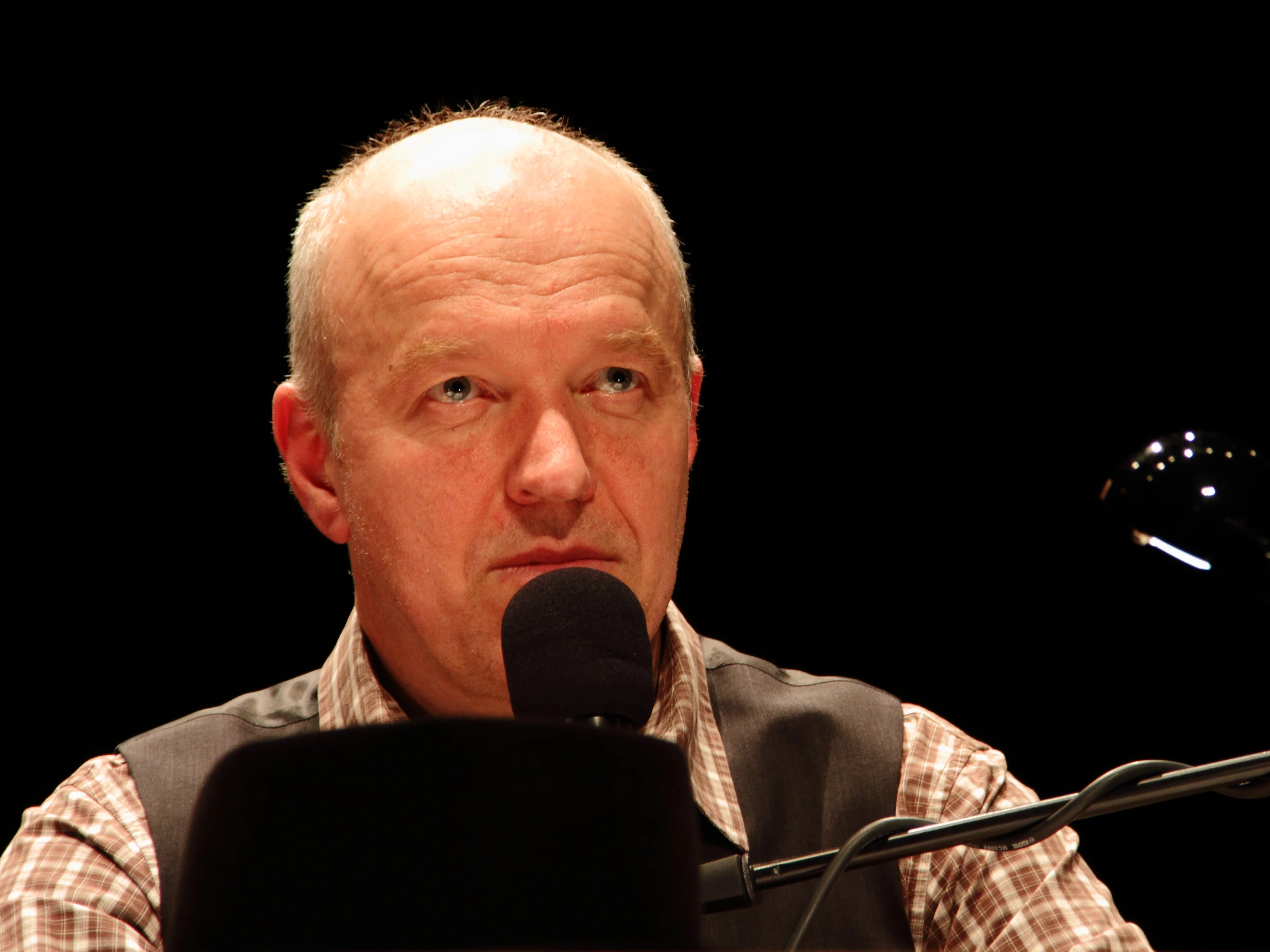
Image from Wikipedia
Image from Wikipedia
Heinz-Josef „Dscharli“ Braun – Musician, Actor, Cabaret Artist: A Bavarian Multi-Talent with Depth
From Bass with Haindling to the Big Stage: The Multi-Faceted Music Career and Artistic Development of an Exceptional Artist
Heinz-Josef Braun, born on December 31, 1957, in Munich, has shaped the Bavarian cultural and music scene for decades. As a guitarist and bassist, he began his music career in the 1970s before spending 18 years influencing the legendary band Haindling as their bassist. At the same time, he developed a distinctive stage presence as an actor and cabaret artist, characterized by cinematic precision, humor, and musical sensibility. Today, Braun combines composition, production, acting, and live audio plays into an artistic signature that is equally poetic, down-to-earth, and timeless.
Background, Education, and Early Steps: Shaping a Stage Person
Growing up in Munich, Braun purchased his first electric guitar at 14 – the starting point of a career soon shaped by rehearsal rooms, band projects, and early gigs. After graduating from high school and completing his civil service, he studied painting at the Munich Academy of Fine Arts. This visual thinking is evident in his music: his arrangements possess visual qualities, and his timing in theater and film reveals a sensitivity to dramaturgy, rhythm, and nuances. In the mid-1970s, he played as a guitarist and bassist in formations like Superlippe, Vitale, No-Nos, and Verkommener Adel – a corridor of musical experiences that sharpened his stylistic range and solidified his stage presence. This early artistic development laid the foundation for a career straddling genres, line-ups, and forms of expression.
Music Career with Haindling (1983–1999/2000): Sound Colors Between Pop, World Music, and Bavarian Avant-garde
In 1983, Braun joined Haindling as a bassist – the band founded by Hans-Jürgen Buchner, which created a distinctive musical identity with its quirky sound mixtures, brass colors, and Bavarian dialect. During this phase, Braun learned to integrate groove, melody, and sound architecture into a collective that moved beyond conventional pop templates. The live dynamics of the band and their keen sense for orchestral textures honed his ear for arrangement and production. Tours, studio work, and the daily concert moment shaped Braun's musical handwriting – always grounded, rhythmically precise, with room for humor and reflection. In early 2000, he parted ways with Haindling for organizational reasons to focus on his own projects in film, theater, and audio drama. Nonetheless, this phase remains a central pillar of his discography and artistic development. [Source note: Biography and Haindling sections from the official website and band history]
Acting: Precision, Comedy, and Character Depth in Front of Camera and Audience
Braun was introduced to acting through impulses from his later wife, actress Johanna Bittenbinder. He undertook training and early roles, including in “Xaver and his Alien Friend.” By the late 1980s, he had established himself as a busy character actor through theater work and TV productions. His filmography includes numerous feature films and television works, including the Rosenmüller films “Wer früher stirbt, ist länger tot” (as Gumberger) and “Beste Gegend,” as well as plays such as “Sommer in Orange” and TV work from ZDF to ARD. In the black comedy “Schluss! Aus! Amen!” Braun impressed in a lead role with laconic delivery, timing, and subtle humor – an acting performance that sharpened his profile between accessibility and precision in performance. This shifting between roles, genres, and tonalities makes his expertise visible: he combines musical timing with acting economy and linguistic nuance.
Audio Plays, Composition, Production: Sound Stories from Bavaria
Alongside acting, Braun established his own studio and composition profile. He writes and produces music for cabaret programs, theater, film, and audio plays. Together with Johanna Bittenbinder, he created the first self-produced live audio play “Tannöd” in 2008. In the following years, Braun regularly voiced and composed for Bavarian Broadcasting, developed audio plays and recordings, and shaped his own acoustic aesthetics – drawing from storytelling, pointed sound design, and melodic brevity. This field of work documents experiential knowledge from production, arrangement, and composition: Braun thinks in scenes, dialogue spaces, and moods; his music serves the story while remaining unmistakably his own.
“Jennerwein” and the Art of Live Audio Plays: Stage Experience with “Wild Bird” Music
With “Jennerwein – A Bavarian Live Audio Play with Wild Bird Music,” Braun, together with Stefan Murr, Johanna Bittenbinder, and the Art Ensemble of Passau, put a spotlight on a production that combines tradition, popular culture, and sound storytelling. The production narrates the colorful life of Georg Jennerwein as a theatrical-musical narrative panorama: changing roles, scenic condensation, and pointed musical interjections. The result is an exhilarating stage experience that demonstrates how Braun organically connects literary material, stage presence, and musical arrangement. The music – featuring tuba, trombone, percussion, trumpet, accordion, and tenor horn – gives the scenes pulse and color, while the ensemble breathes life into the characters with humor and empathy. Tour dates and ongoing performances show that this format consistently finds an audience and has become a staple brand, particularly in Bavaria.
Bavarian Fairy Tales with Stefan Murr: Story Theater, Song Form, and Community
Since 2010, Braun has been collaborating with actor and author Stefan Murr to create Bavarian fairy tale adaptations for children and adults – from “Bavarian Snow White” to the “Bavarian Bremen Town Musicians,” complemented by amusing insect crime stories like “Beetle Mary.” These productions combine narrative lightness with musical insertions, changing roles, and a humorous, respectful view of the classics. Their audience spans generations: children laugh at characters, songs, and pace; adults enjoy dialect, wordplay, and subtext. This results in a cultivated storytelling theater that merges regional sound, pop appeal, and literary fantasy – a compelling example of applied music and theater pedagogy without being didactic, yet with a clear dramatic line.
Style, Influences, and Musical Language: Between Groove, Dialect, and Imagery
As a bassist, Braun thinks from the ground up: timing, pulse, and sound balance dictate his understanding of composition and arrangement. From his time with Haindling, he draws those sensitive mixes of brass colors, percussion, and melodic lines that he later transferred to the stage and into the studio. The dialect functions as a musical timbre that merges text and tone. In audio plays and live productions, Braun works with thematic motifs, percussive accents, and harmonic condensing that frame moods and open scenes. This signature is still perceptible even when he is seemingly ‘only’ delivering text as an actor – his sensitivity to pauses, phrasing, and the sound of language is musical.
Discography and Selected Works: From Band History to Stage Recordings
The most significant discographic phase spans Braun's years with Haindling (1983 to 1999/2000). As a bassist, he contributed to the ensemble sound and live recordings that made Haindling known beyond Bavaria. This section is supplemented by recordings and excerpts from the live audio plays and broadcast productions in which Braun was involved as a speaker, musician, or producer. Although the discography does not appear as a solo catalog in the traditional pop star sense, it collectively forms a dense network of band recordings, audio play productions, and film music contributions. Critical reactions from the TV and film press regularly highlight Braun's naturalness, comedic precision, and role intelligence – qualities that correspond to the musical ear for rhythm, tempo, and atmosphere.
Filmic Milestones and Resonance: Rosenmüller Cosmos and TV Presence
“Wer früher stirbt, ist länger tot” marks a cinematic high point, where Braun's performance shines within the context of Bavarian tragicomedy. Other milestones such as “Sommer in Orange” or “Beste Gegend” as well as TV productions from crime formats to provincial satire showcase the richness of his roles. A lead role in “Schluss! Aus! Amen!” demonstrates his ability to portray everyday characters with dignity, warmth, and wit – far from clichés, close to humanity. Braun’s long-standing presence in German television underscores his authority as a character actor and storyteller with a musical soul.
Cultural Significance: Bavaria as a Sound Space – and Beyond
Braun represents a Bavarian culture that is open, ironic, and capable of dialogue. His work bridges gaps between music and acting, between children's audiences and adults, and between folk roots and artistic ambition. In a media landscape often aiming for quick effects, he emphasizes storytelling, atmosphere, and craftsmanship. His work shapes the regional cultural landscape, yet through quality and attitude, it resonates far beyond Bavaria. Ongoing collaborations with ensembles, authors, broadcasters, and theaters attest that this artistic model is sustainable, audience-friendly, and artistically ambitious.
Current Projects (2024–2026): Live Audio Plays, TV Roles, New Stage Plans
Recent activities include ongoing and upcoming performances of “Jennerwein – A Bavarian Live Audio Play,” dates for Bavarian fairy tale formats, and TV roles in current productions. The combination of stage, audio play, and camera remains Braun's creative center. His continued work in speaking, composing, and producing ensures that his art is resilient and versatile: a repertoire that constantly grows and renews without losing its roots. For cultural organizers, Braun is thus a reliable anchor: high artistic quality, strong live impact, and a clear dramatic signature.
Conclusion: Why Should We Experience Heinz-Josef Braun Today?
Because his art thinks, narrates, and touches musically. Because he condenses groove, dialect, and imagery into a unique language. Because he shines in ensembles and captivates solo. And because his productions – whether “Jennerwein,” the Bavarian fairy tales, audio plays, or films – show how music, acting, and storytelling interweave. Anyone wishing to experience Bavarian culture as lively, multi-voiced, and humorous should see Heinz-Josef Braun live – best in settings where language, music, and audience become a shared experience.
Official Channels of Heinz-Josef Braun:
- Instagram: No official profile found
- Facebook: No official profile found
- YouTube: No official profile found
- Spotify: No official profile found
- TikTok: No official profile found
Sources:
- Heinz-Josef Braun – Official Website
- Crew United – Profile Heinz-Josef Braun
- schauspielervideos.de – Profile and Filmography
- ARD Degeto – “Schluss! Aus! Amen!” (Film page)
- Wikipedia – “Wer früher stirbt, ist länger tot”
- Heinz-Josef Braun – Music (Audio Plays, Haindling, Productions)
- Heinz-Josef Braun – Self-Productions (“Jennerwein,” “Tannöd,” etc.)
- chartsurfer.de – Haindling Biography and Casts
- Wikipedia: Image and Text Source
Upcoming Events
The Bavarian Little Red Riding Hood – Fun Live Audio Play for Young and Old
Heinz-Josef Braun & Stefan Murr: Radio Plapperzahn
Heinz-Josef Braun & Stefan Murr – Radio Chatterbox
The Bavarian Bremen Town Musicians