Discover Children's University & Science Events in Amberg
Children's University & Science Events in Amberg: Preview of Upcoming Dates & Formats
Amberg will once again offer several formats in the coming months where science can be experienced publicly, understandably, and in a family-friendly way: from lecture series for all interested parties to campus evenings with hands-on stations to programs specifically for children and school classes. This overview summarizes the most important event types, shows who they are intended for, and explains how you can reliably find and plan upcoming dates.
Note: Specific dates, times, and registration deadlines are published by the respective organizers and may change. The current information on the official pages is always binding (see sources at the end).
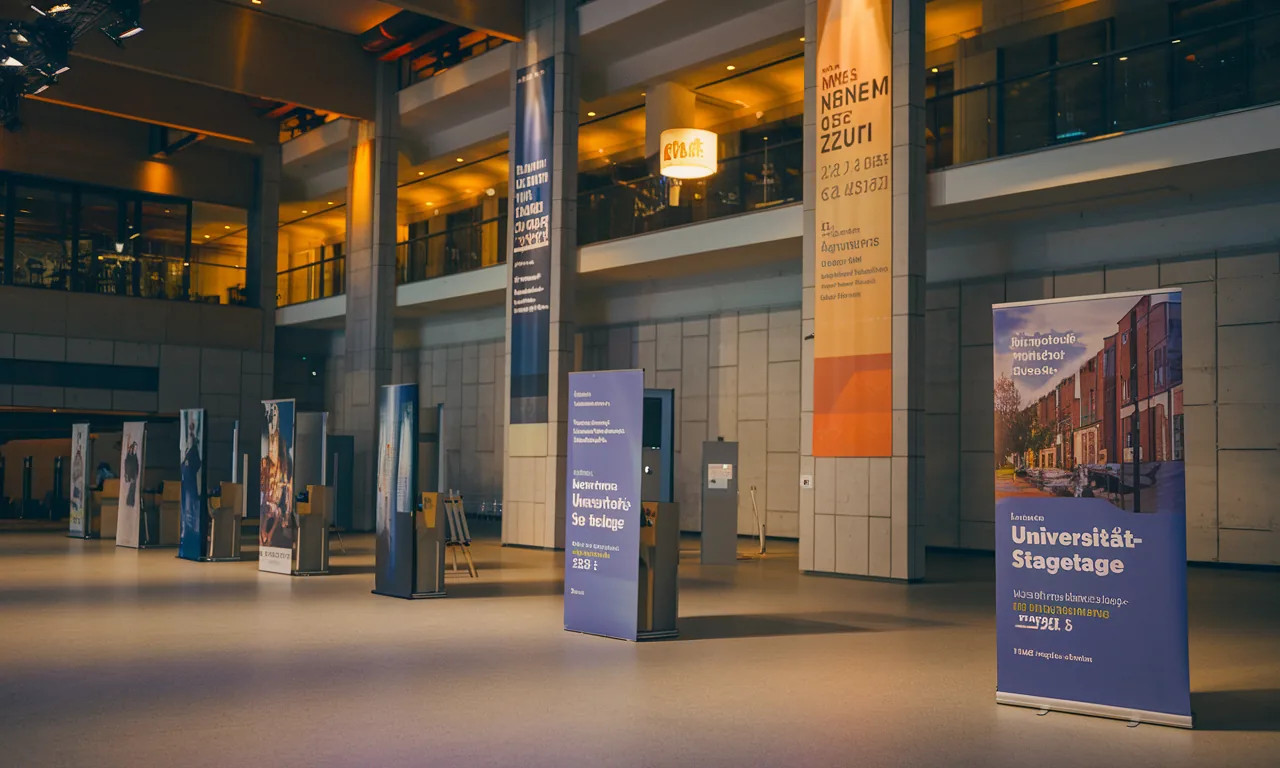
Public Lecture Series: “University Days” and Similar Evenings at the Congress Center
For adults, teenagers, and anyone who likes to listen and ask questions, public lecture series (often under the title “University Days”) are a central introduction to current research and future topics. The typical format is an early evening event with scientifically sound but generally understandable lectures—often followed by a Q&A session.
What You Can Expect in the Future
- Topics with everyday relevance: Digitalization, energy, environment, society, technological impact, working world, and regional innovation issues.
- Low entry barrier: No prior knowledge required; questions from the audience are explicitly part of the format.
- Easy to plan: The events are usually announced as a series (several evenings over a period), so you can specifically select individual dates.
If you want to come with school classes or teenagers, it is worth looking at the program description: Some evenings are particularly suitable as a supplement to lessons (e.g. computer science/technology, politics & society, natural sciences).
Campus Events in the Evening: Hands-on Stations, Robotics & “Science to Touch”
In addition to lectures, Amberg regularly hosts campus-related evening events where hands-on activities are the focus. These events are particularly attractive for families because they are organized in stations: children can independently move from one offering to another, while adults gain insights into laboratories, projects, and fields of study.
Typical Hands-on Activities (depending on year and program)
- Robotics & Automation: Demonstrators such as robotic arms or mobile robotic systems show how sensors, control, and programming interact.
- AI explained understandably: Interactive examples make visible what “artificial intelligence” means in practice (e.g. pattern recognition, decision logic, limits and sources of error).
- Maker-oriented stations: Prototyping, 3D models, visualization, or insights into digital manufacturing—often as “hands-on” short tasks.
- Energy & Sustainability to experience: Activities that make energy conversion and efficiency tangible (e.g. energy generated by muscle power) and initiate conversations about climate protection in everyday life.
- Library & Learning as an experience: Puzzle or experience formats that playfully combine research, reading, and information literacy.
Helpful for parents: At hands-on campus evenings, the pace is often faster than at classic lectures. Therefore, plan breaks (drinks, short distances, meeting points) and clarify in advance whether individual stations have age limits or participation requirements.
Children's University & “Young University”: Offers Especially for Children (and Often Also Schools)
For children in elementary school and early teenage years, there are programs in Amberg that consistently convey science in a child-friendly way. Characteristic is the mix of short input parts (storytelling, pictures, live demo) and active hands-on activities. The goal: strengthen curiosity, reduce inhibitions, and show how research is created.
Formats Frequently Found in Upcoming Programs
- Children's University Lectures: Lectures adapted to children's attention spans and that take typical “Why?” questions seriously.
- Workshops & Laboratory Insights: Small groups, clear tasks, supervised experimenting—ideal for sustainable learning experiences.
- Action Days (often with registration): Bundled program days with several stations, sometimes in cooperation with schools or regional partners.
- Digital Additions: Depending on the year group, online elements (e.g. explanatory formats, accompanying materials) can support preparation or follow-up.
Why This is Especially Valuable for Families and Schools
In contrast to classic lessons, intrinsic motivation is the focus of children's university formats: children are allowed to ask questions, do things “wrong,” and try again. Especially in technology, robotics, and AI, this strengthens important basic skills: logical thinking, model concepts, troubleshooting, teamwork, and a realistic picture of what technology can—and cannot—do.
Science Days & Thematic Major Events: What They Will Mean for Amberg in the Future
In addition to series and family formats, larger science and future events are also announced in Amberg, aimed at a broad public, specialist audiences, or regional networks. Such events combine lectures, panels, or exhibitions and often set a main theme (e.g. change, innovation, energy, digitalization).
The benefit for visitors is clear: they receive several perspectives (science, practice, education, sometimes business) in one place—and can specifically choose whether they want to understand basics, see new applications, or talk to experts.
Planning Aid: How to Reliably Find and Use Upcoming Dates
- Use official program pages as the “single source of truth”: Check the respective event page shortly before the date (changes in room, time, or registration are possible).
- Pay attention to registration and capacities: Children's and workshop formats often have limited places; pre-registration may be required.
- Take age recommendations seriously: Especially for experiments or laboratory visits, age and safety rules are part of the planning.
- Prepare questions: For children, a small “question list” (3–5 points) helps so they don't get lost in the hustle and bustle. For adults, it's worth making a note of terms they want clarified in the lecture.
- Check accessibility & arrival in advance: Many venues provide information on access, parking, and public transport; this saves stress in the evening.